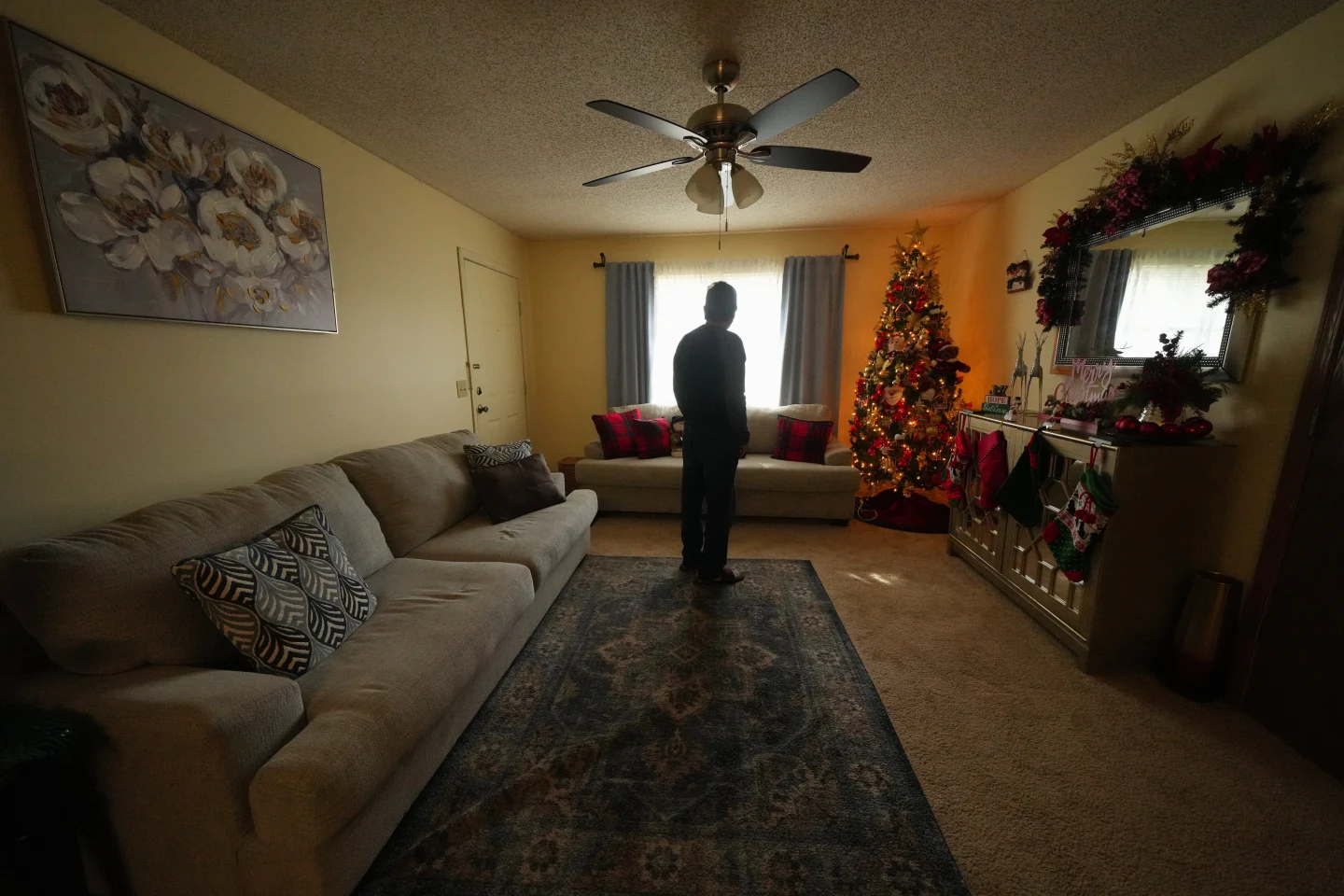
ROGERS, Ark. (Civitas) — Cristina Osornio, a legal permanent resident of the United States, was living a challenging situation after her husband was deported, and they lost their home in Arkansas. Recently, she became another victim in the escalating immigration enforcement scenario following a routine traffic stop that turned into a lengthy jail stay under ICE surveillance.
Following her arrest, Osornio was held at Benton County Jail for four days despite having legal residence status, highlighting the drastic implications of law enforcement cooperating extensively with ICE in this Republican-leaning region. Recent statistics show that Benton County became a significant area for ICE arrests, raising tensions and fears among the immigrant community, where families are anxiously navigating their legal statuses amidst an atmosphere of uncertainty.
In the wake of her husband’s deportation, Osornio describes her current struggles balancing her children’s needs and her work. She expressed fears about the situation reflecting larger systemic issues, saying: “Nobody is safe at this point because they are targeting you because of your skin color.”
The partnership between local law enforcement and ICE has seen a noticeable spike in arrests, particularly after the administration shifts toward tougher immigration policies. Local reports suggest that minor traffic violations have become gateways for deportations, splitting families and spreading anxiety among ethnic minority communities.
According to legal experts and community advocates, policing practices resulting in heightened scrutiny of Hispanic residents lead to a pervasive feeling of being unsafe. As Osornio continues to grapple with her predicament, many in her community are left wondering about their futures in a climate where law enforcement collaboration with ICE is becoming the norm rather than the exception.
Amidst these tensions, many families in the community have either altered their routines or chosen to stay within their homes, avoiding situations that may expose them to legal scrutiny. Consequently, the environment cultivates fear, limiting access to essential services and hindering community integration.