In brief
The weekend of protest on 17–18 October saw half a million demonstrators across France, many of whom were met by tear‑gas and water‑cannon from riot police. A wave of masked vandals and looters vandalised around 1,500 shops, while interior ministry officials reported 1,000 police injuries. President Emmanuel Macron delivered a televised appeal for calm, promising punishment for the rioters but offering little detail on concrete measures. Prime Minister Sébastien Lecornu is now heading a crisis cabinet that will examine how to restore safety, compensate damaged businesses and engage with student and teacher groups ahead of a wave of new protests set for early November. Analysts fear the unrest reflects deeper political and economic tensions as France approaches its presidential election.
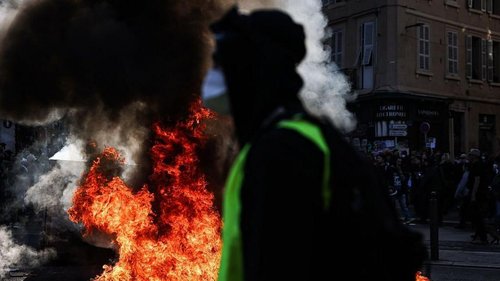
A nationwide wave of protest on 17 Oct. saw more than half a million people rally against rising living costs and cutbacks in public services. The demonstrations, which began in a largely peaceful tone, soon escalated when masked, black‑clad activists opened in on crowds, vandalising shops and streets.
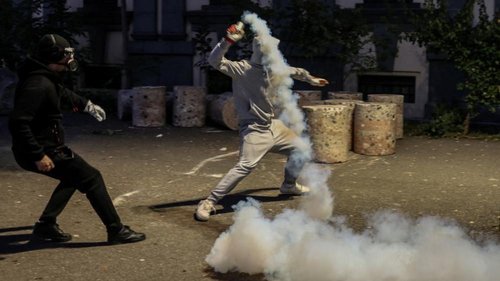
Video footage shows riot police deploying tear‑gas and water‑cannon, while officers are seen striking with batons. The interior ministry said roughly 1,000 police officers were injured, seven of whom sustained serious injuries.
The violence left about 1,500 businesses looted, broken or torch‑blackened. Sellers and shopkeepers report their windows shattered and their goods stolen. Damage appeared across Paris, Lyon, Marseille, Bordeaux and smaller towns, striking a chord of fear in the French public.
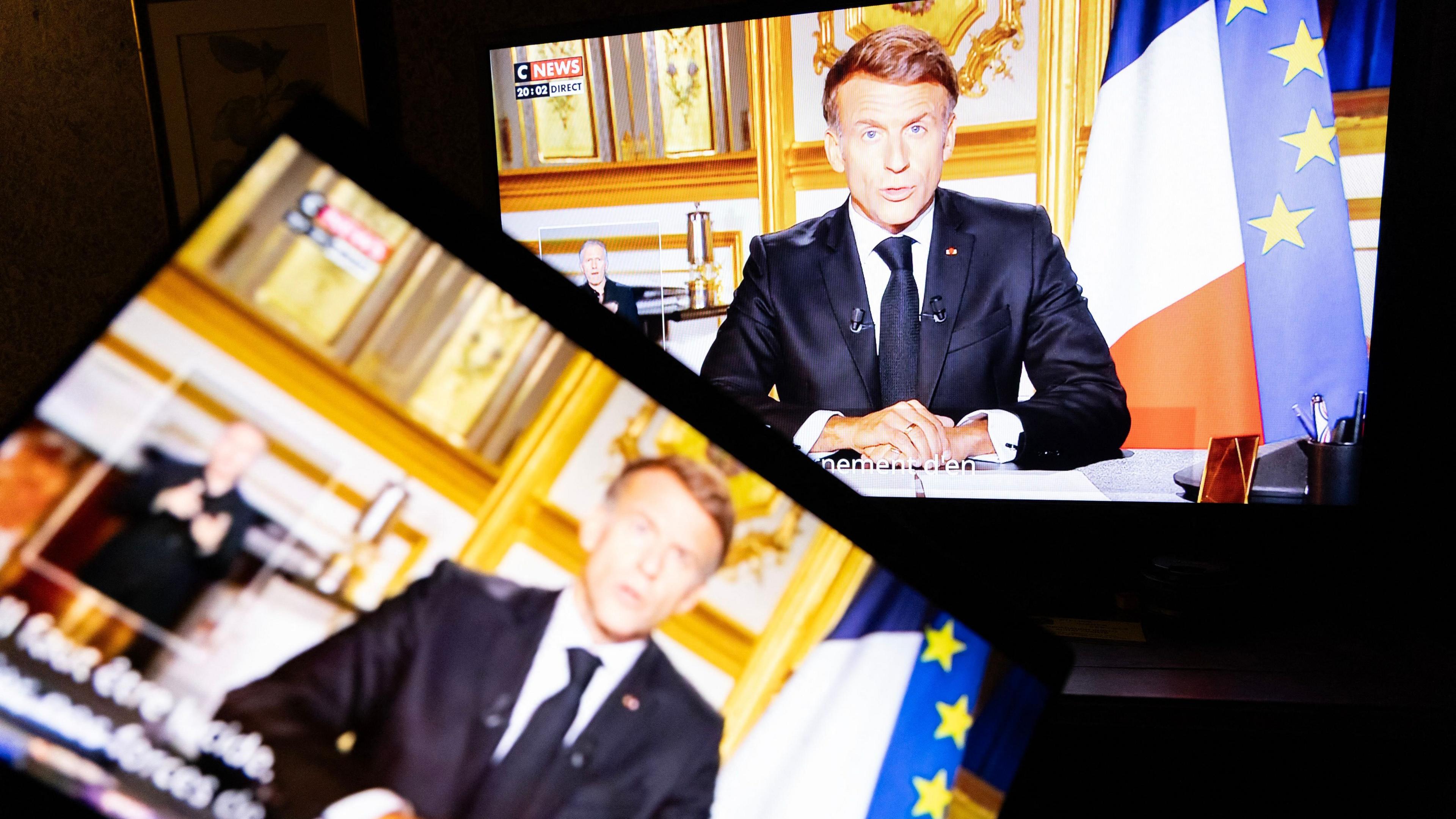
On Sunday morning, President Emmanuel Macron addressed the nation from his office, calling for calm and unity. He promised to punish those responsible but offered no specific plan, a decision criticised on social media and in parliament as lacking actionable detail.
Prime Minister Sébastien Lecornu convened a crisis cabinet on Monday to examine the scale of the unrest and the appropriate emergency measures. Ministers debated whether a temporary curfew, or even a broader state of emergency, should be introduced to restore order.
The situation escalates further as the French parliament remains grid‑locked. Political parties ranging from the far‑left to the far‑right are still jockeying for advantage in a presidential race set for next June.
In the midst of the turmoil, a group of teachers, students and union leaders spearheaded by Sophie Binet have called on the government to engage in dialogue on education and cost‑of‑living concerns. These demands have echoed across a country many feel is on the brink of economic collapse, making any austerity cuts a potential trigger for further unrest.
Within two weeks, a coalition of trade unions and the long‑time “yellow‑jackets” movement have announced a large protest planned for early November, heightening fears of continued riots and calling for decisive, transparent action from France’s leaders.