
From Journalist to Monarch
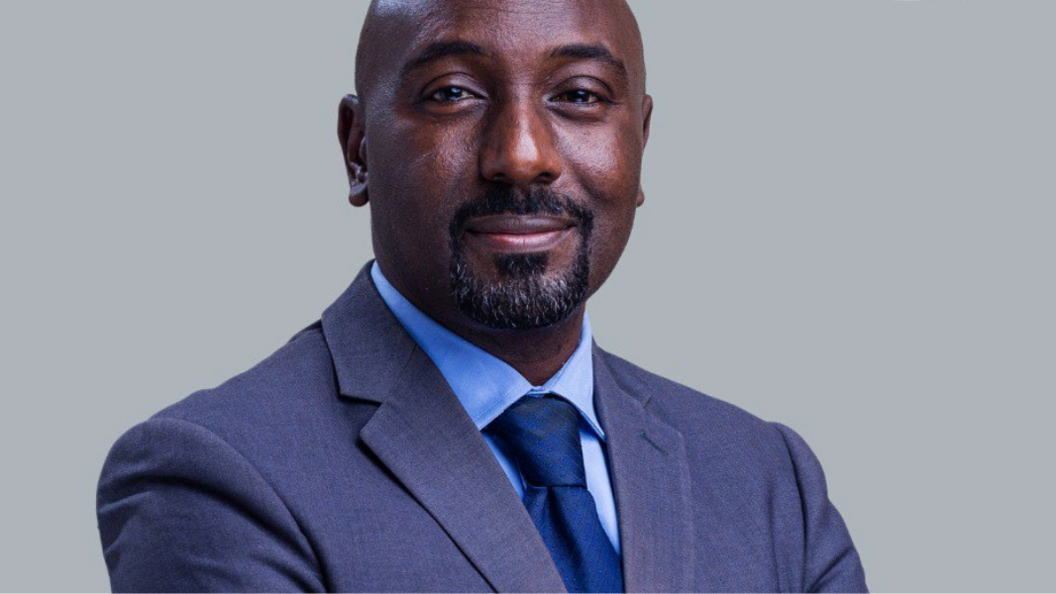
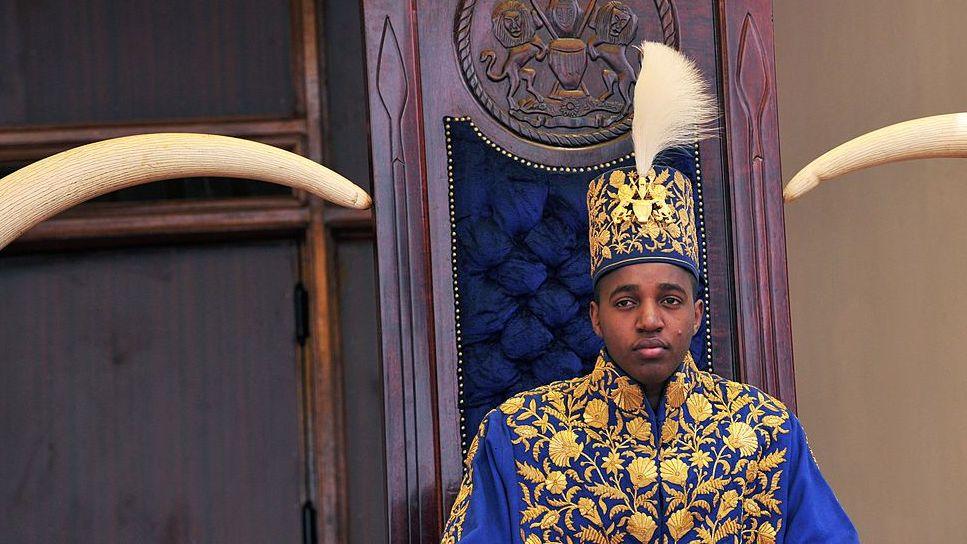
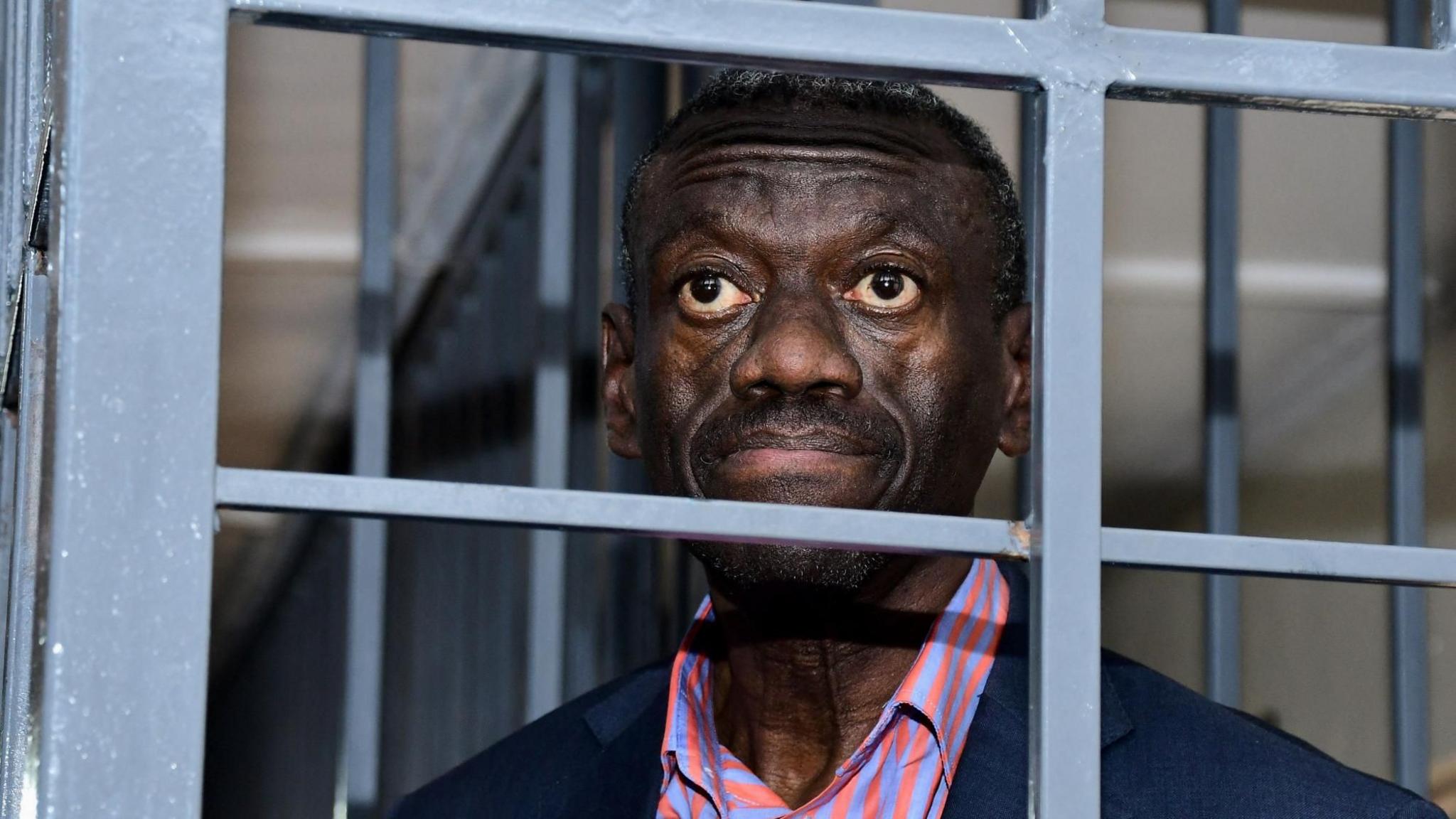
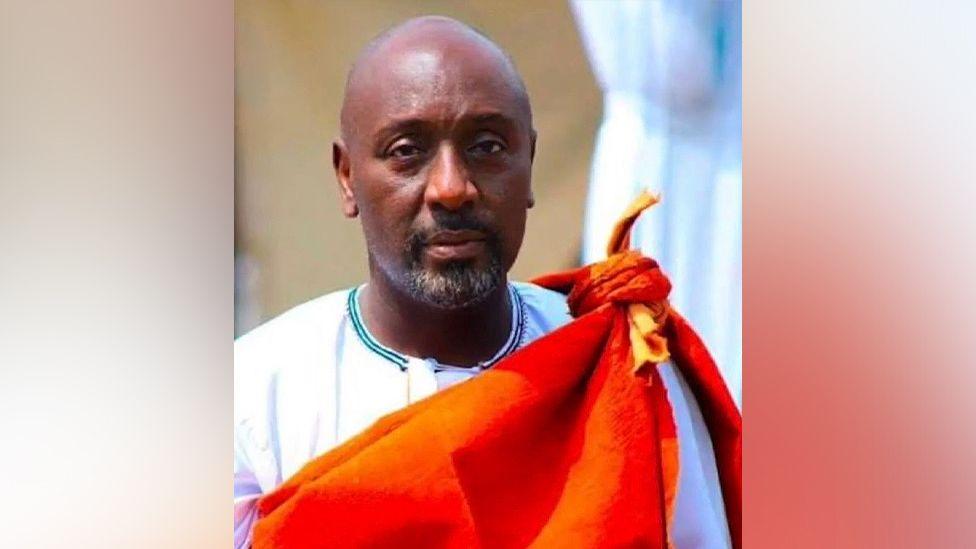
Edward Rukidi Kijanangoma, 56, has been a household name across Uganda for more than two decades as a seasoned broadcaster and editor at the state BBC‑style broadcaster. His voice once guided audiences through major national events; today it guides a new chapter as he steps onto the throne of Tooro, one of the country’s four historic kingdoms.
The Succession Row
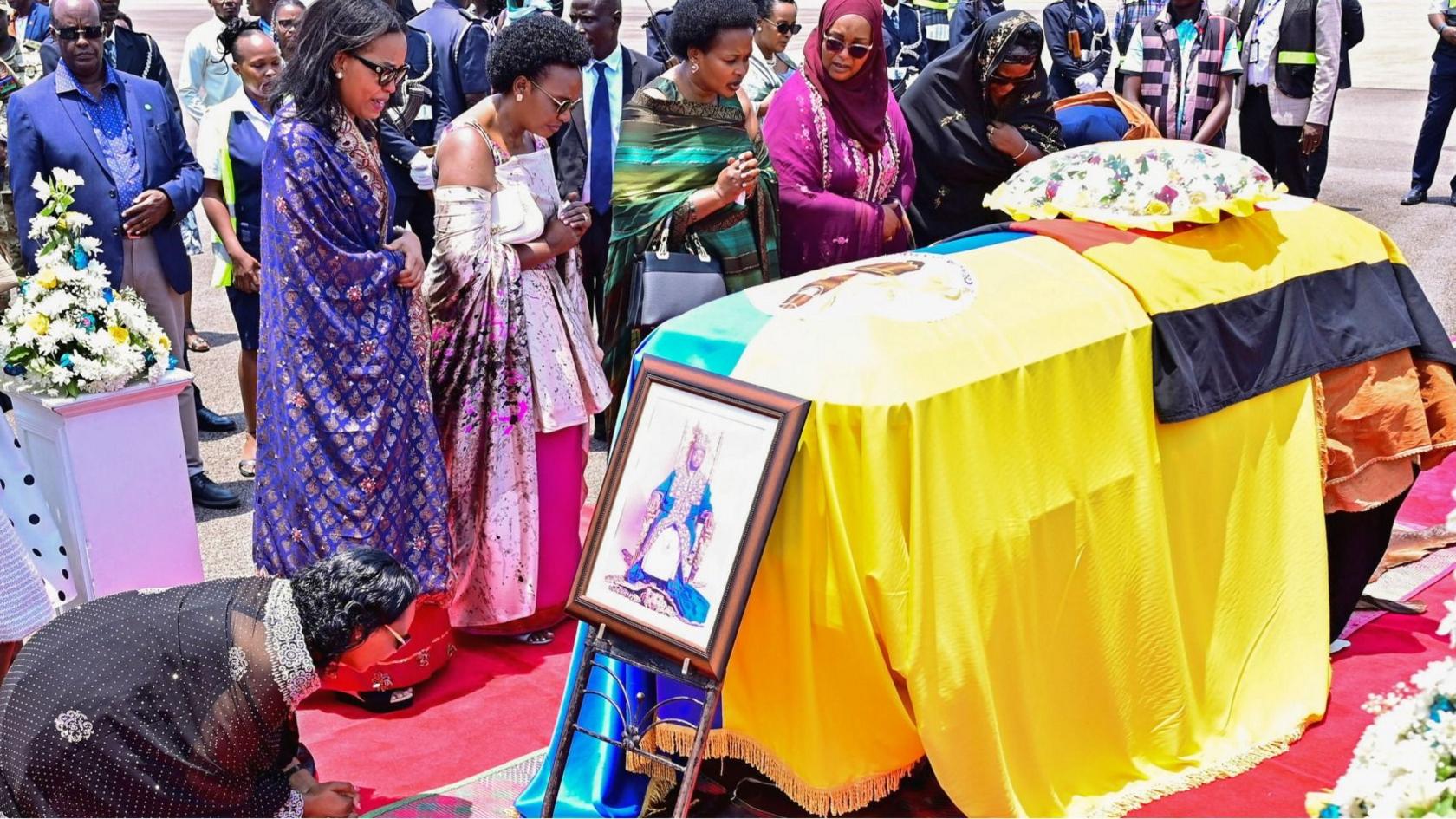
For 31 years Tooro was ruled by King Oyo, who ascended at the age of three and died last month from cancer at 34. The new crown, however, was not inherited by a publicly acknowledged son, as the late king’s will had suggested, but was awarded to Kijanangoma by a 21‑member cloture of the Babiito clan. Queen Mother Best Kemigisa and a number of relatives have challenged the decision, arguing that the will must be respected and that a second king could not be crowned until the rightful heir was identified.
The New King’s Intent
During a televised address, Kijanangoma promised that the palace would be open to the people, pledging to harness his two‑decade experience in media to bring progress to the community. He said, “Their title is given to me, but I cannot work alone; I must work with you.” The coronation, scheduled for a day of midnight rites, 4 km walk, mock fight, and blessing, will be attended by President Yoweri Museveni and his son, the army chief Muhoozi Kainerugaba.
Broader Implications
While Uganda’s traditional kings currently wield no formal political power, their cultural influence remains powerful. The restoration of kingdoms in the 1990s, intended to promote cultural pride and national unity, is also seen by some as a means to secure political loyalty. The succession dispute has reignited debate over the role of customary law in modern governance.