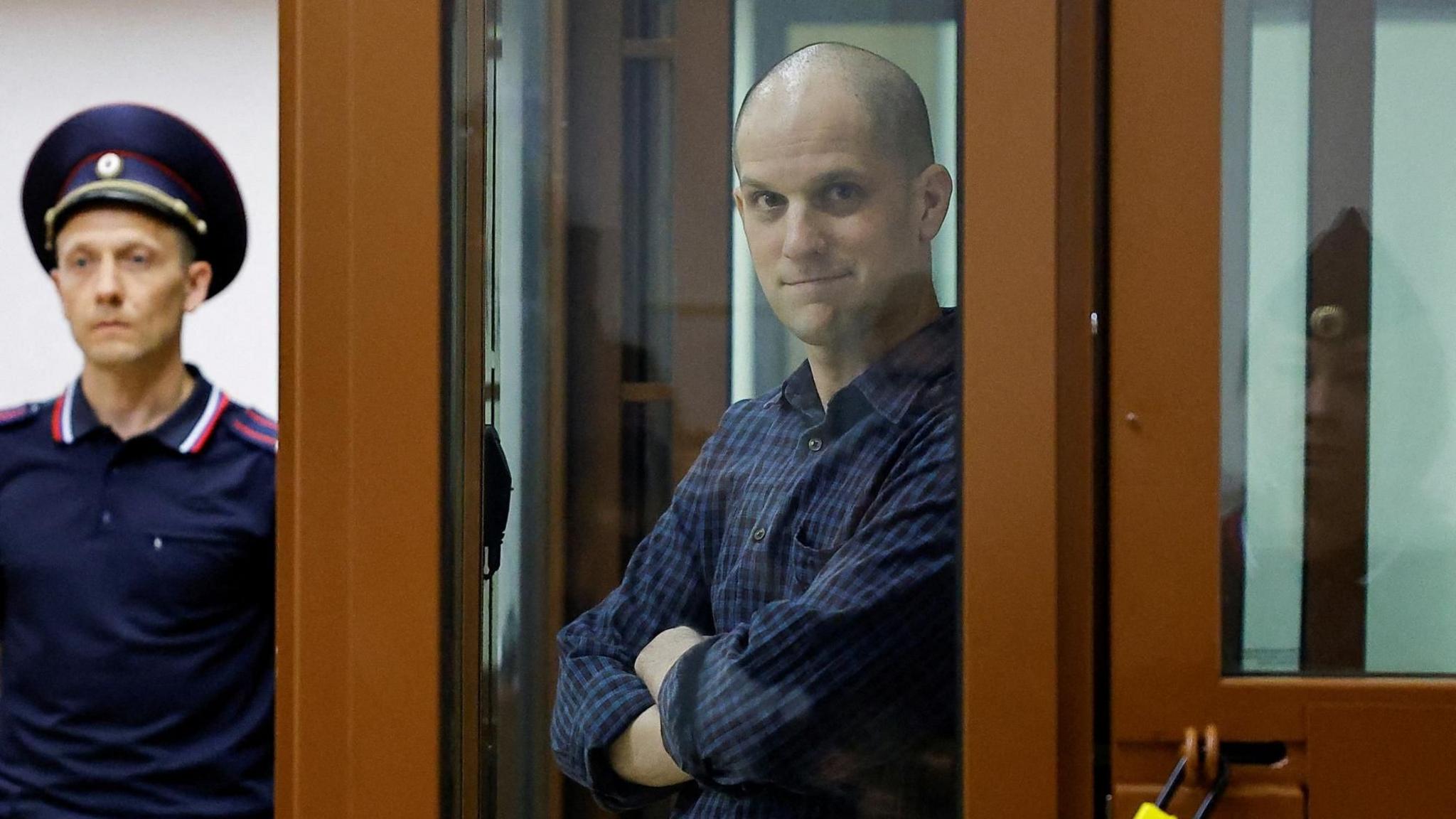
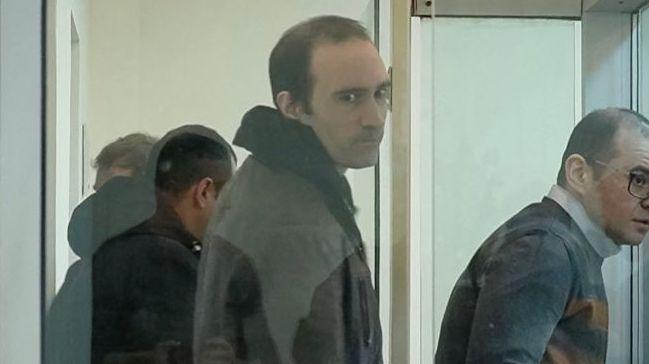
On the BBC’s Today programme, U.S. journalist Evan Gershkovich tells a harrowing story of his arrest and 16‑month detention in Russia—a chapter he says began with a carefully set trap.
“I realised I had been “lured into a trap” when masked men surrounded me at a restaurant in March 2023,” he says, lighting a stark picture of how a routine evening turned into an unexpected surrender.
After being jailed, Gershkovich was tried on espionage charges and handed a 16‑year sentence—an outcome his and the Wall Street Journal contend was entirely unfounded. Yet the Kremlin never wavered in its conviction.
In 2024, a rare diplomatic exchange saw the reporter released, with the United States trading a Russian spy for his freedom. President Joe Biden, at the time, had repeatedly stated the return of Gershkovich was the governing administration’s highest priority.
The episode, witnessed by media around the world, sharpens the conversation about the risks that journalists face in fraught geopolitical landscapes and the extraordinary political negotiations that can end such crises.