Front‑line Police Fight Ecuador’s Drug War
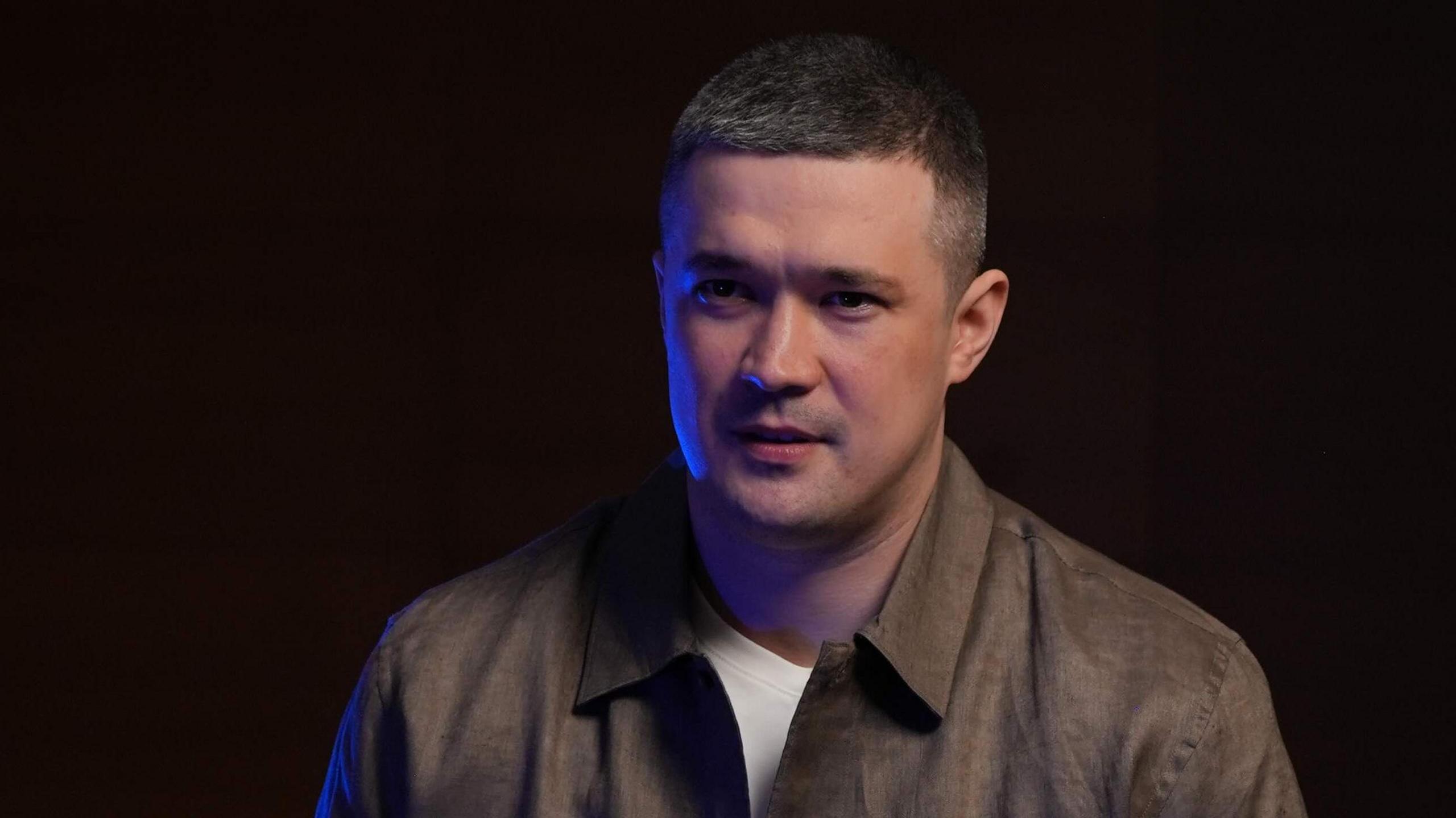
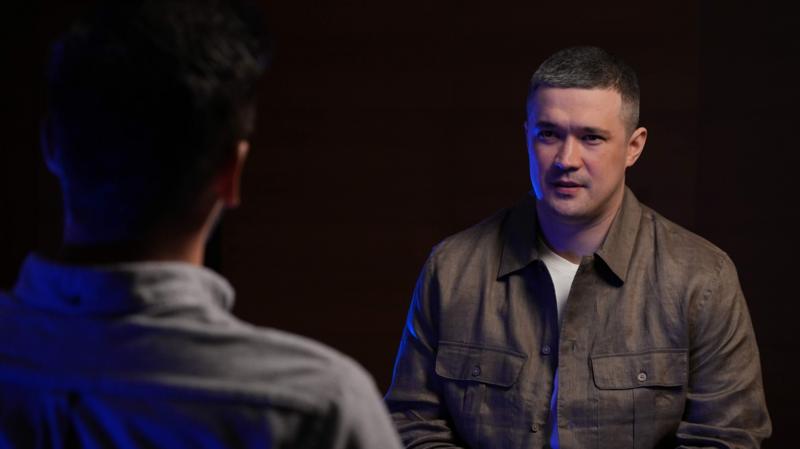
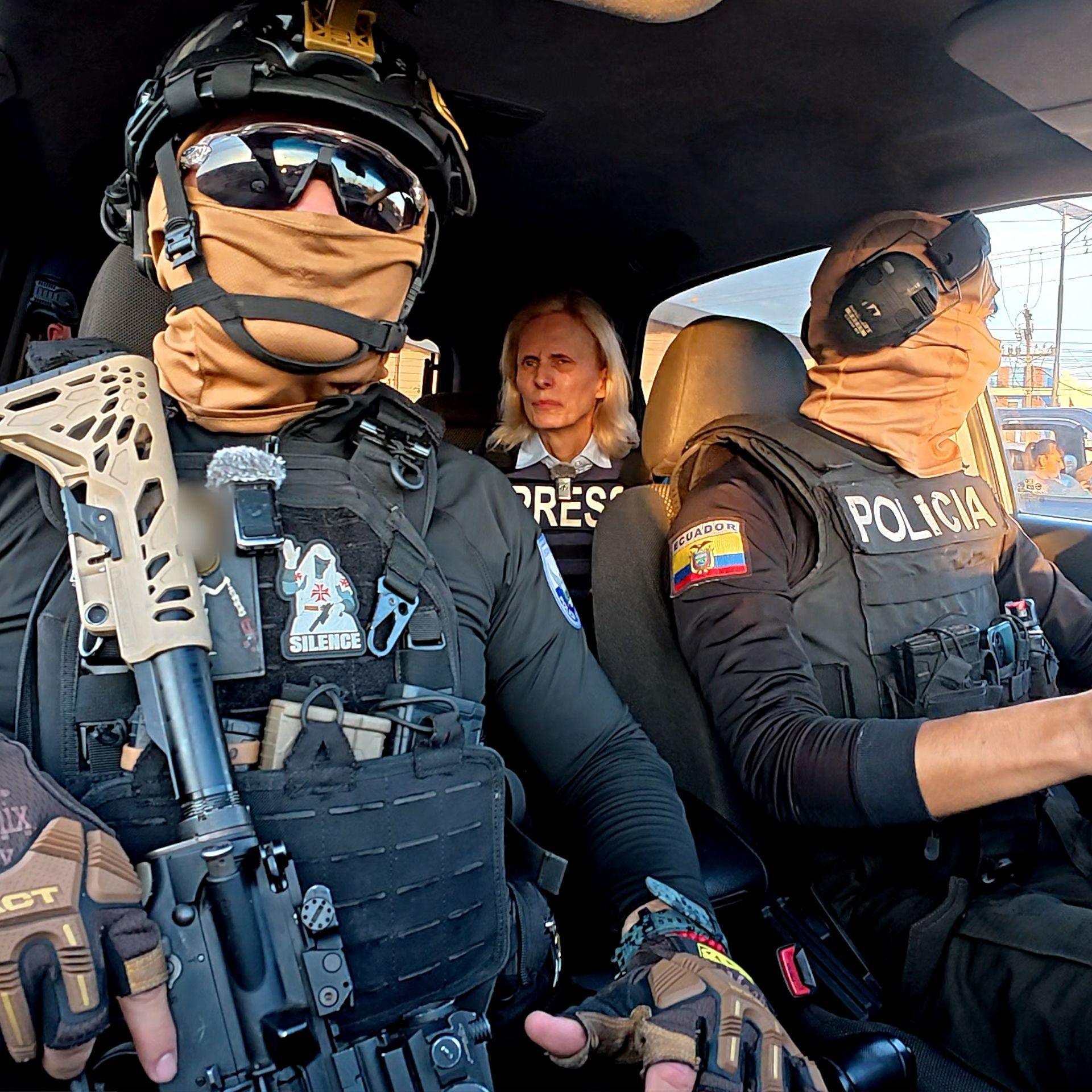
In the Ecuadorian city of Durán, the drug trade is as violent as it is profitable. Police Captain Jean Carlos Bustamante, a former special‑forces officer, stands at the forefront of the struggle, assembling a hand‑picked squad to confront rival gangs, guns and a corrupt state that often gives them safe haven.
“There are bad people inside our unit and inside politics,” Bustamante tells us. “They are paid by the gangs.” A handful of trusted officers in sturdy body armour are his only allies.
 />
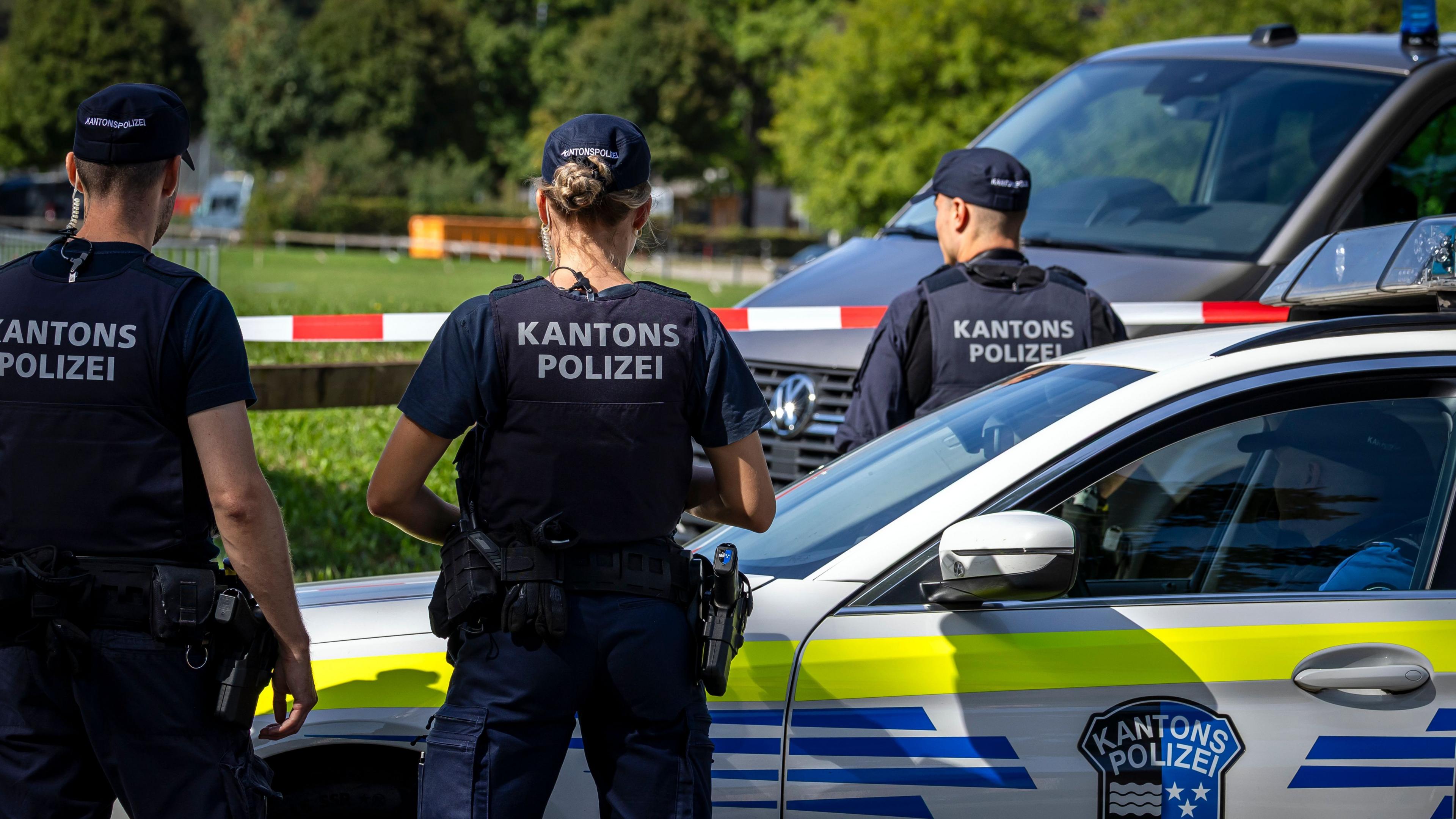
/>They push into a neighbourhood ruled by Los Aguilas, a gang that grips the area with metal‑grilled windows and terror. The captain’s mission is simple: seize weapons, arrest dealers and prove that the state can regain control.
“When a criminal is the bad guy, you aim so hard to punish him.” – Captain Bustamante
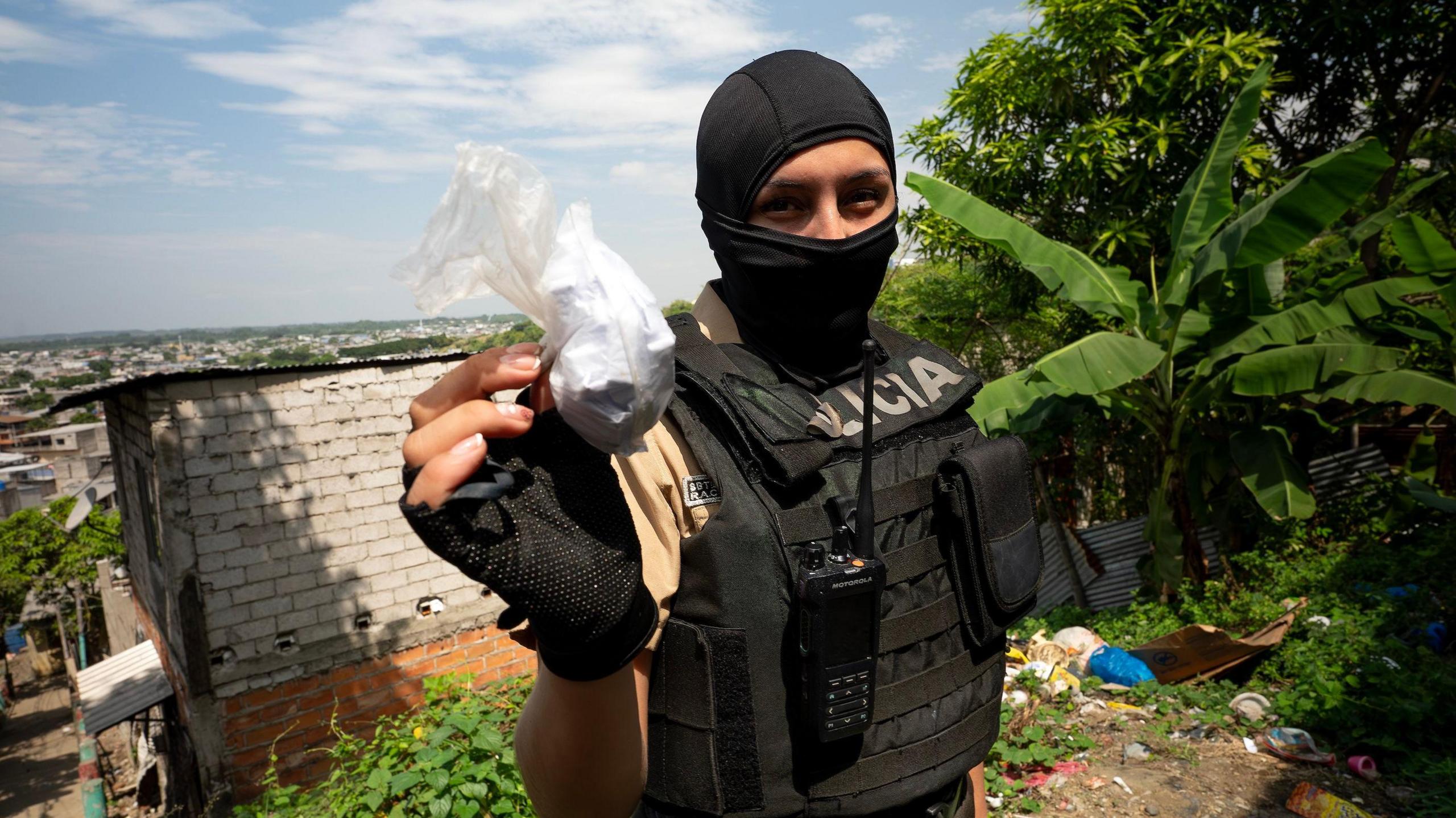
During a raid, the team breaks through a dripped‑facing door with a battering ram. Inside they discover two handguns—one rusty, one ready—and a small stash of assault‑rifle ammunition.
“It means we’re safe,” Bustamante says, “and it’s two guns less for the gangs.” He carries the grim reality: gangs have far more money and firearms than the police, and many arrests only lead to re‑entrenchment.
The captain is no stranger to loss. He has lost three close associates in this fight and shares stories of how a watchful personal life can be a fragile safety net in Durán.
 />
/>Officers openly admit that many gang members retreat from police raids, crash down on neighbours and leave a trail of violence. The system’s corruption allows gang money to buy judges, politicians and entire districts. “We imprison them and they get out again,” concedes a deputy commander from Durán police.
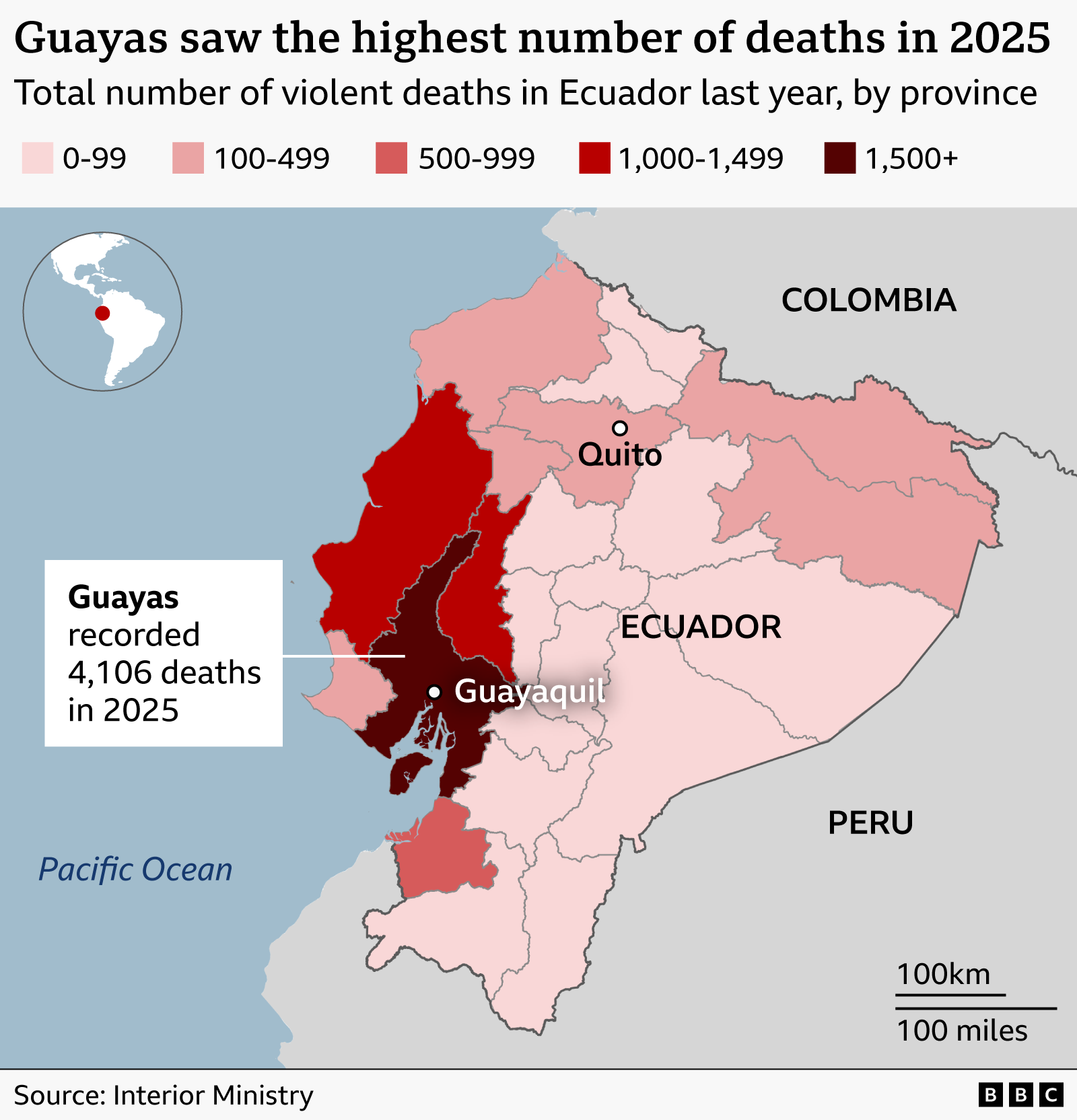
Despite these challenges, the city has seen signs of progress. Streets no longer feel deserted after 19:00, and beheadings have become less common. Police claim a 50‑per‑cent drop in shootings in the first half of the year.
 />
/>Across a town a short drive from Durán, a gang boss—who keeps his name private—tells reporters he has four police officers on his payroll, paid $1,500 to $2,000 a month for silence.
In the courtyard of a narrow house, a 17‑year‑old gang member loots weapons and keeps his promises, a stark reminder that teens can be recruited into violence by age twelve.
When a gang re‑emerges, they flee, or they shoot. One night, a body lying on a motorbike was found next to flashing police lights. Resounding realities of gang retaliation continue to stain the neighbourhood.
Witnesses speak in hushed tones, describing how bullets can catch anyone even outside a house. “The streets feel dangerous; no one knows who will shoot next.”
For victims, the president’s crackdown feels impotent. “Criminals are like ghosts,” a witness says. “They pop up wherever they want.”
Even in the bleakest moments, Captain Bustamante remains resolute: “It’s my work. I believe we can win this war. We have to do it.”
This article was written by the Civitas team. The story is brought to you by the collaborative, crowd‑funded journalism that empowers everyday citizens to report on the front lines of democracy.