Front‑line Turmoil: The Lives of Taiz Under Houthi Siege
I drove along a dusty road in southwest Yemen toward the city of Taiz, where the smoke of war hangs thicker than the dust that rises in the wind.
The air buzzed as a drone loomed overhead; the sound grew louder until we ducked behind bushes, only to later hear the burst marks of shellfire transform the silence into a drumbeat of destruction.
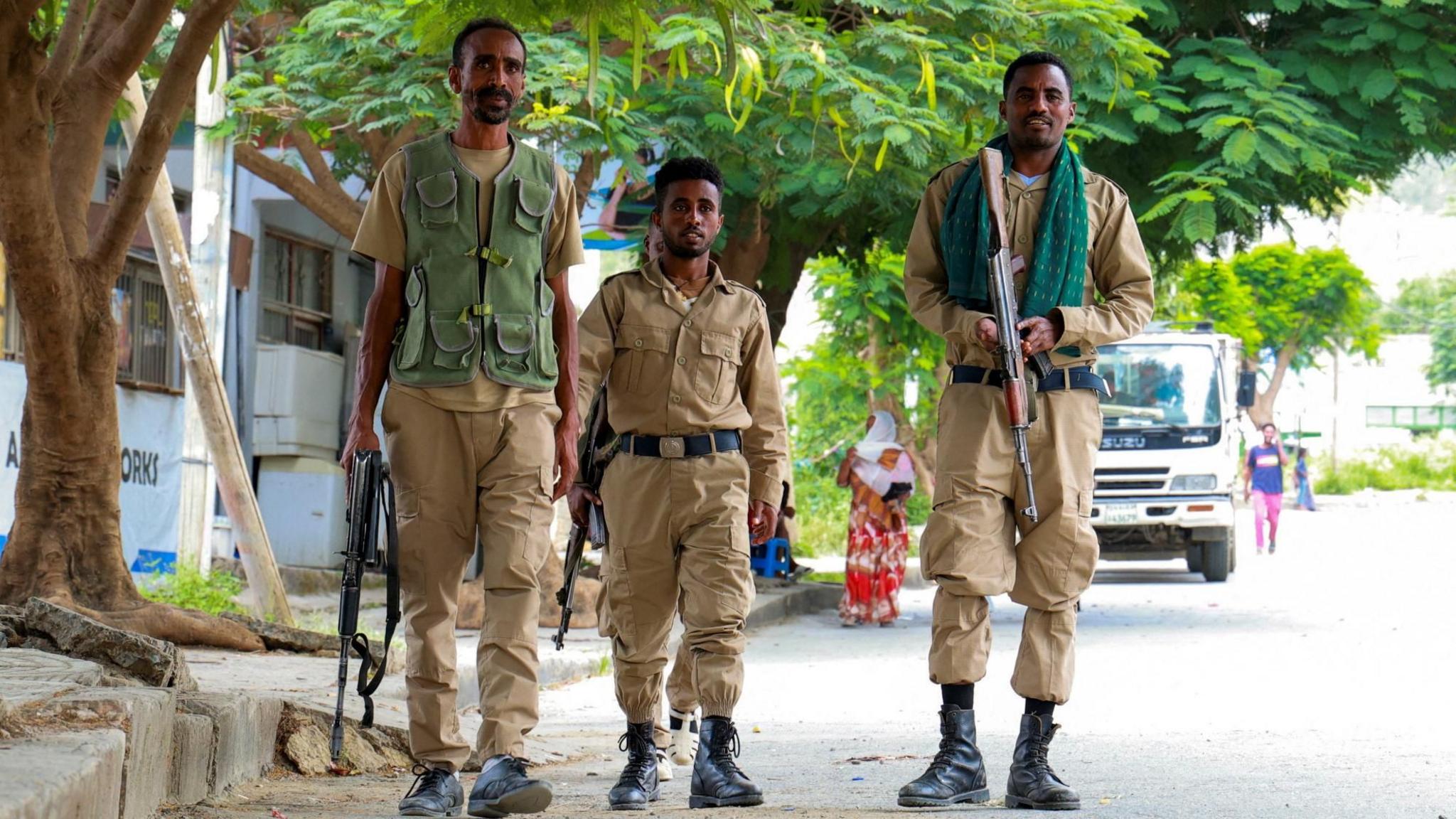
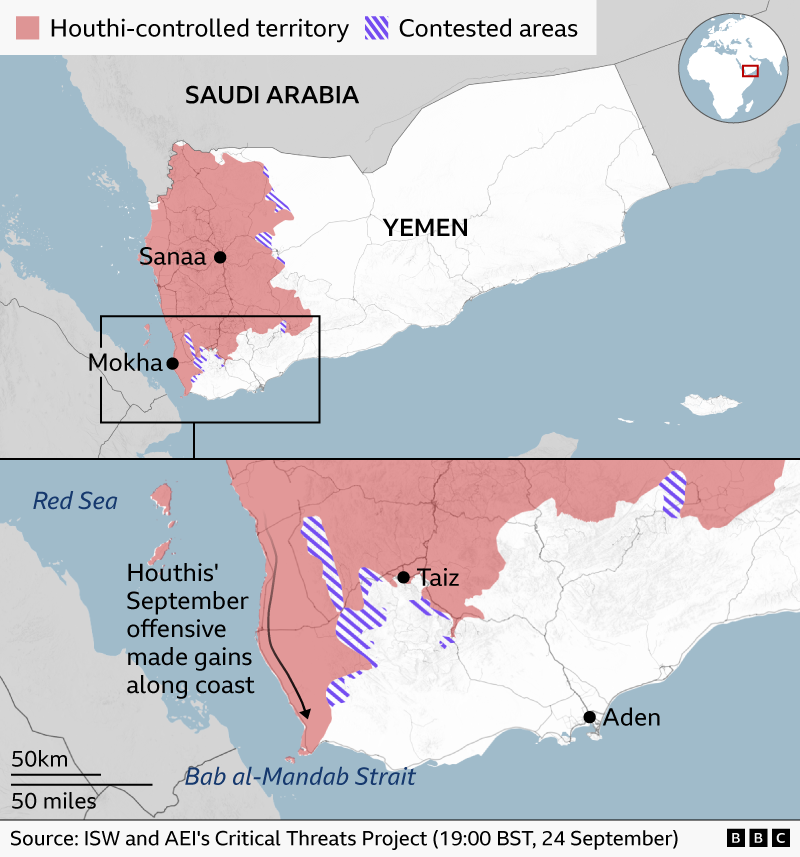
The precise edge of the front line is a blur in the hills; soldiers of the Saudi‑backed government push to hold the city while Houthi rebels press from the south.
On the slopes, many houses stand empty, their occupants fled, but when a mortar lands there, the shock ripples through the quiet, a reminder that the war moves as fast as a drop of rain.
By the river, goat herders and their families have followed the same quiet rhythm that governs the militias, with only the bleating of livestock punctuating the day, interrupted only by artillery.
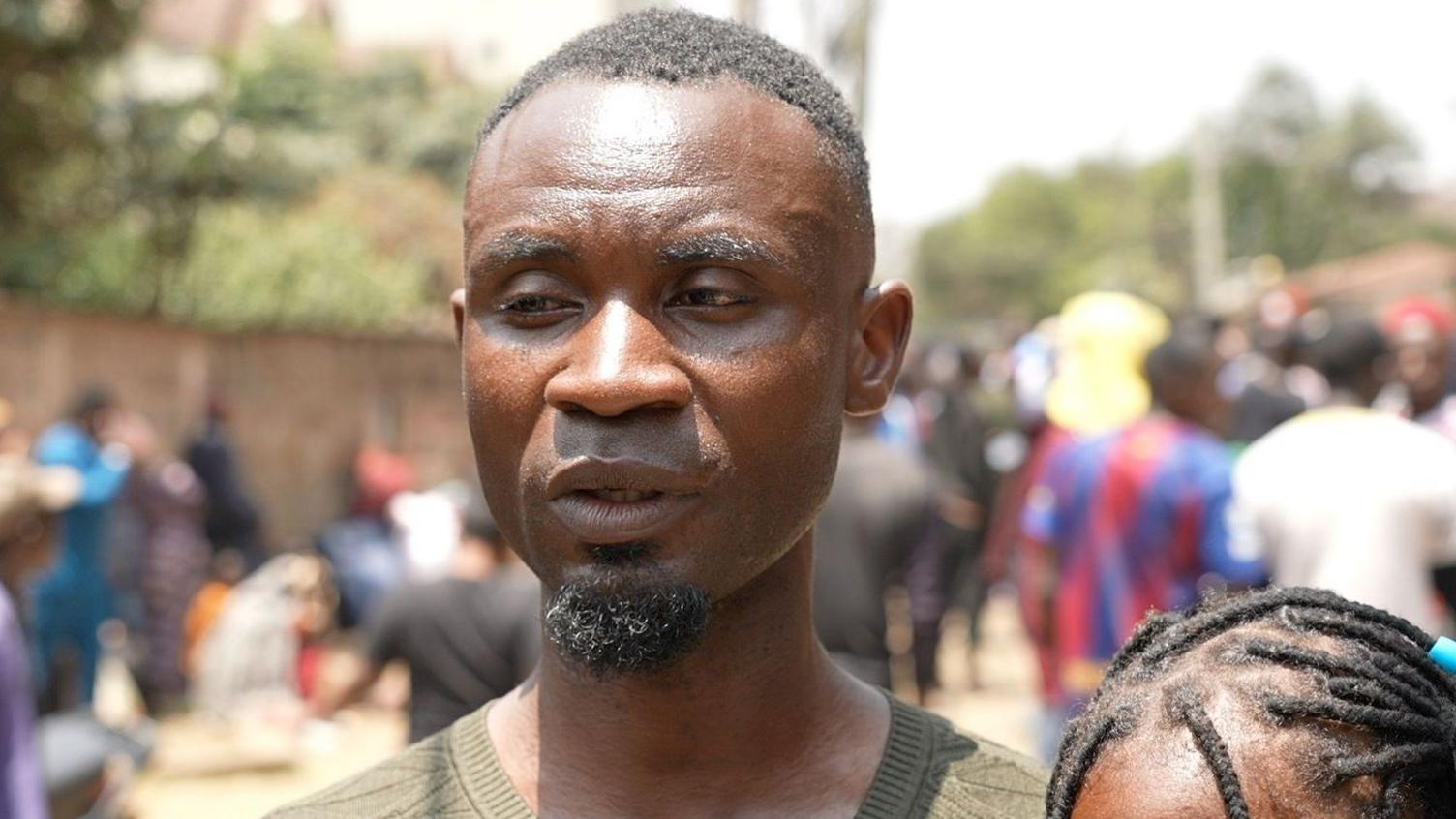
A simple man named Ali shares that two mortar blasts landed near his home, one mile from the front; he sits among his goats and lists the lives lost, yet does not seek refuge farther away.
A six‑year‑old girl suffered when a bomb fell close to her; her head is bandaged, her future uncertain, but she and her family wait in the emergency ward, hoping for survival.
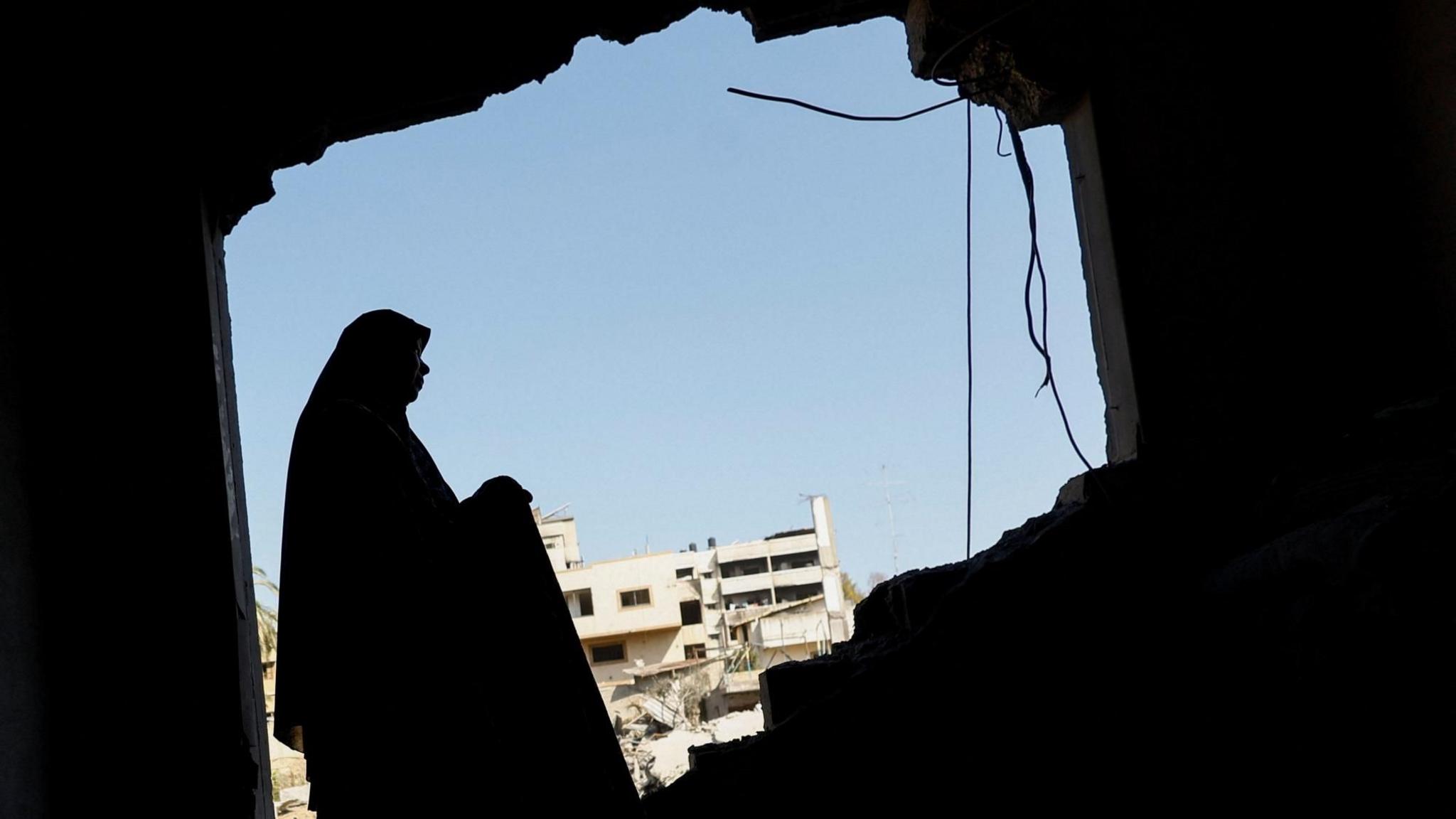
The displacement camp a few kilometres south of Taiz has grown restless; an old woman with a disability can barely move from one tent to another, while families trail behind a motorcycle, desperate for safe ground.
The international coalition led by Saudi Arabia continues to supply the Yemeni government; air strikes keep the port of Mokha under threat, and the conflict threatens the global oil corridor that passes near Bab al‑Mandab, raising worries for shipping lanes.
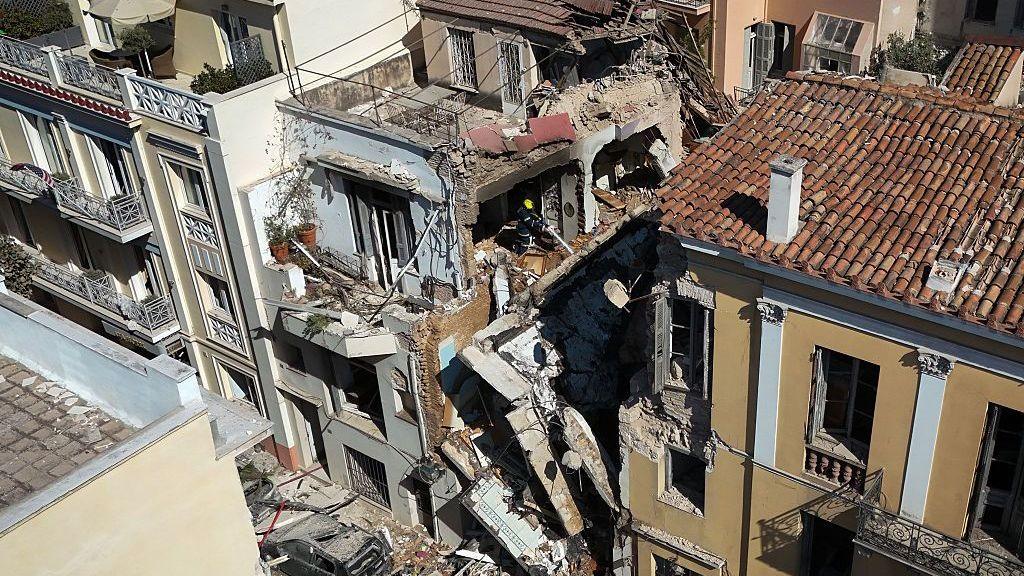
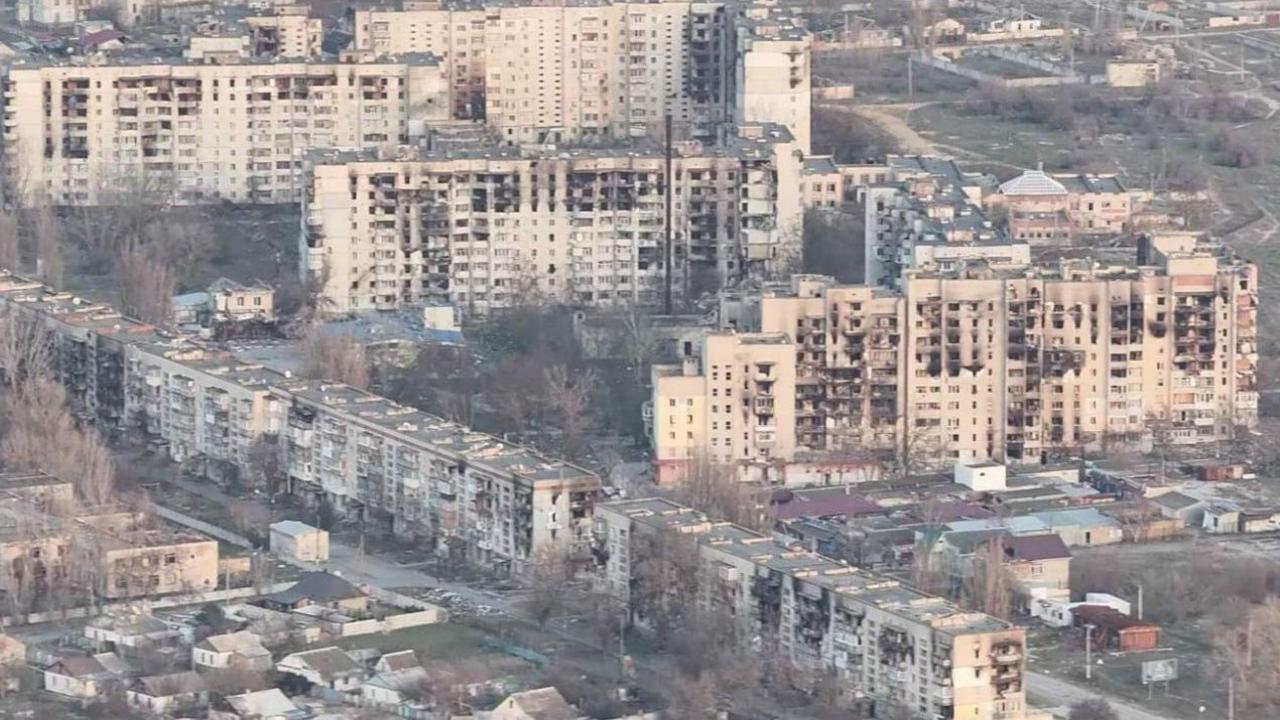
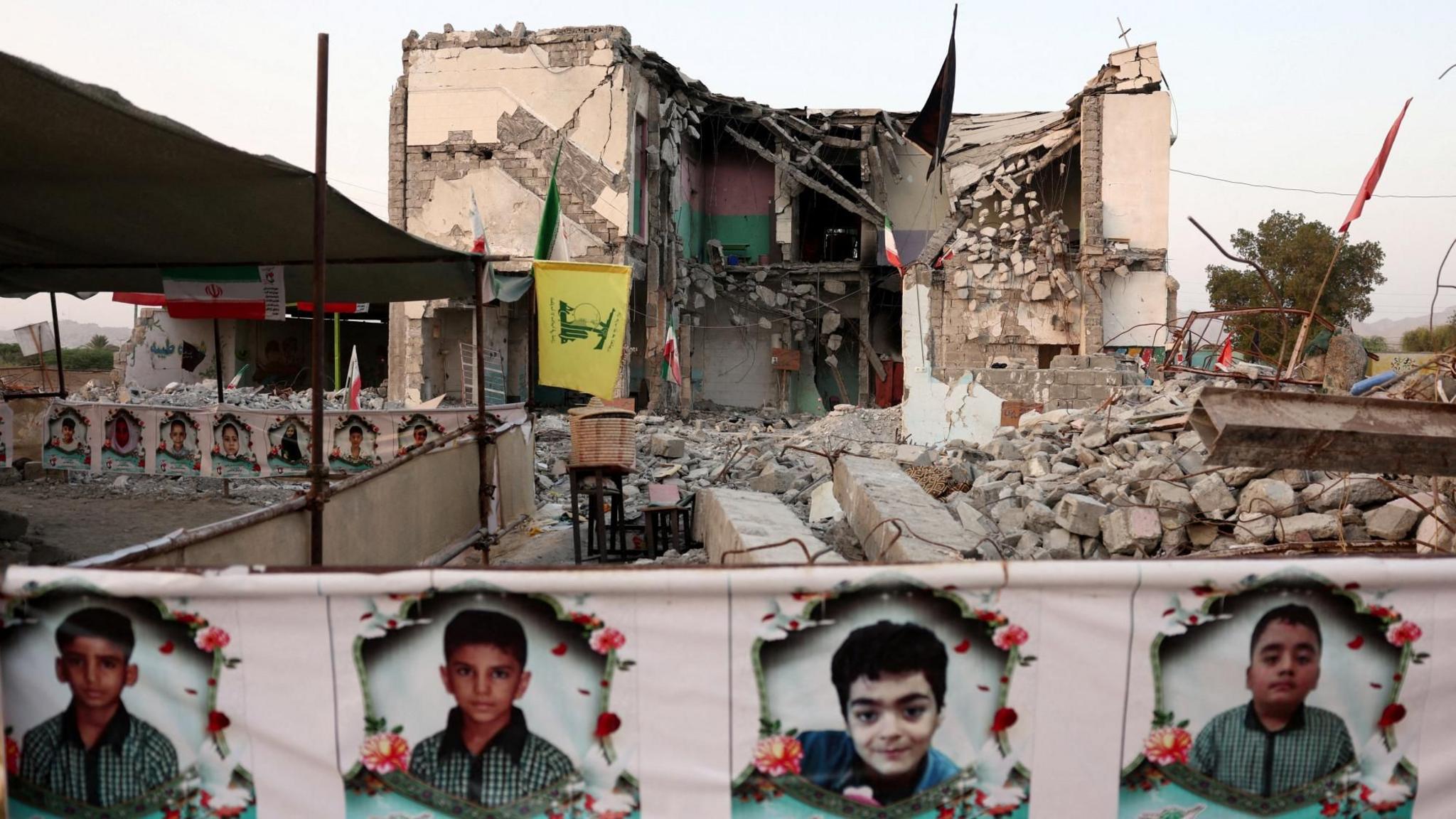
As the Houthis gain strength around Mokha, the front in Taiz widens, and each day the city’s living conditions are tested; civilian suffering grows, homes collapse, and soldiers hold their ground.