
In brief
Cyclone Chido has wreaked havoc in Mozambique, resulting in 94 fatalities, thousands of injuries, and significant damage to infrastructure, particularly in education and health sectors. Local leaders are mobilizing support amidst fears of heightened vulnerability due to climate change.
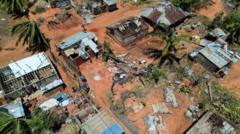
Cyclone Chido has left a profound impact on Mozambique, with local authorities reporting 94 fatalities since it made landfall last week. The National Institute of Risk and Disaster Management (INGD) has also indicated that over 768 people suffered injuries and more than 622,000 residents have been affected by the catastrophe. Chido, which struck on December 15, brought ferocious winds reaching up to 260 km/h (160 mph) and dumped an alarming 250mm of rain within the first 24 hours. Prior to its onslaught in Mozambique, the cyclone caused significant damage in Mayotte, an island in the French Indian Ocean, where it was classified as the worst storm in 90 years. The death toll in Mayotte currently stands at 35, with concerns that the final number might evolve as recovery efforts continue. In Mozambique, the cyclone has predominantly affected the northern provinces, including Cabo Delgado, Niassa, and Nampula—regions that frequently experience such storms. The fallout has severely impacted the education sector, with approximately 109,793 students affected and vital school infrastructure heavily damaged. The health system has not fared any better, with 52 sanitary units reported as destroyed, which jeopardizes essential health services in regions that already struggled with access to medical care.Local leaders, including Daniel Chapo, who heads the country’s ruling party, have announced that the government is mobilizing resources at all levels to aid the recovery effort. During a visit to the hardest-hit areas in Cabo Delgado on Sunday, Chapo emphasized collaboration with the INGD to support rebuilding efforts in Mecúfi, Nampula, Memba, and Niassa.As the cyclone's destruction exposed systemic vulnerabilities, experts have pointed out the exacerbating influence of climate change on extreme weather patterns. The UN's climate body, the IPCC, recognizes that human activity has contributed to increased precipitation levels linked to tropical storms like Chido. This disaster not only underscores the urgent need for resilient infrastructures but also raises critical discussions on climate change implications for future weather events.

