
In brief
Cuba is grappling with widespread power outages following Hurricane Rafael, which has left almost the entire nation in darkness. The president highlights ongoing recovery measures as residents deal with the aftermath of the storm.
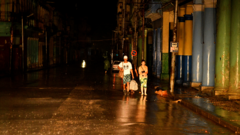
Following the devastation caused by Hurricane Rafael, which brought fierce winds and severe flooding, Cuba is now in the process of restoring power to its citizens. The recent hurricane inflicted a nationwide blackout, marking the second such incident in just weeks. President Miguel Díaz-Canel reported that over 70,000 people were evacuated from their homes prior to the storm, which made landfall with warnings of storm surges and potential mudslides but, thankfully, resulted in no fatalities.The hurricane's impact was particularly severe in the provinces of Artemisa, Mayabeque, and the capital, Havana. Díaz-Canel pledged that "every step from this point forward is geared towards recovery," emphasizing a collective effort to rebuild. The bad weather caused extensive flooding and property damage, leading to most of Cuba's estimated 10 million residents still being without electricity.As the storm subsided, residents in Havana began clearing debris and assessing the damage. Streets were littered with fallen electricity pylons and tree branches, while others struggled to find ways to cook or stay warm without power. One local resident, Elias Perez, shared his experience of needing to "improvise," highlighting that his family resorted to using coal for cooking.This calamity follows a previous nationwide blackout that lasted four days due to the aging energy infrastructure in Cuba, which coincided with Hurricane Oscar. Despite the challenges, resident Natalia Martinez expressed resilience, stating, "We know how to survive, we're in the dark all the time, you know." The community remains hopeful as authorities work tirelessly towards restoring power and normalcy in the affected regions.

