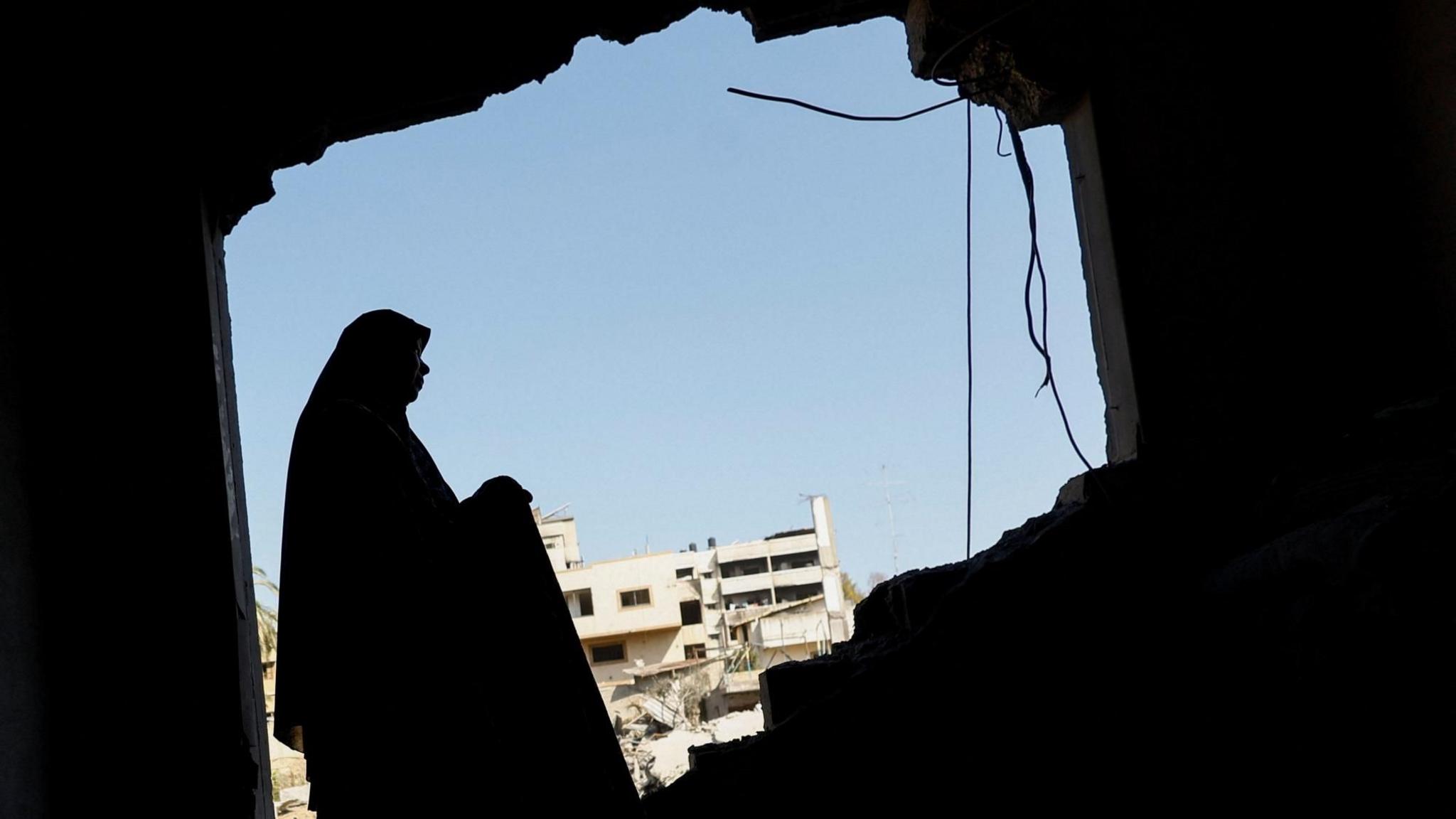
UNFPA reports sharp rise in violence against women in Gaza amid war
Gaza After three years of conflict, civilians have seen more than ever before the breaking of social safeguards. A new UNFPA study shows that early and forced marriages have surged by 123 % in the second quarter of 2026, compared with the first quarter.
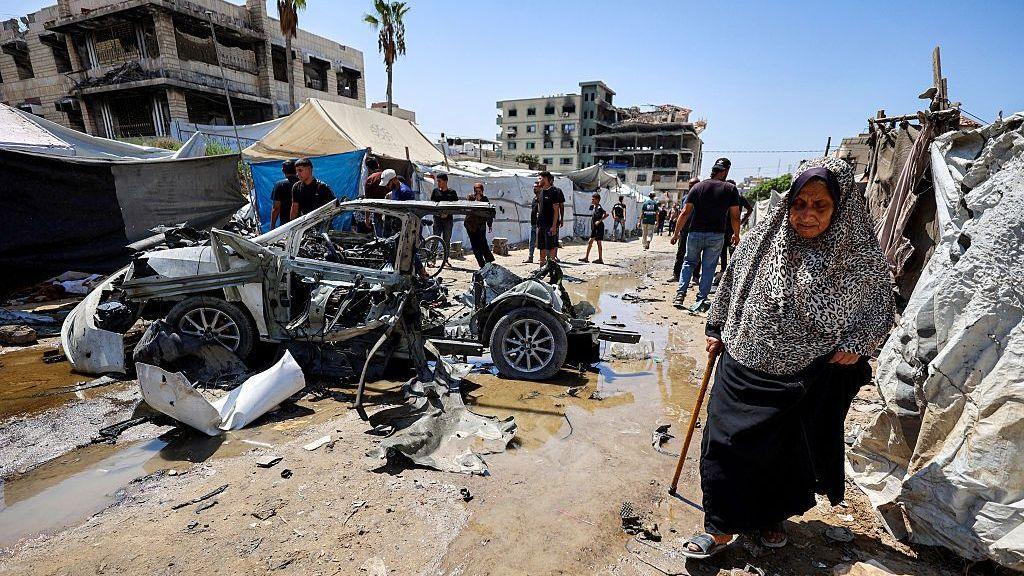
The report, synthesising data from ten organisations, highlights that the war‑driven displacement of over two million people, the collapse of public services and chronic food insecurity have created a “critical environment” where girls and women are forced into marriage for protection or food security.
“When rape cases are discovered in schools, you find weddings and celebrations at the school the next day,” a woman told us – and it is only a fraction of the sexual violence documented. The UNFPA analysis shows that sexual assaults account for 2.7 % of all reported gender‑based violence from April to June 2026, up from 2.1 % the previous quarter – a 61 % rise in absolute numbers.
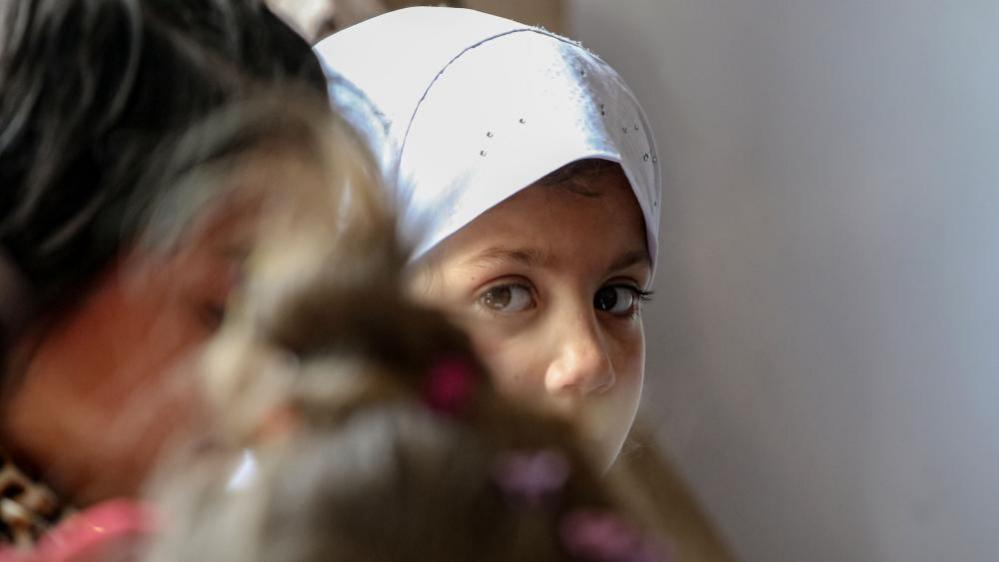
Across tent camps and damaged homes, testimonials depict a bleak picture: three‑quarters of the women interviewed are widows or lonely caretakers with no male guardians, and a third report they have been married off to a rapist or to a relative in exchange for bread or water. One 14‑year‑old was married for a bag of flour, while a 16‑year‑old bride now sits pregnant and cannot return to school.
The UN has identified that nearly one in four households with women as heads has been disrupted by the war, doubling the pre‑war share. Women who are widowed or whose husbands are missing face higher risk of sexual exploitation, often because they have lost their primary source of protection.
Aid agencies stress that improving humanitarian conditions could reduce many of these dangers. They call for Israel to allow better shelters, more latrines, food and water supplies, adequate lighting, and the safe de‑mining of camp areas. Such measures could cut the risks that women face when they need to travel, sleep, or use public toilets at night.
Documents: Additional UNFPA reports
The Gaza conflict has reshaped everyday life. Where education thrived before the war, now schools remain closed, leaving many girls out of learning and in a perilous position. In the camp environment, the lack of privacy and safe spaces magnifies the risk of sexual harassment and domestic abuse, with black‑market concerns over child marriage becoming a coping tool for families who view it as the only way to protect their daughters from shame or violence.
In the words of an UNFPA representative, “Everything is eroded… there is no system.” The rising tide of violence is a stark testament to the lasting consequences of war on women, whose stories are often silenced by fear and stigma.
Humanitarians urge that urgent, sustained interventions are required to restore a safe environment for Gaza’s women and to halt the tragic cycle of child marriage and sexual abuse.