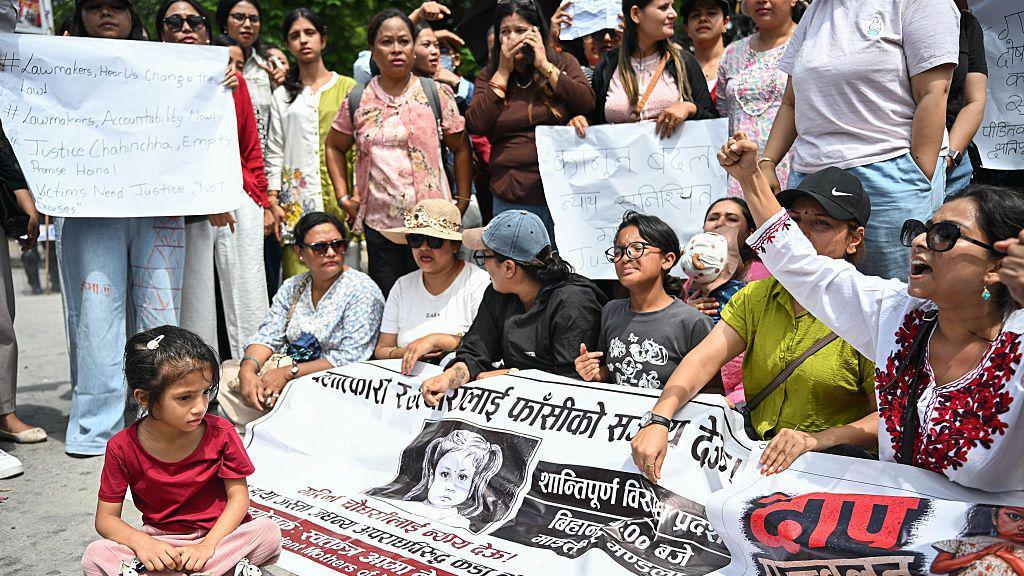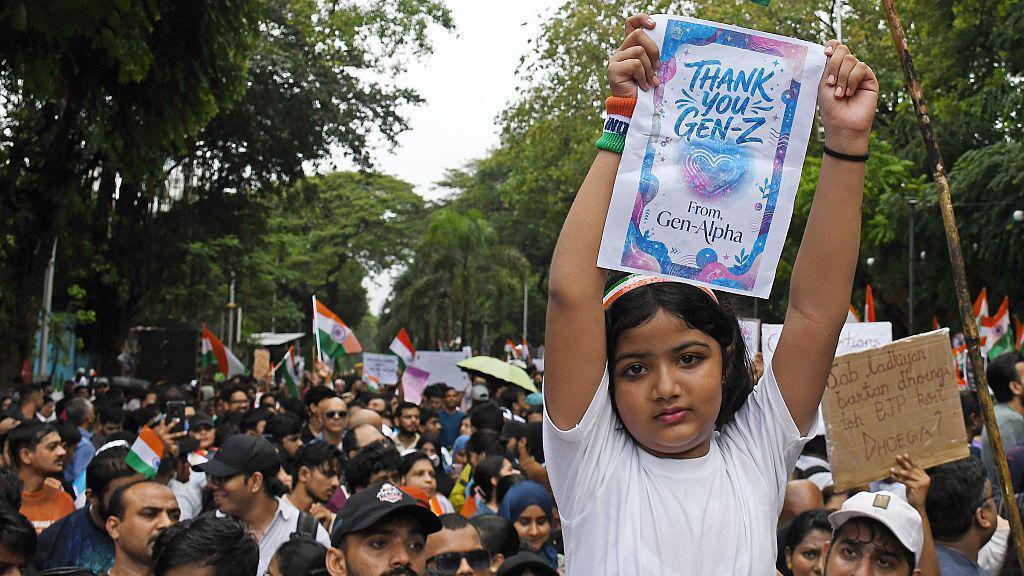
The language of India’s young, perpetually online population has finally reached one of the oldest institutions. Days after a youth‑led protest movement forced the resignation of education minister Dharmendra Pradhan, the parliament found itself speaking the protesters' language.
Terms such as Delulu, FOMO and Clock it, once confined to Instagram comment sections and meme pages, now echoed across the Lok Sabha.
While debating a new anti‑exam leak bill that came after weeks of protests led by the Cockroach Janta Party, MPs used Gen Z slang freely. Shiv Sena’s Shrikant Shinde labelled the opposition MIA, then FOMO, and finally delulu. Congress leader Deepender Singh Hooda leveraged the viral catchphrase waste‑guna‑huiya. BJP MP Bansuri Swaraj praised Prime Minister Modi for clocking it, and Tejasvi Surya accused the opposition of being delulu for criticizing the bill without having passed similar reforms.
A brief moment of bemusement followed when opposition leader Supriya Sule stepped outside the debate to question why Gen Z lingo was emerging, then later used the word delulu herself. The scene highlighted how a movement that began online, fueled by memes and Instagram reels, has literally reshaped parliamentary debate.
Experts note that politicians have always borrowed popular culture lingo to reach voters. The emergence of Gen Z slang echoes a larger pattern: the language of cricket, advertising and cinema has long spanned the political arena. What matters is not the slang itself but the underlying frustration it reveals: young people are pushing for accountability and reforms, not just catchy phrases.
While the trend in parliament may fade as internet slang evolves rapidly, lawmakers’ use of it signals cultural awareness. Yet youth activists warn that speaking their language will not impress them without substantive change. They want the government to listen, not merely copy them.