Germany’s domestic security agency, the Federal Office for the Protection of the Constitution, announced that it has identified 58,700 far‑right extremists, a rise of more than 8,000 compared with 2025. The increase has been tied to the Alternative for Germany party’s membership jump to 70,000 in 2025 and its heightened influence among the country’s younger population.
The report lists 5,600 members with a propensity for violence. In a separate warning, the agency deemed Germany to be under a “practically permanent attack” from both inside and outside the country, citing intelligence activities from Russia, China and Iran as major threats. Meanwhile, left‑wing extremist activity also grew by 4,200 to reach 42,200, a number that adds new danger to the rule of law.
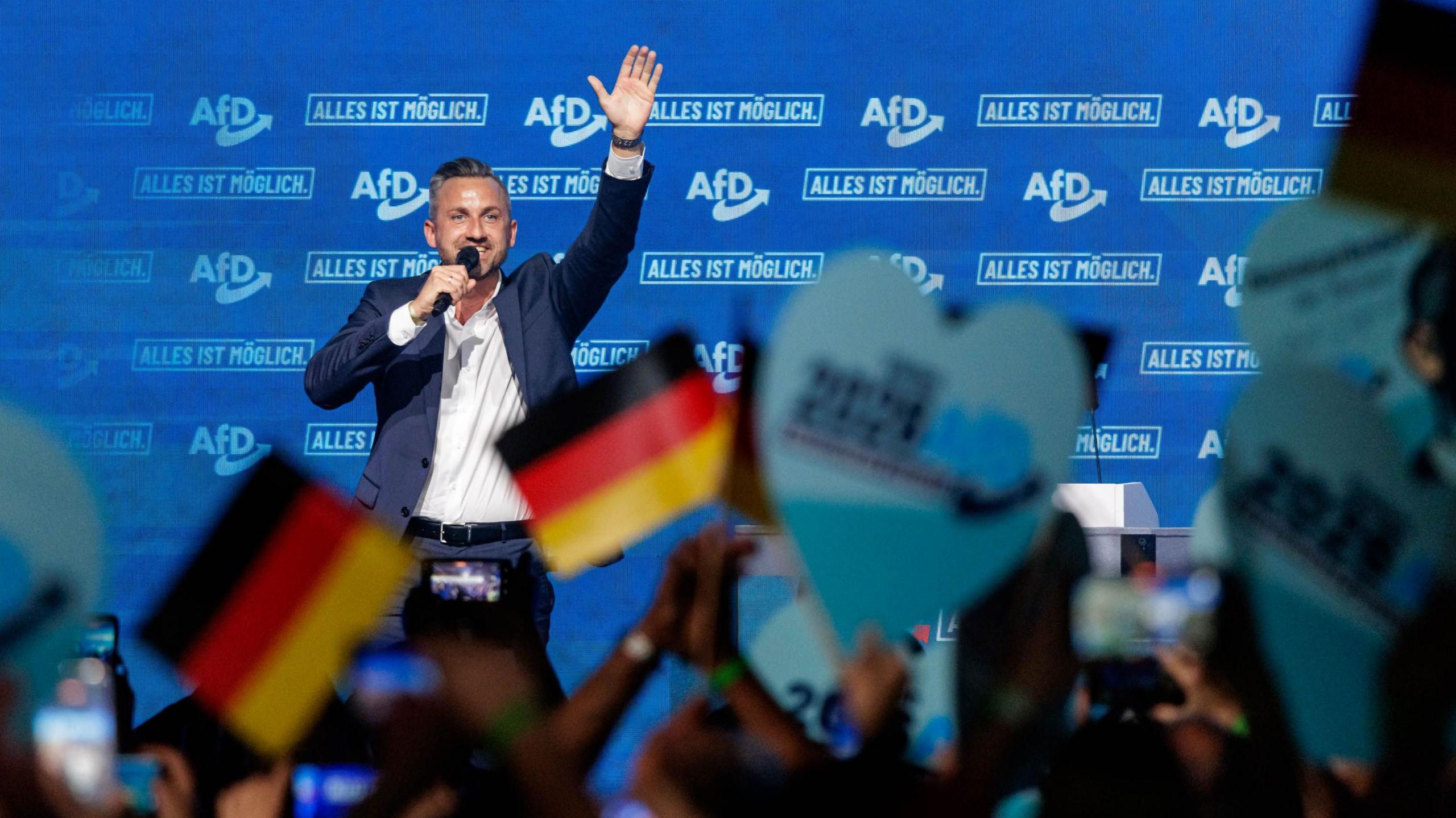
AfD is set to host a party conference in the eastern city of Erfurt over the weekend, and the Interior Minister Alexander Dobrindt has called for non‑violent protests around the event. The AfD’s rally in 2025, where it won a record 152 seats and 20.8 % of the vote, could see it secure outright majority in East Germany’s Saxony‑Anhalt state election next month, which would allow the party to form a state‑level government.
The BfV noted that far‑right groups are increasingly targeting children and young people in recruiting circles at music festivals, which reached record attendance in the past year. The agency also identified around 26,000 “Reichsbürger” and “Selbstverwalter” members who deny the Federal Republic’s legitimacy and propagate antisemitic narratives.
The AfD was classified as a right‑wing extremist group last year, however that designation was suspended in February after the party’s legal challenge remains unresolved. The domestic intelligence agency continues to list the party as a suspected extremist organisation, underscoring its growing member base and the spread of extremist and conspiracy‑theory narratives within the party.
The report concluded that violence against suspected right‑wing extremists and police officers has risen, highlighting a new need for public defences against extremist aggression and the infiltration of extremist ideology into mainstream politics. Germany’s democratic institutions, though still resilient, are under increased pressure from a broadening array of extremist threats on both ends of the political spectrum.