In brief
German investigators say a former Ukrainian Special Forces soldier, Serhii K, led a covert operation that detonated explosives beneath the Nord Stream pipelines in September 2022, crippling Europe's gas supply. After a years‑long hunt that traced forensic evidence to a yacht in the Baltic, K was arrested in Italy on a forged passport and extradited to Germany. He faces charges of sabotage and a war crime, while Ukraine maintains its denial of involvement. The case has stirred political debate in Berlin and Kyiv, raising questions about the legitimacy of targeting civilian infrastructure outside an open war zone. With trials set to begin in Hamburg, the legal fight may have far‑reaching implications for European security and diplomatic relations.
German police have closed in on a former Ukrainian Special Forces officer as the chief suspect in the 2022 Nord Stream pipe‑line explosions that plunged the world’s largest European gas supply into chaos. The man, known only as Serhii K, was spotted on a glamping holiday near the Adriatic, seemingly relaxed and dressed in shorts. Within hours, though, police cars had surrounded his villa and the target was taken in handcuffs.
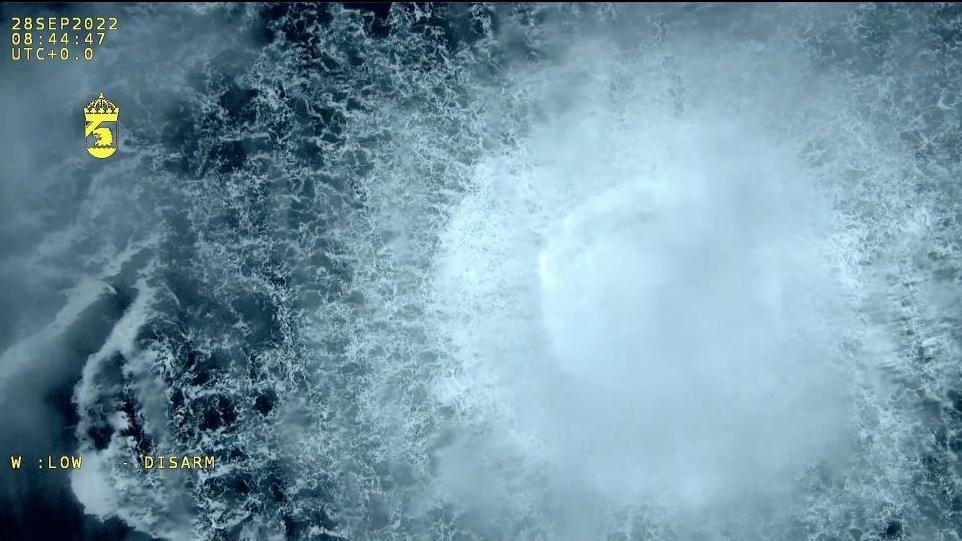
The evidence that pointed to K is a painstaking chain of forensic crumbs that began on the sea floor. High‑performance explosives were found 80 metres beneath the Baltic, with four devices clocking up to 27 kilograms each, set to detonate on a timer. Investigation traced the timing mechanism to a yacht known in German maritime records as the Andromeda, a vessel that was booked by K’s name when it arrived in Estonia.
The suspect had entered Germany on a forged passport likely issued by Ukrainian security services. His travel record, captured by German authorities, shows flights to France, Spain and Canada after the blasts, a suspicion that added credence to the extradition request filed with Italy. When the Italian police reviewed the warrant on 18 August, they noted his passport had already been flagged as high‑risk by police across Europe.
While the Ukrainian government denies any role in the operation, German prosecutors charge the case as a war crime – the destruction of civilian infrastructure during armed conflict. Serhii K’s lawyer says the former soldier will refuse to discuss mission details, citing a duty of secrecy under Ukrainian military law. Instead, his legal team will bring sworn statements from two Ukrainian officers who allegedly authorised the plan.
The trial’s ripple effects extend beyond Hamburg. Berlin’s relationship with Kyiv is already strained, and the far‑right Alternative for Germany party has seized the narrative to argue for a pause in German military aid to Ukraine. President Zelensky has previously declared the pipelines a false narrative; a spokesperson this week replied that the focus should be on who built them, not who blew them.
With Serhii K slated to be the first suspect on the docket, the trial promises to shed light on the mechanics of the 2022 explosions – and potentially rethink the limits of legitimate targets in a cold war‑style conflict. Whether the jury sees the act as a legitimate military strike or a war crime remains to be seen.