Germany warns drone assailants will "pay a price" after Leipzig incident
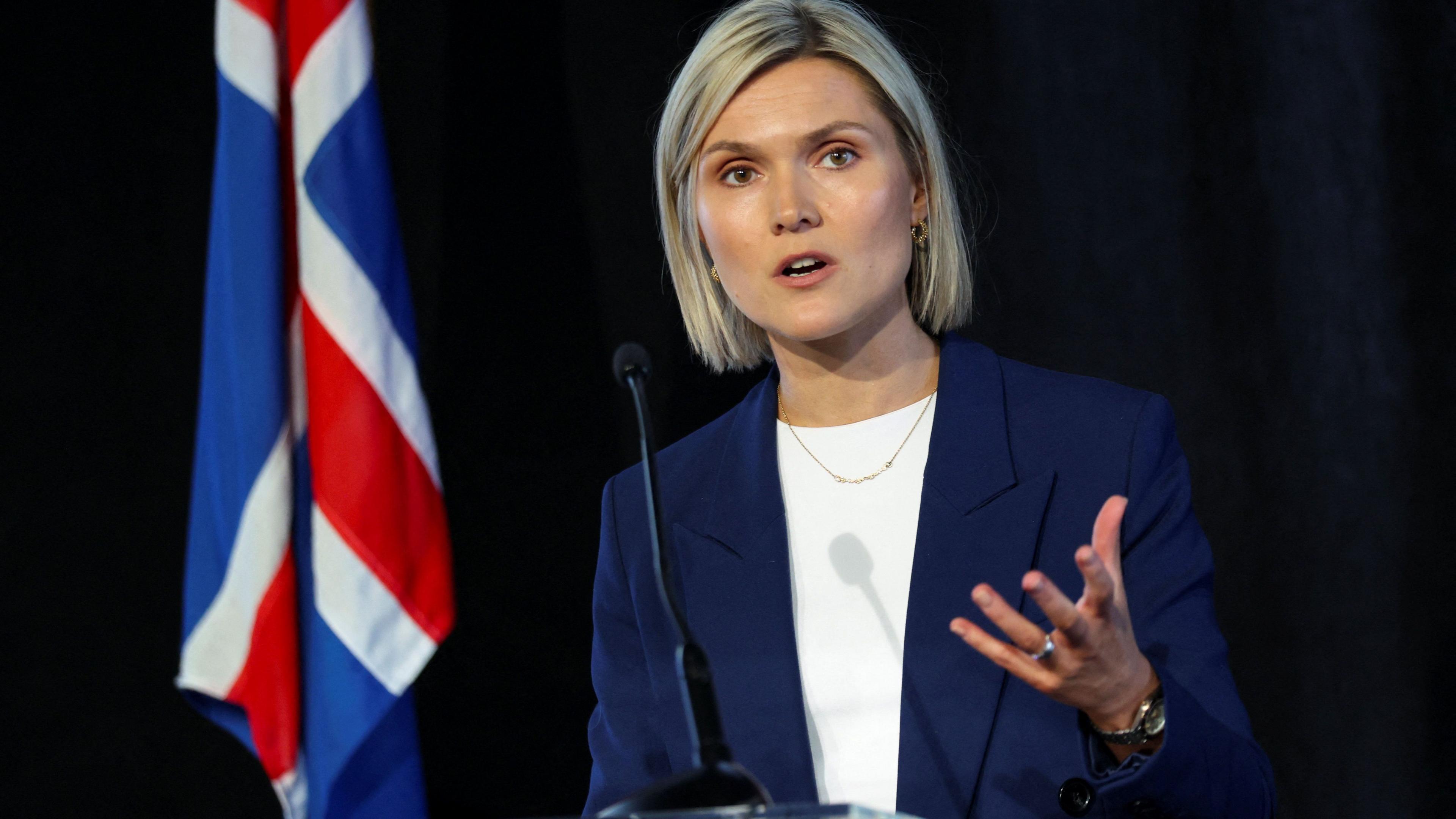
German Chancellor Friedrich Merz has warned that those responsible for drone attacks and other hostile acts against Germany—including the recent case at Leipzig Airport—would "pay a price."
Merz said the incident showed Germany was facing a "very real threat" and was increasingly becoming a target.
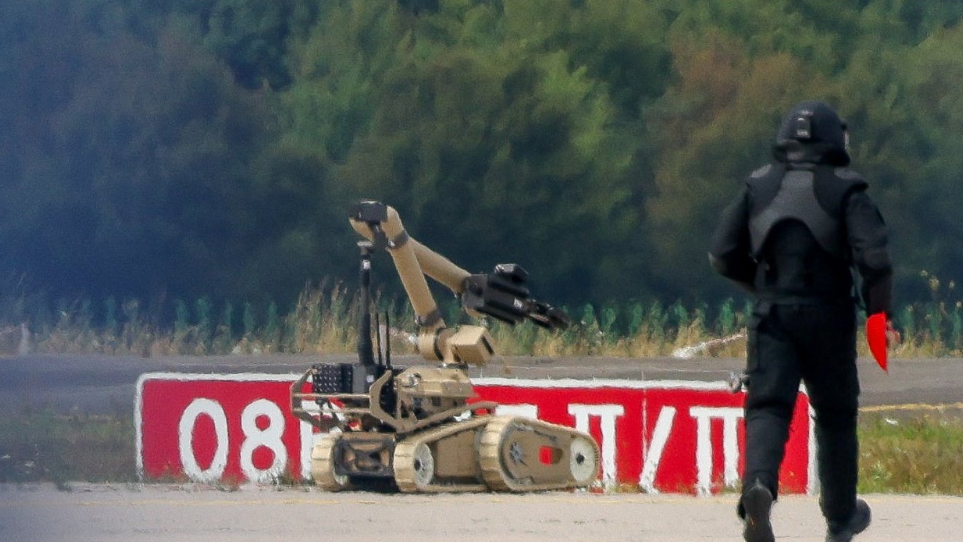
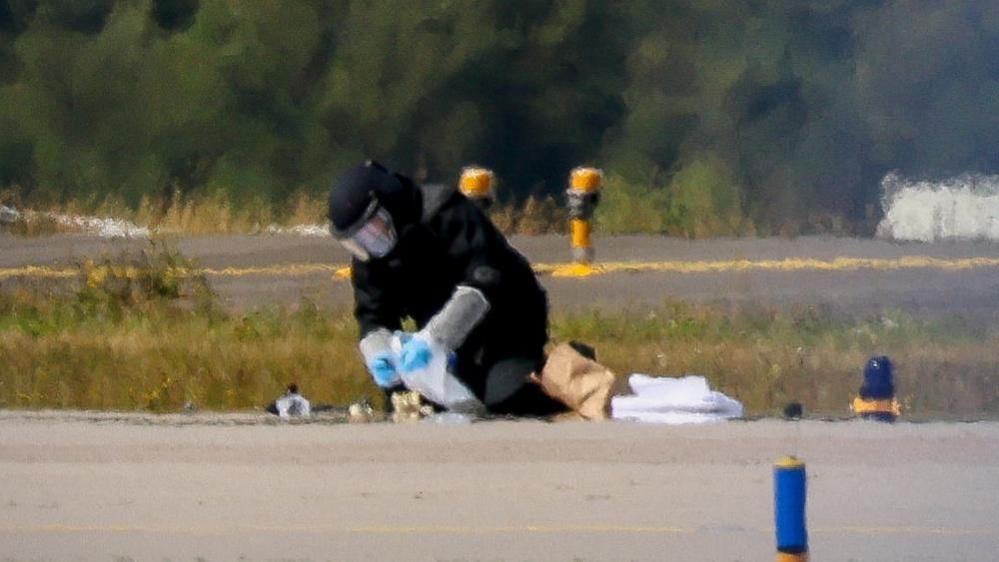
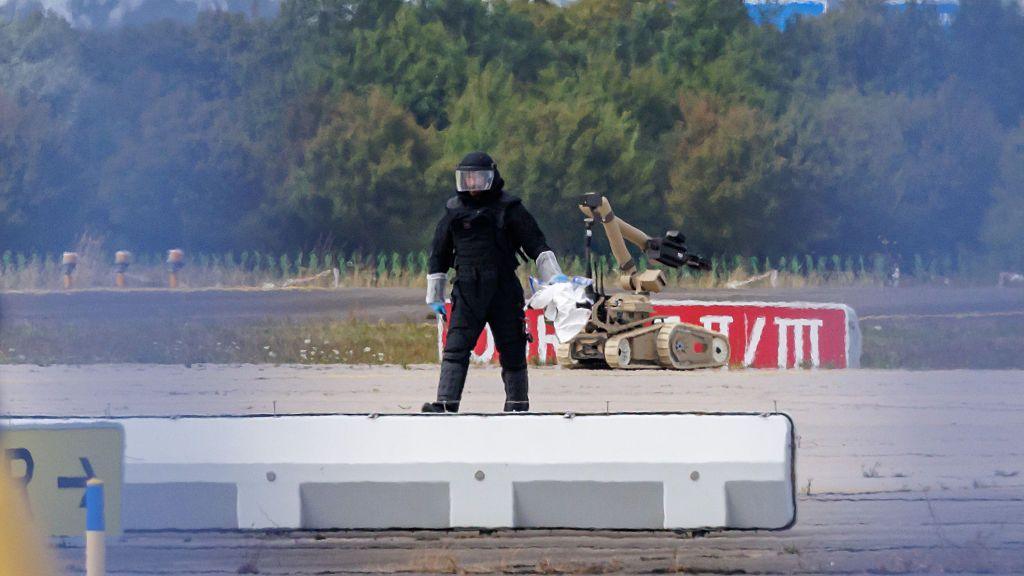
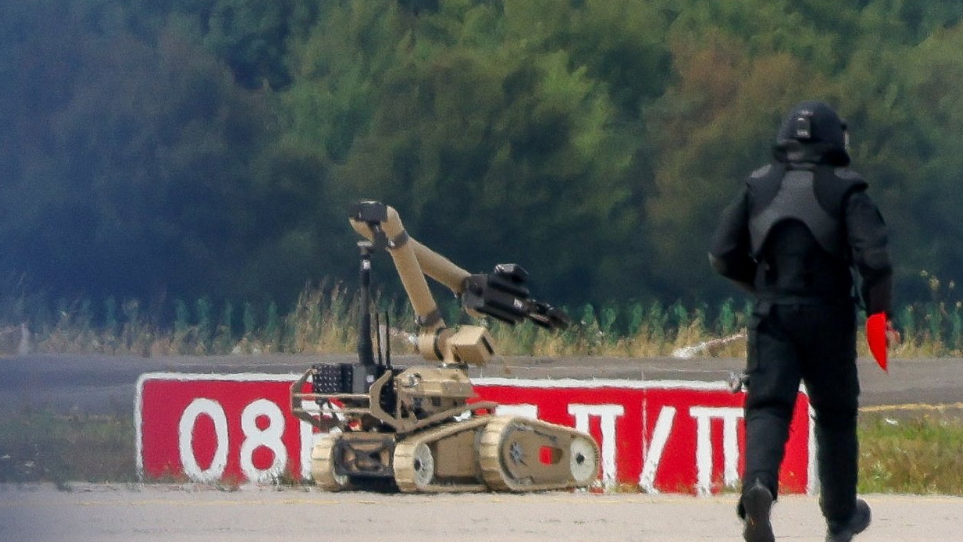
On 4 August a drone carrying an explosive device was found at Leipzig/Halle Airport, close to Ukrainian cargo planes. It failed to detonate because the detonator was faulty.
Police defused the explosives; investigators suspect a second drone may have collided with a nearby cargo aircraft. Security analysts speculate Russia could be behind the attacks, though the Kremlin has denied any role.
Leipzig/Halle Airport serves as a military and NATO logistics hub, and it also hosts Ukraine’s Antonov Airlines—key to the country’s aerial cargo—and the DHL logistics network.
"We have problems, some of which stem from outside the country, and which we must not ignore," Merz said. "Attackers are increasingly ruthless, accepting even severe property damage and injuries."
German authorities have since found a third drone near the airport and detected traces of the military explosive hexogen in the area.
Merz, speaking at a government coalition retreat at Neuhardenberg, emphasized that the administration is cooperating closely with security services and will release more details soon.
He asserted Germany will "stay the course" supporting Ukraine, aiming to force peace talks rather than prolong the war.
Part of the strategy includes strengthening drone defenses and empowering security agencies to counterattack—potentially by hacking enemy servers—after a series of unauthorized drone flights over sensitive sites, including military bases and energy terminals.
Police warned that these overflights may have been orchestrated by Russian agents.