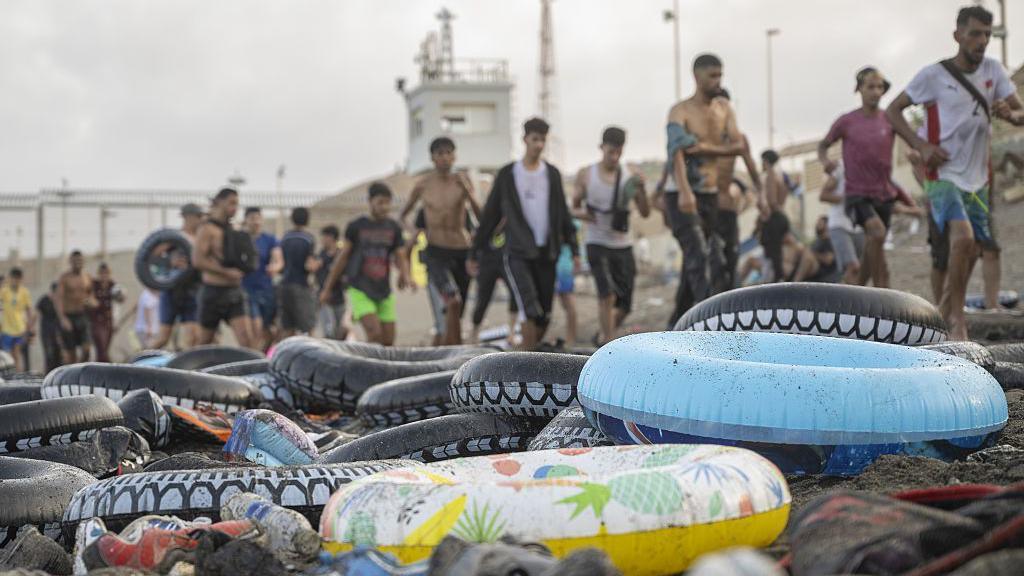
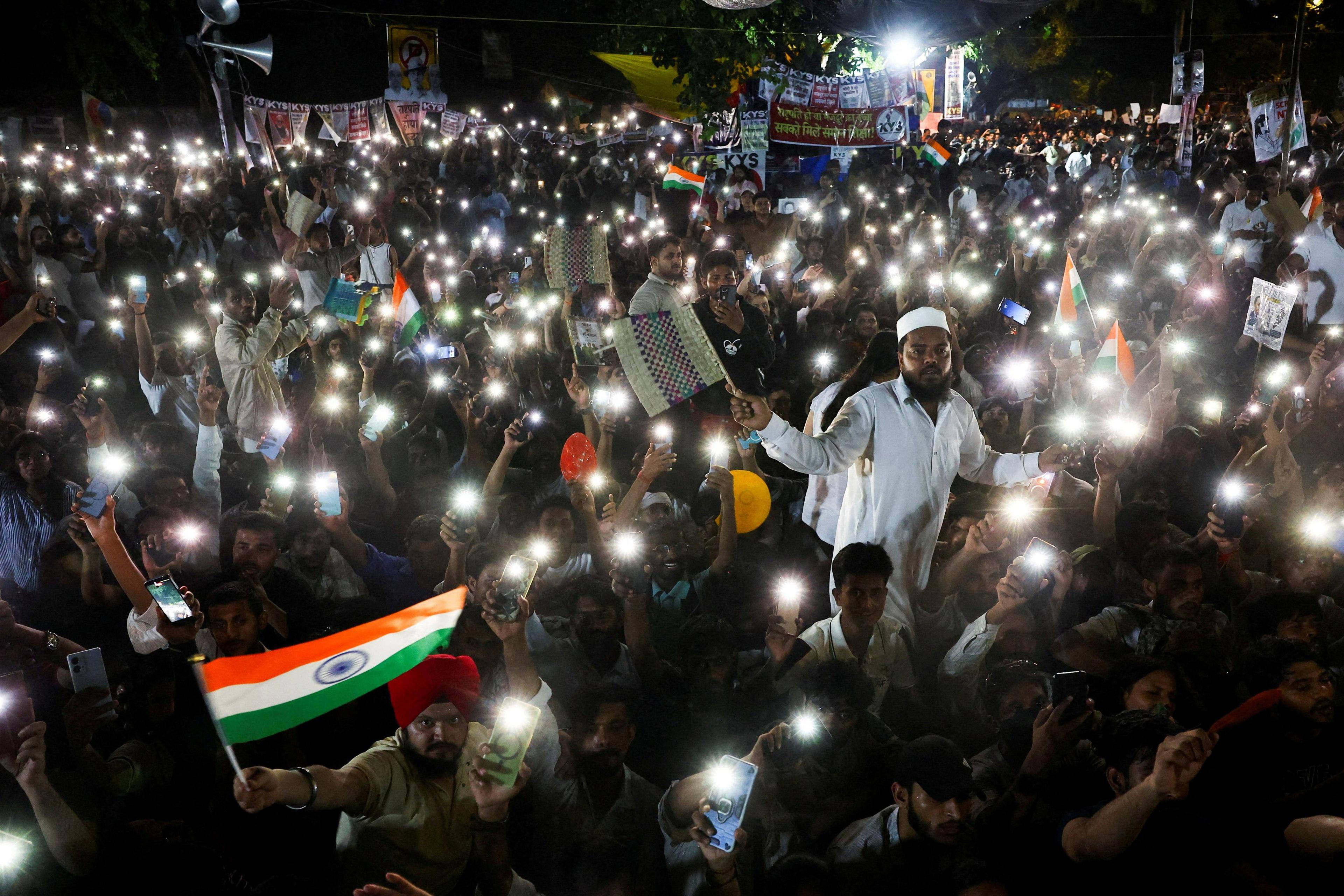
In a government announcement on Tuesday, Ghana’s spokesman Felix Kwakye Ofosu confirmed that the planned state visit of South African President Cyril Ramaphosa, scheduled for the first week of August, has been postponed. The decision came after waves of anti‑immigrant protests that led to the repatriation of more than 1,900 Ghanaian nationals, and the death of a 40‑year‑old Ghanaian, Bahiru Isak, in the Cape Town suburb of Khayelitsha.
President Ramaphosa had said the objective of the visit was to de‑escalate tensions between the two countries and strengthen the African Agenda. However, Ghana’s own security chiefs warned that his presence could trigger mass demonstrations and possibly further casualties. The spokesman added, “A communication was sent to the president that deferring the visit is best given the present climate around xenophobia.”
South Africa’s spokesperson Vincent Magwenya insisted that his country’s stance on irregular migration was firm and that “peaceful protests are within rights.” Pretoria has also raised concerns that Ghana denied Ghanaian citizens proper residency status in South Africa and accused Ghana of spreading misinformation. As a result, Stockholm agrees to re‑examine diplomatic relations and will continue to seek a suitable time for a visit, if at all.
These events have triggered a diplomatic rift, with Ghana petitioning the African Union for a fact‑finding mission on foreigner safety and South Africa fearing political isolation. Analysts warn that if the problems of xenophobia and migrant repatriation in South Africa persist, Pretoria risks being excluded from the continent’s new continental free‑trade area settlement and could lose substantial aid and investment from other African states.
Outside Africa, countries like Nigeria, Malawi, and Kenya are also sending their citizens back, as the hope of a shared, solidary multi‑racial democracy faces a new wave of unrest. In the aftermath, the need for a common African moral framework to address xenophobia, labor, and migration has never been more pressing.