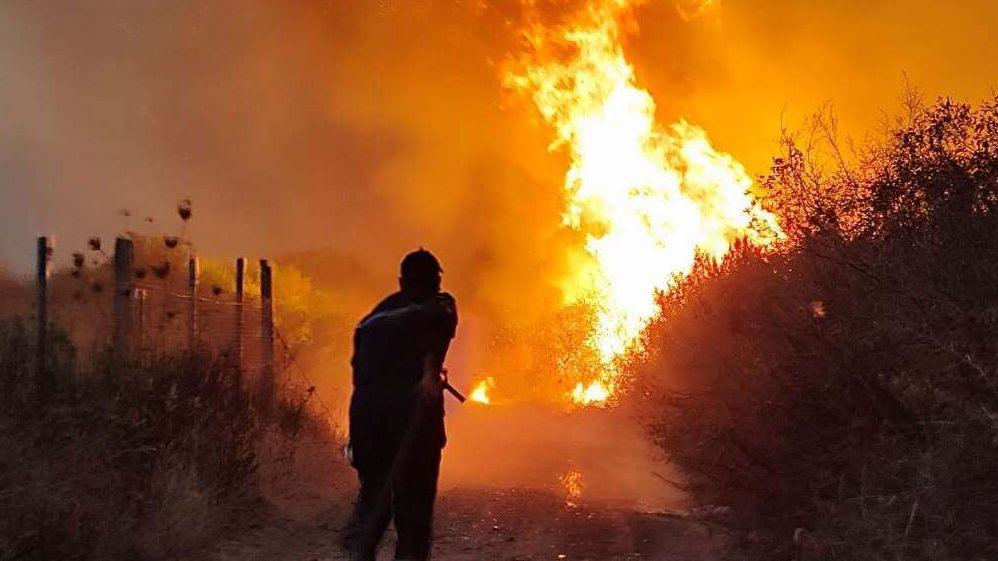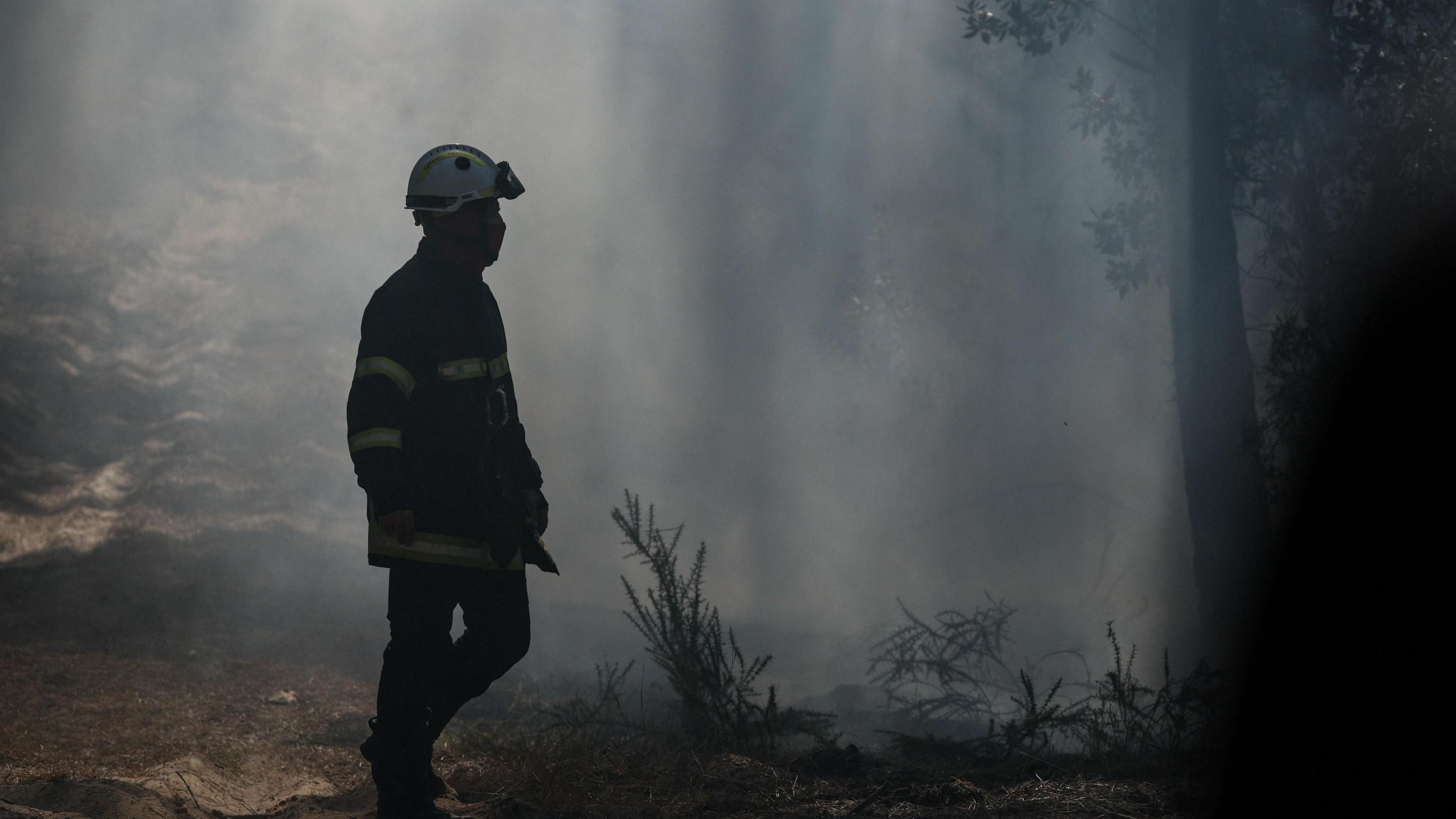
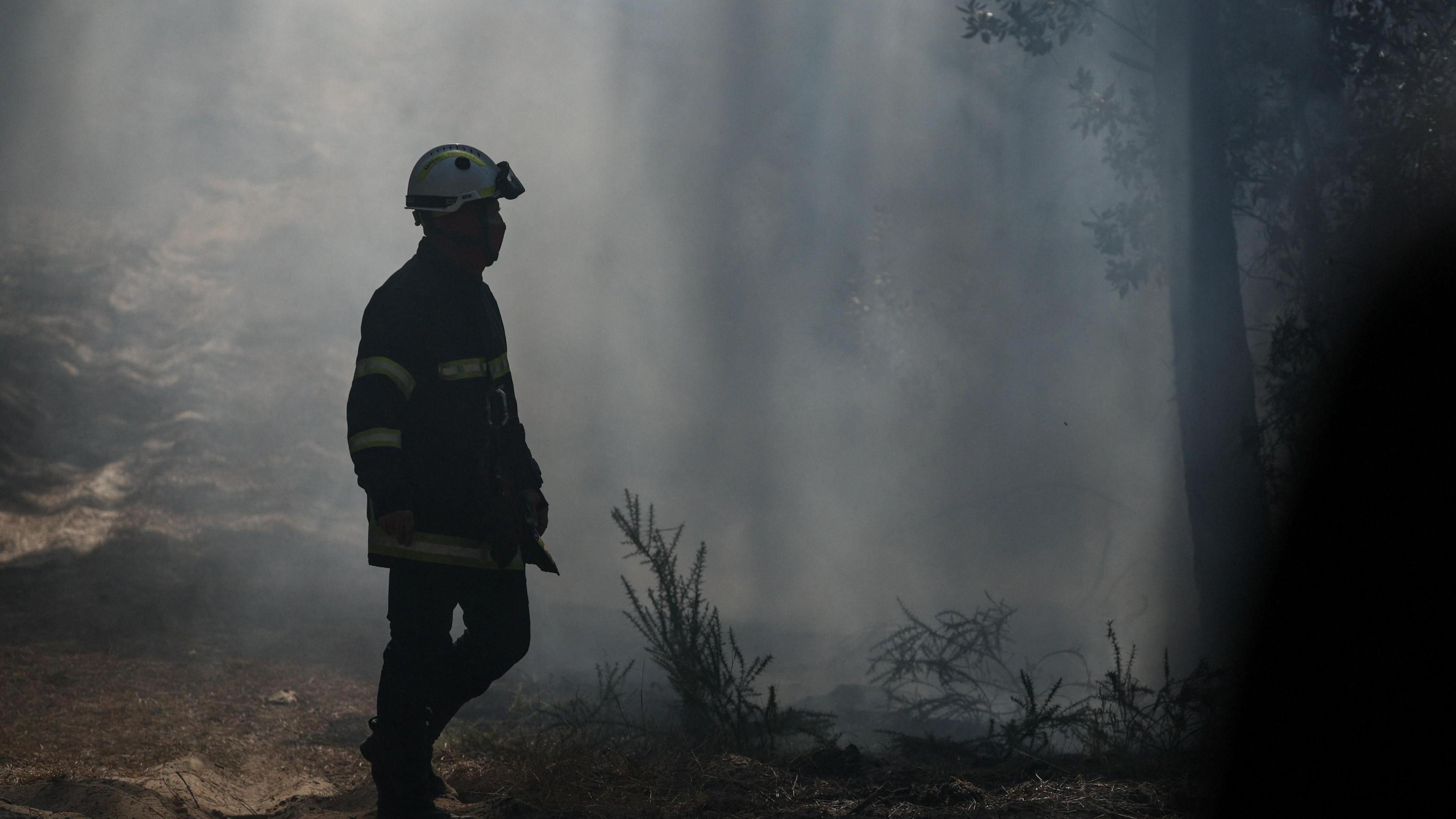
Hundreds of firefighters from the national federation have been roped in to tame blazing forests in Gironde, a department that stretches between the Atlantic coast and the city of Bordeaux.
The crews face a dual threat: relentless flames that have already consumed around 240 homes and a heatwave that is predicted to reach 40 °C (104 °F) by this Wednesday.
Mayor of Bordeaux, Remi Lassoureille, warned that the western edge of the wildfire is widening toward the city. “We are frightened about the impact on Bordeaux and the metropolitan area,” he said.
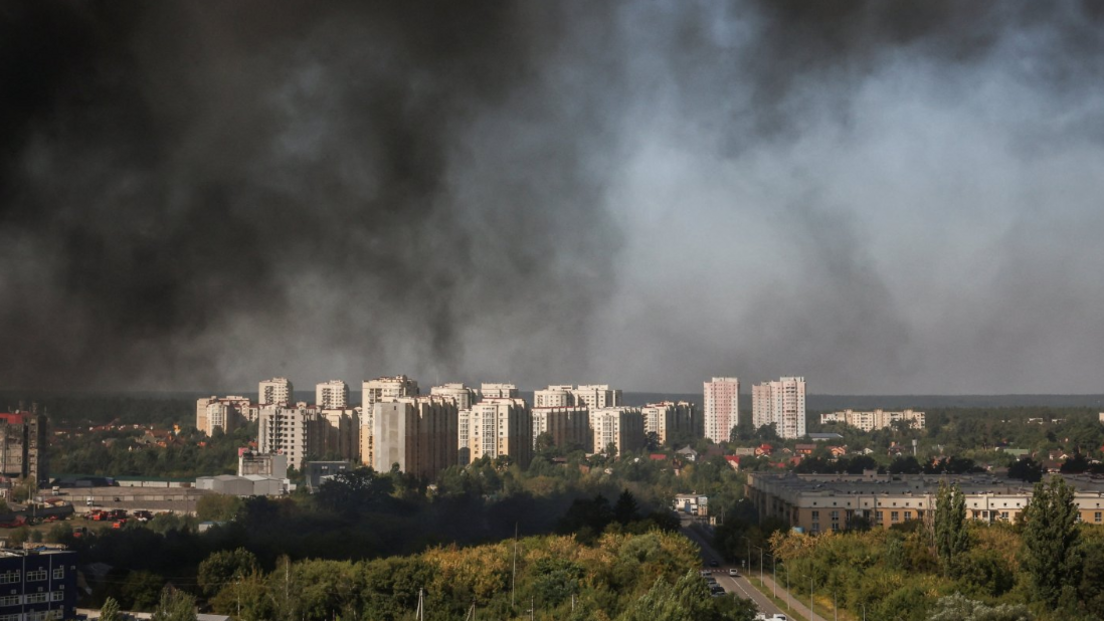
Air‑quality alerts were issued after smoke and ash began to settle over the city’s streets, forcing many restaurants and cafés to close. In‑season tourists have been guided to evacuate campsites near Lacanau, while residents of coastal villages were told to prepare for sudden evacuation.
The French president took a field visit to the affected area and described the crisis as “completely unprecedented” and the toughest since the second world war.
Health Minister Stéphanie Rist urged the public to stay indoors until air‑quality improves, while local officials advised wearing masks during the heavy smoke period.
In the short term, tourism in the Bordeaux region has already been hit hard. Wine estates such as Château Picque Caillou have closed for the weekend to avoid exposure to ash, though a night of rain helped improve conditions.
Even though Bordeaux itself remains relatively safe, many residents on the peninsula feel the urgent threat of forest loss, describing the damage as a catastrophe for its local ecosystems. The situation remains fluid as firefighters work to feed large numbers of land masses with water and air‑support during the peak of the heat.
With the heatwave intensifying, the region has invoked emergency measures and increased fire‑fighting resources, while the national government has called for public cooperation to mitigate further damage.