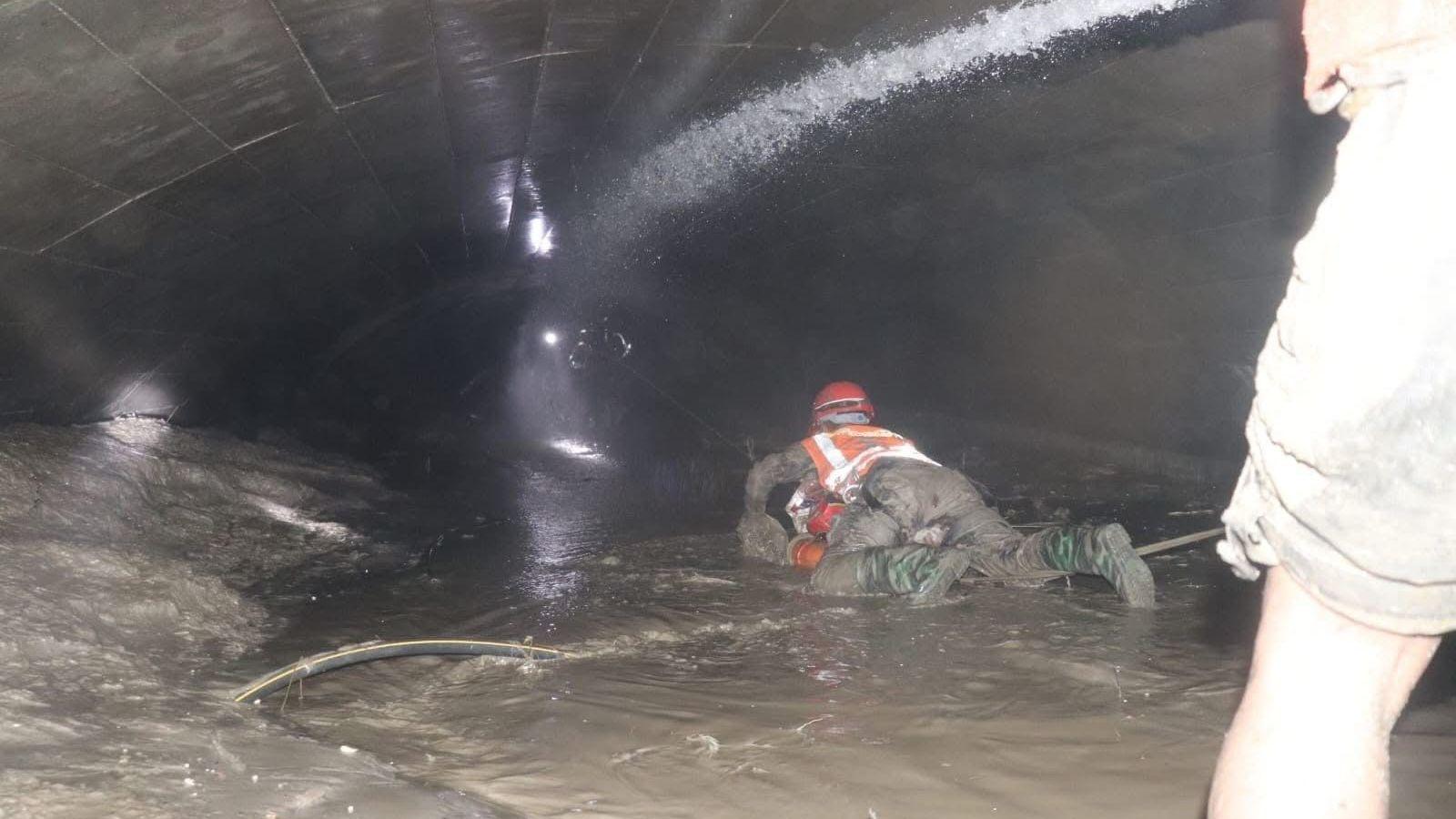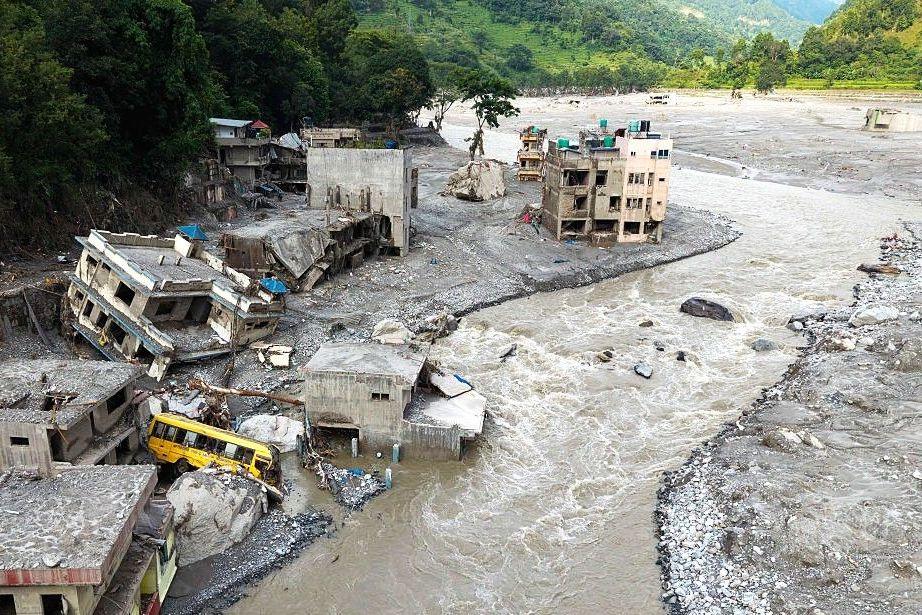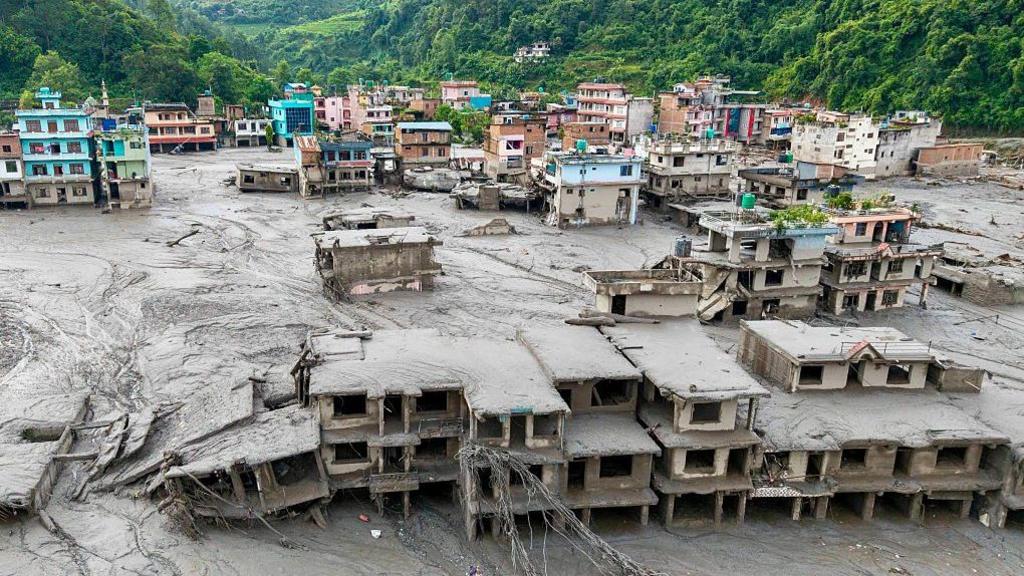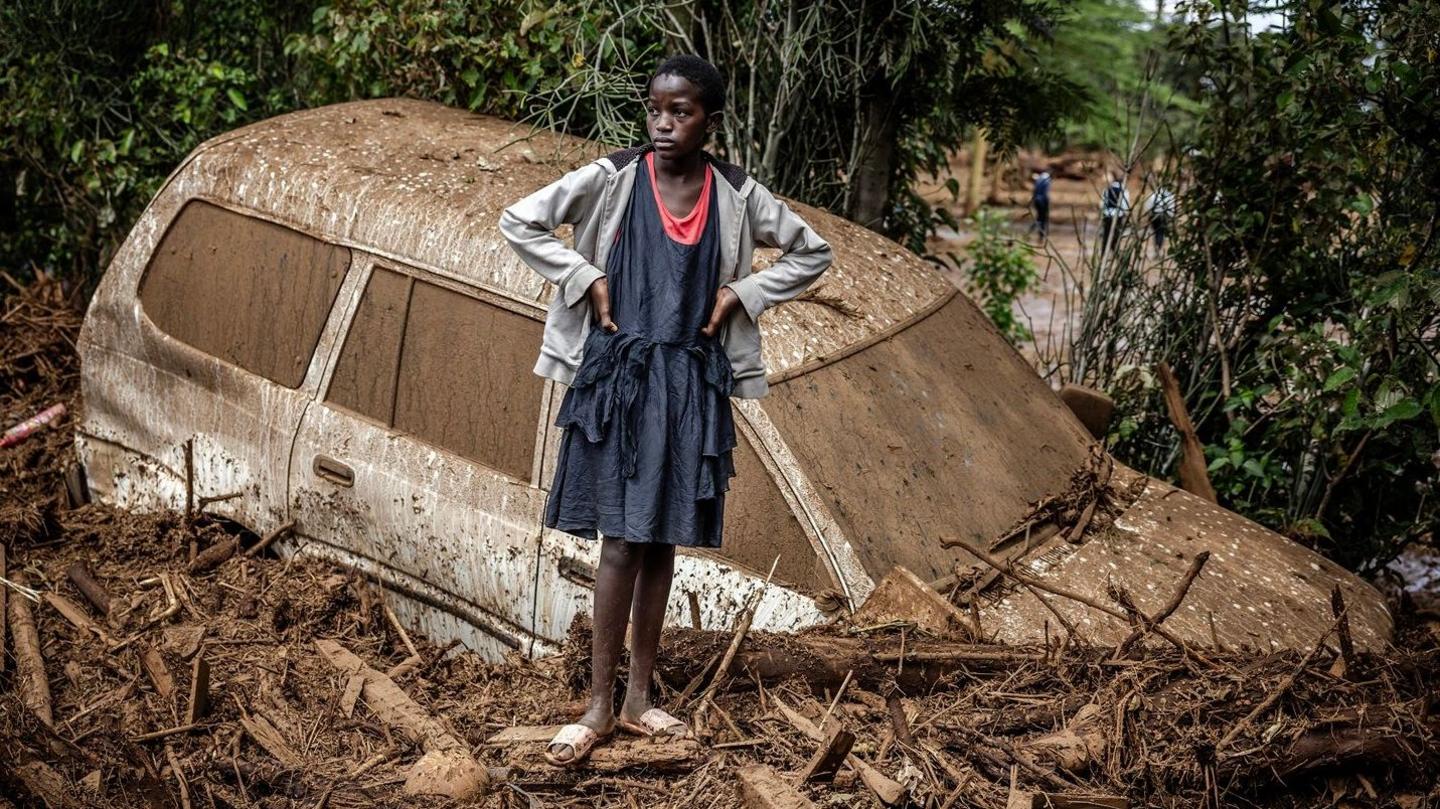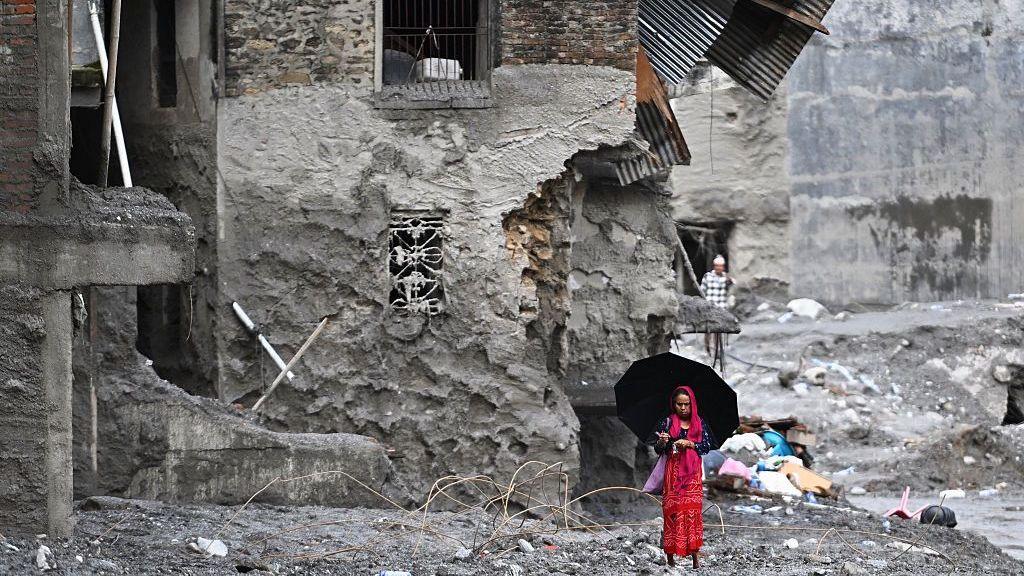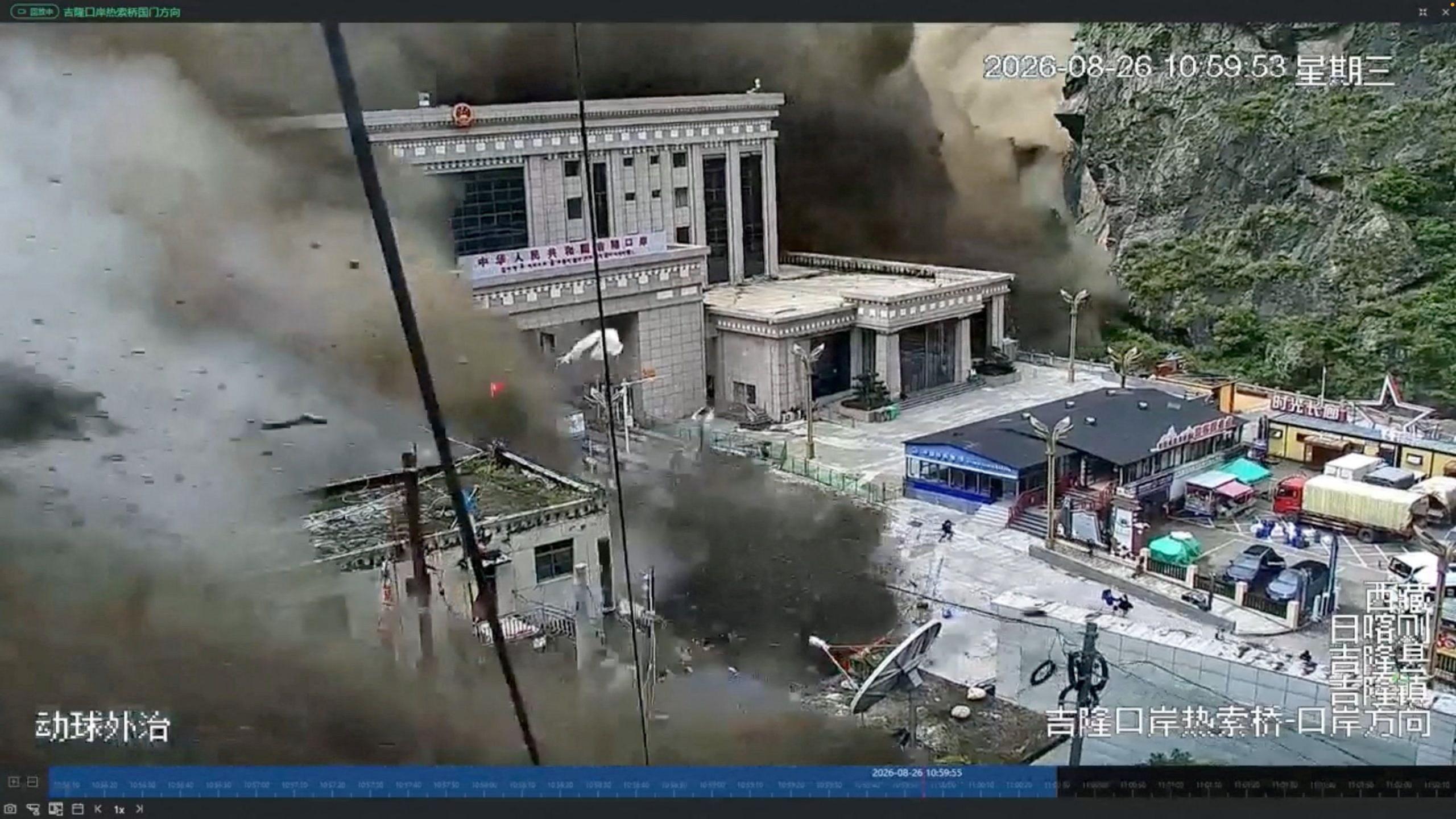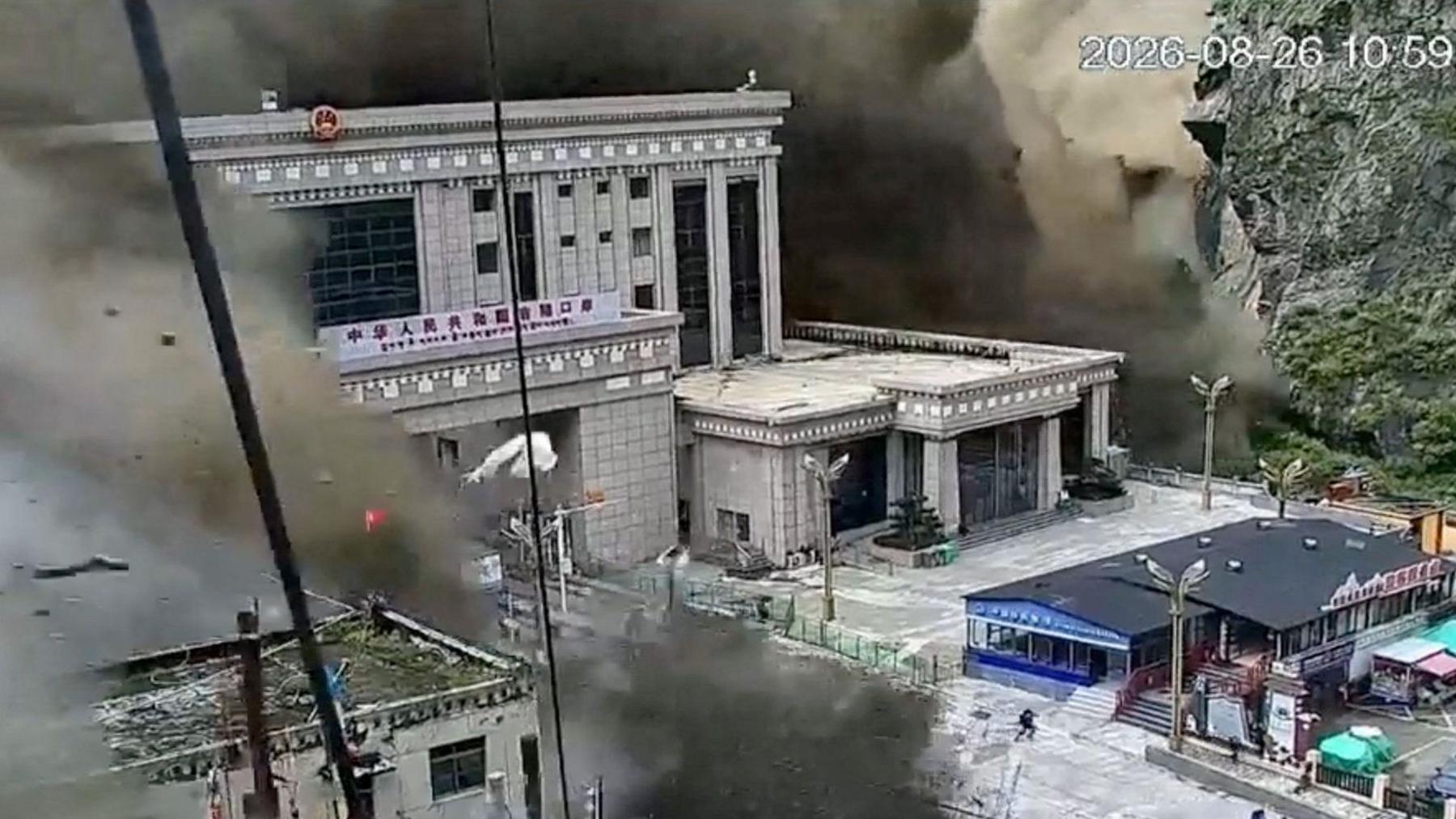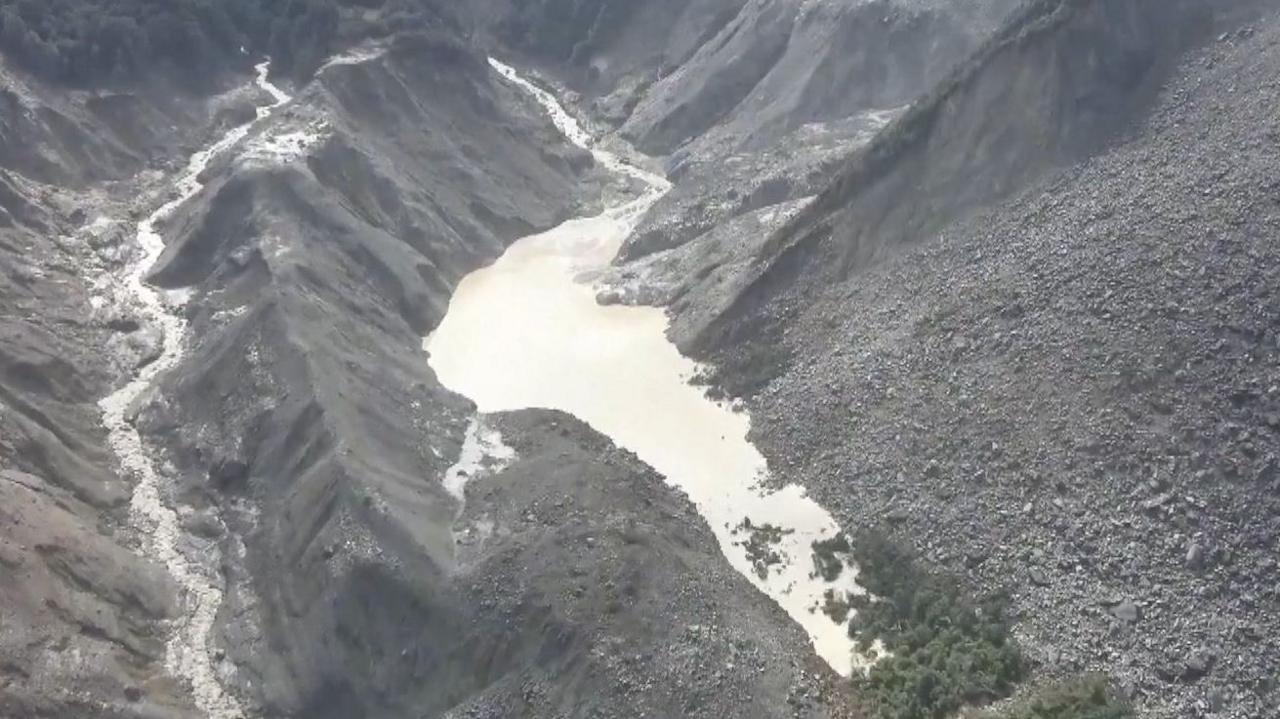
A sudden glacial collapse on the Nepal‑Tibet border sent a torrent of ice, rock and water tumbling downhill, killing 177 people in the flash flood. Initial reports blamed a tremor, but U.S. Geological Survey data and glacier specialists quickly corrected the narrative: the collapse was the true cause, registering a 5.2‑magnitude event in the valley floor.
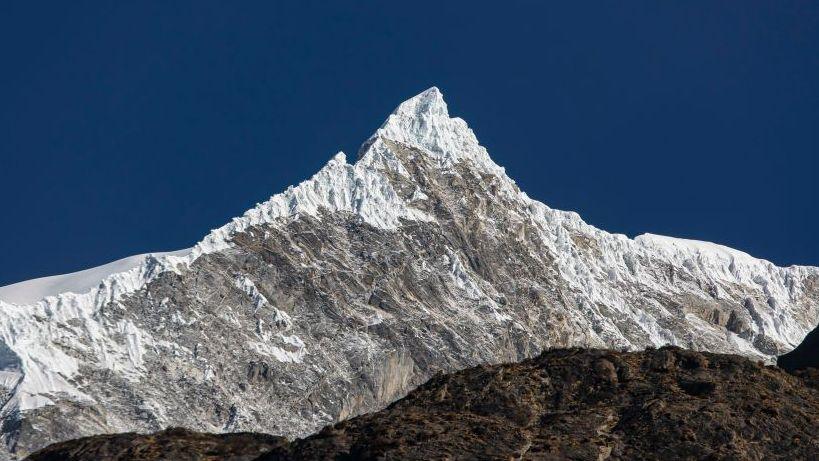
Dr Simon Cook of the University of Dundee pointed out that the Bangan glacier’s lower portion near Langtang Lirung peak toppled, heading westward and striking the valley bottom at high speed. The impact was so powerful that it created a shockwave comparable to the roar of a large power plant.
ICIMOD’s analysis shows that the collapse released a huge volume of ice and rock debris into the Lende Khola tributary of the Bhote Koshi river. Within 30 minutes water levels rose 7‑9 metres, flooding monitoring stations and sending debris downstream in a deadly millisecond.
This event is part of a disturbing trend. ICIMOD reports that Hindu‑Kush Himalaya glaciers are now losing ice at twice the rate seen since 2000, amplifying flood and landslide threats across the region.
Similar disasters have struck the Himalayas and European Alps in recent years—a 2021 glacier collapse in India’s Chamoli valley killed 200 people and was likened to 15 atomic bombs in energy. Even in adjacent Nepal, a glacial lake burst in Tibet last year sparked severe flooding.
Scientists warn that the climate‑driven melting of glaciers and thawing permafrost threatens to destabilise mountainsides, increasing the frequency of landslides, debris flows, and glacier collapses. The pace of change is faster than current mitigation efforts can keep up.
While it can be hard to attribute any single event to global warming, the pattern of increasing glacier‑related hazards strongly suggests that climate change plays a major role. The shrinking glaciers, rapid snow melt and permafrost thaw are destabilising the high‑mountain terrain, making such events inevitable if warming continues.