The night before yesterday, residents in southern Spain woke to a 4.8 magnitude quake centered about ten kilometres south of Granada. The tremor, recorded at a shallow depth of less than 10 kilometres, jolted the historic city and sent shivers through homes and tourist sites.
Quick to act, local authorities cordoned off streets where fallen debris damaged vehicles. Residents streamed into the streets, fearing stronger aftershocks. The National Geographic Institute flagged the tremor as part of a series of shallow quakes since last Friday, all felt across the region.
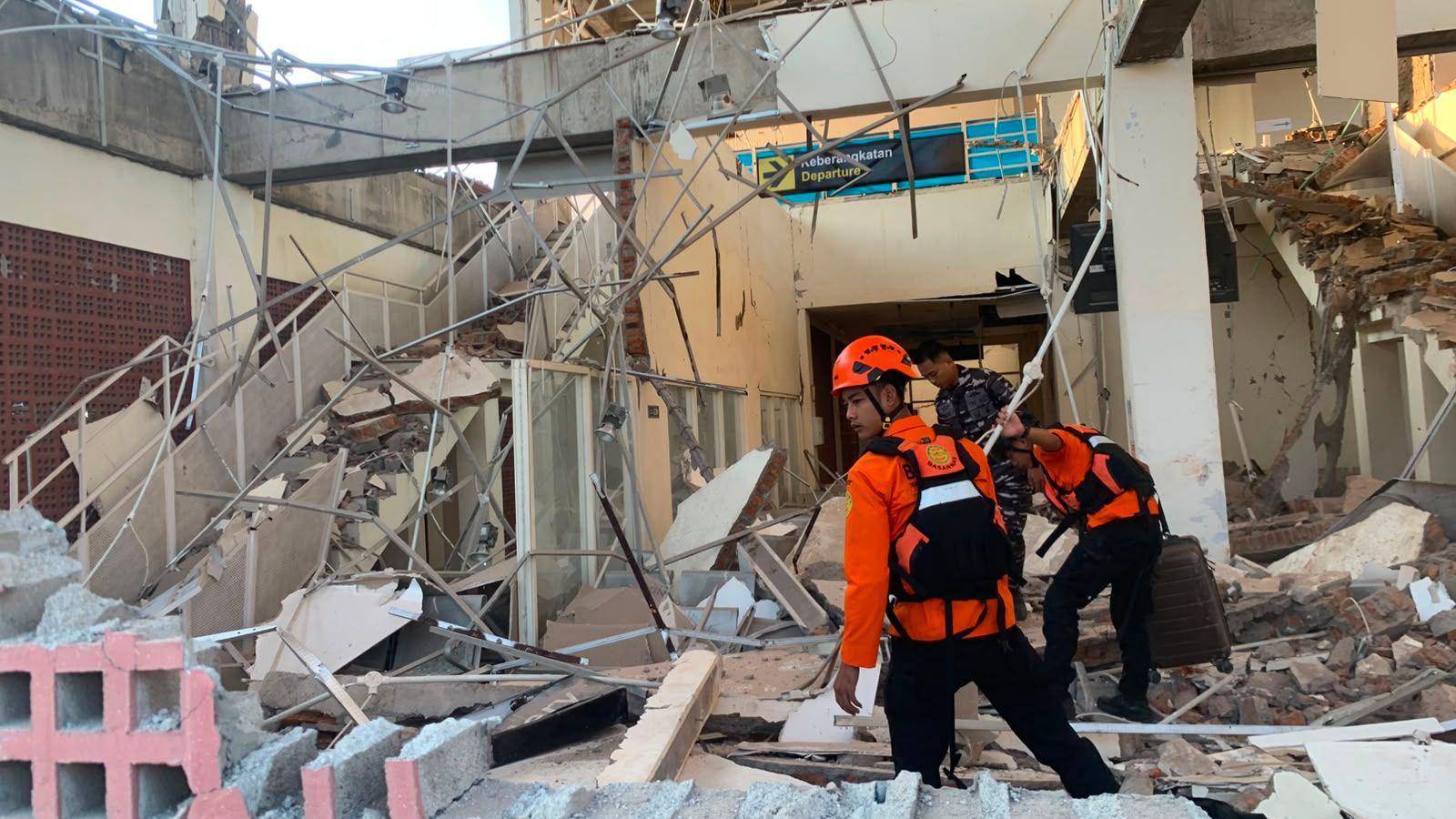
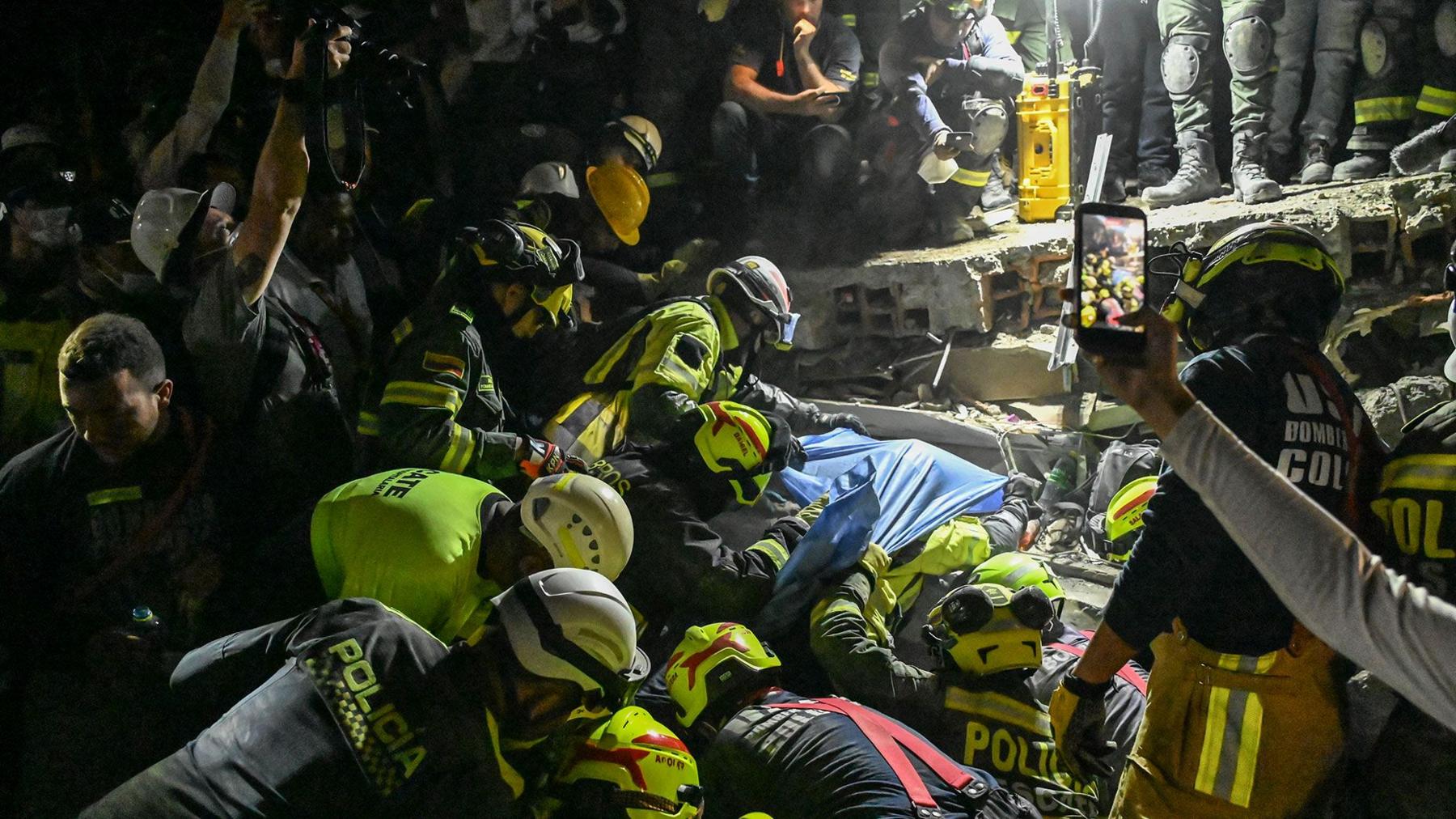
Three people were lightly injured, though none suffered serious harm. Buildings such as museums, sports centres and administrative offices were put on temporary closure to assess damage. In particular, the famed Alhambra palace—a UNESCO world heritage site—was closed that afternoon for safety checks.
Granada’s metro system reduced train speeds to 30 kilometres per hour to safeguard passengers, warning of potential delays. The quake prompted a nationwide alert for possible aftershocks, urging public to keep vigilance and follow updates from the IGN.
Officials pledged rapid inspections of infrastructure, especially in heritage sites, as Spain’s seismic monitoring continues to track the region’s shallow tremors.