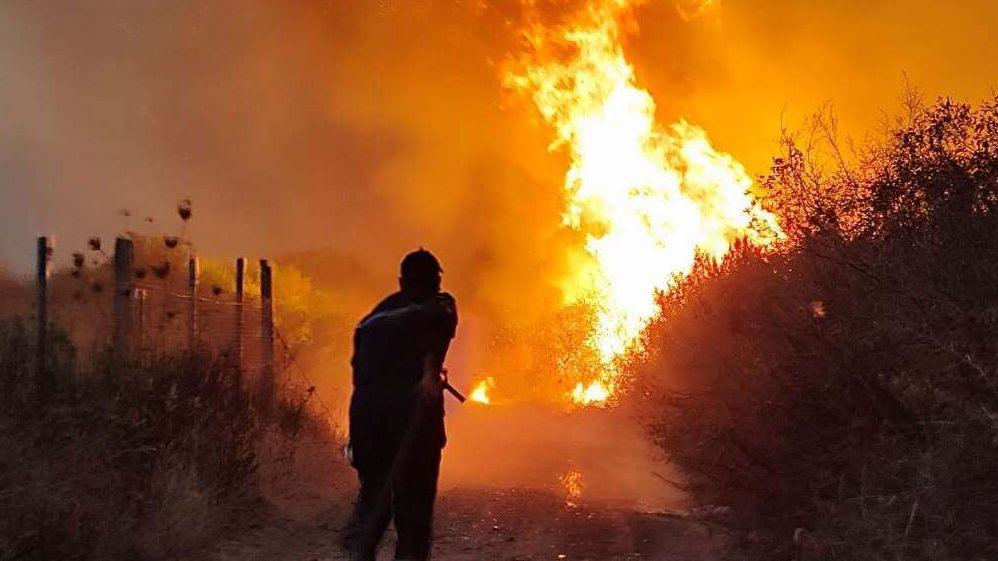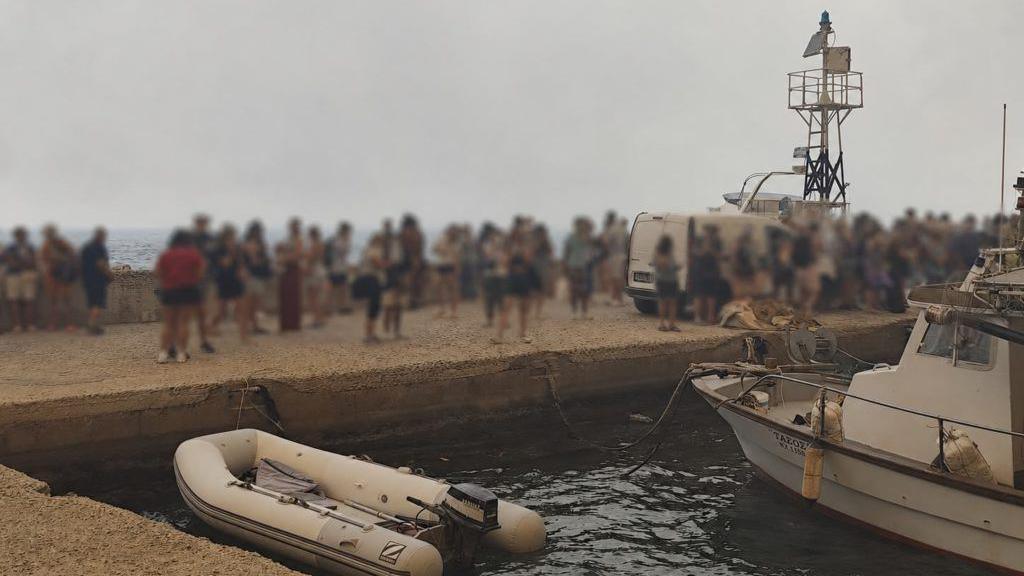
A sudden and fierce blaze broke out near the seaside town of Agios Vasileios on Greece’s central coast, driving roughly 500 residents and holidaymakers onto boats to navigate away from the fire’s path. Strong southern winds intensified the flames, turning the town into a rapidly escalating danger zone within hours.
Not long after the initial blaze, another fire erupted further along the coast in the rural municipality of Xironomi, while crews on the island of Crete continue to wrestle with a large, persistent wildfire that has already consumed thousands of hectares of land and forced the temporary evacuation of 8,000 people.
The Greek events echo a broader crisis: Europe’s heatwaves have created ideal conditions for vegetation‑fuelled blazes. Spain reports more than 200,000 hectares burned in 2026, while Portugal’s wildfire‑affected acreage remains above usual levels. Firefighters in those countries, along with urgent containment efforts in Turkey’s Mediterranean coastline, face significant challenges as temperatures remain extreme.
With four active fires recorded on Turkey’s mainland near the popular tourist hub of Antalya and additional incidents across Spain’s regions, authorities warn that the fire‑risk climate may persist through the coming days, urging residents and visitors to heed evacuation orders promptly.
The series of blazes highlights the mounting pressure on emergency services and the need for stronger fire prevention measures, especially in densely trafficked tourist areas. As authorities coordinate cross‑national efforts to protect life and property, the continued heatwave underscores that such disasters are likely to recur before temperatures begin to cool.