
In brief
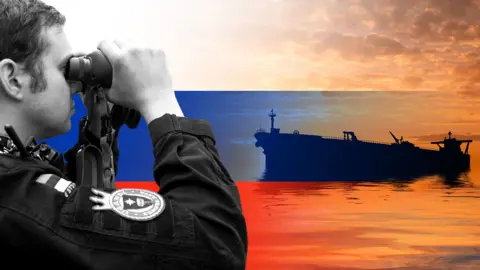
As Europe grapples with Russia's ongoing invasion of Ukraine, coastguards in the Baltic Sea are on the front lines of tracking a burgeoning shadow fleet. This clandestine network of oil tankers, often operating under dubious flags and ownership, seeks to circumvent international sanctions imposed on Russian oil exports. Investigators report concerning trends of increasing maritime activities related to these shadow vessels, which not only evade sanctions but poses environmental and security risks in the region.
Out on the western Baltic, a coastguard officer radios a nearby, sanctioned oil tanker.
Swedish Coastguard calling… Do you consent to answer a few questions for us? Over.
Through heavy static, barely audible answers crackle over from a crew member, who gradually lists the ship's insurance details, flag state, and last port of call – Suez, Egypt.
I think this ship will go up to Russia and get oil, says Swedish investigator, Jonatan Tholin.
This is the front line of Europe's uneasy standoff with Russia's so-called shadow fleet; a term that commonly refers to hundreds of tankers used to bypass a price cap on Russian oil exports.
After the Kremlin launched its full-scale invasion of Ukraine, many Western countries imposed sanctions on Russian energy, which Moscow is accused of dodging by shipping oil on aged tankers often with obscure ownership or insurance.
Some shadow ships are even suspected of undersea sabotage, illicit drone launches, or spoofing their location data.
Out on the waves, where freedom of navigation is a golden rule, the ability and appetite of coastal countries to intervene is limited, even though the risk they face is escalating.
As the BBC has learned, a growing network of shadow ships are sailing without a valid national flag, which can render vessels stateless and without proper insurance.
That is a troubling trend, given many are practically floating rust buckets, says senior maritime intelligence analyst at Windward AI, Michelle Wiese Bockmann. If there is an accident, like a billion-dollar oil spill, good luck with trying to find somebody responsible to pick up any cost.
Driven by record sanctions and tighter enforcement, the number of falsely flagged ships globally has more than doubled this year to over 450, most of them tankers, according to the International Maritime Organization (IMO) database.
The BBC has been tracking one ship that appears to have sailed without a valid flag.
The head of Estonia's navy, Commodore Ivo Värk, says they have seen dozens of such passing vessels this year whereas they used to see just one or two. What's more, he suggests, it's brazen: There's no secret made about it.
Despite attempts to intervene, the risks of escalation remain high, as observed with Russian military responses to coastal nation activities against sanction-evading vessels.
The situation encapsulates the complex challenges facing European nations in maintaining maritime security amidst a backdrop of geopolitical tension and environmental concerns, with uncertainty surrounding the ownership and management of vessels complicating enforcement efforts against the shadow fleet.
