
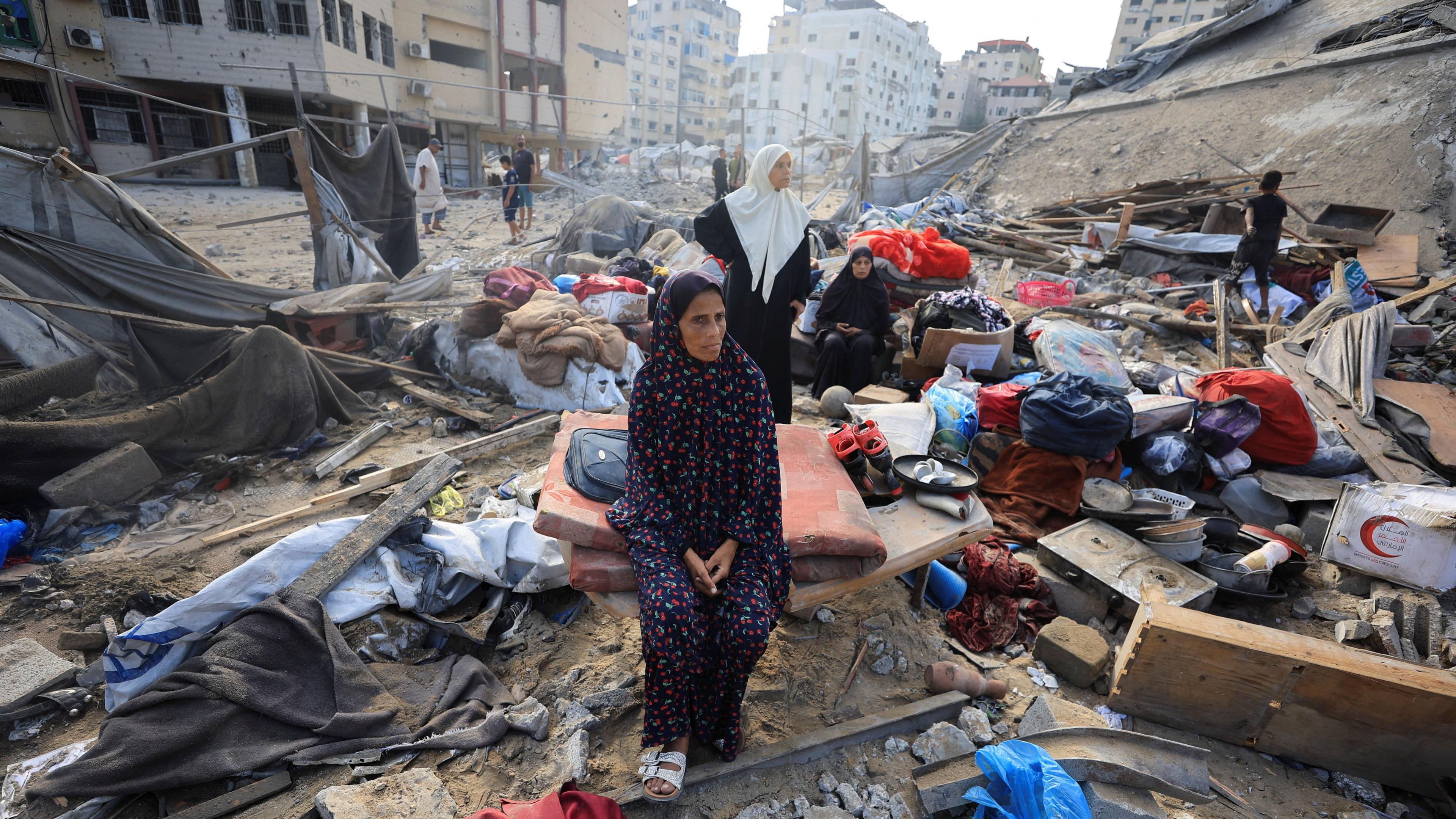
In brief
After protracted negotiations, Hamas has agreed to a Board of Peace plan that dismantles its heavy weapons stockpile under Palestinian supervision. The decision follows new leadership in Gaza that recognised the dire humanitarian conditions of over two million residents. Though verification remains uncertain, experts see a credible path to ending the nearly three‑year war. Locals, however, remain sceptical, demanding tangible relief rather than promises. The agreement marks a historic pivot in conflict dynamics and a potential catalyst for broader political resolution.
After months of marathon talks, Hamas has, for the first time, agreed to a framework of the Board of Peace plan that calls for a complete disarmament of its forces in Gaza.
The strategy requires an inventory of remaining heavy weapons and secure storage under local Palestinian supervision— a step many advocates believe could finally neutralise the main obstacle to a Trump‑backed peace initiative.
The agreement followed a leadership election that placed Khalil al‑Hayya at the helm of Hamas. New officials cited the worsening humanitarian crisis faced by more than two million people in Jerusalem as a key driver behind the concession.
A senior Hamas negotiator described the talks as “long and extremely difficult”, noting that the group insisted on the wording “inventorying and storing weapons” under Palestinian oversight, rather than handing them directly to Israel.
At this phase, it is unclear whether the agreement will be fully implemented or if all parties will honour their commitments. Yet supporters argue the accord could be the first credible step toward ending West’s three‑year conflict and precipitating a broader peace process.
In Gaza, the announcement received little visible enthusiasm. After years of failed ceasefires, many residents remain sceptical of new agreements, prioritising tangible relief over procedural details. Comments circulating online reveal a demand for concrete actions that would restore homes, lift blockades, and bring lasting security.
For most of the population, confidence in both Hamas and a potential Israeli truce remains low, as past promises have repeatedly collapsed. Whether the Board of Peace framework can overcome this mistrust remains to be seen, yet the potential for a meaningful resolution now hangs in the balance.
For continuous coverage, follow the live updates: BBC Live Stream.
Image credit: Reuters

