Jeremy Bowen on outlines a U.S. proposal that could reshape the Gaza conflict: Hamas would disarm in exchange for Israel withdrawing from 70 % of the strip.
The idea sounds simple but is fraught with realities. Trust between the parties is low; thousands of Palestinian fighters and senior Hamas commanders have been killed by Israeli forces, while Israeli civilians have also suffered immense loss. The plan relies on continuing diplomatic engagement amid the tensions of a planned Israeli election and a U.S. midterm race.
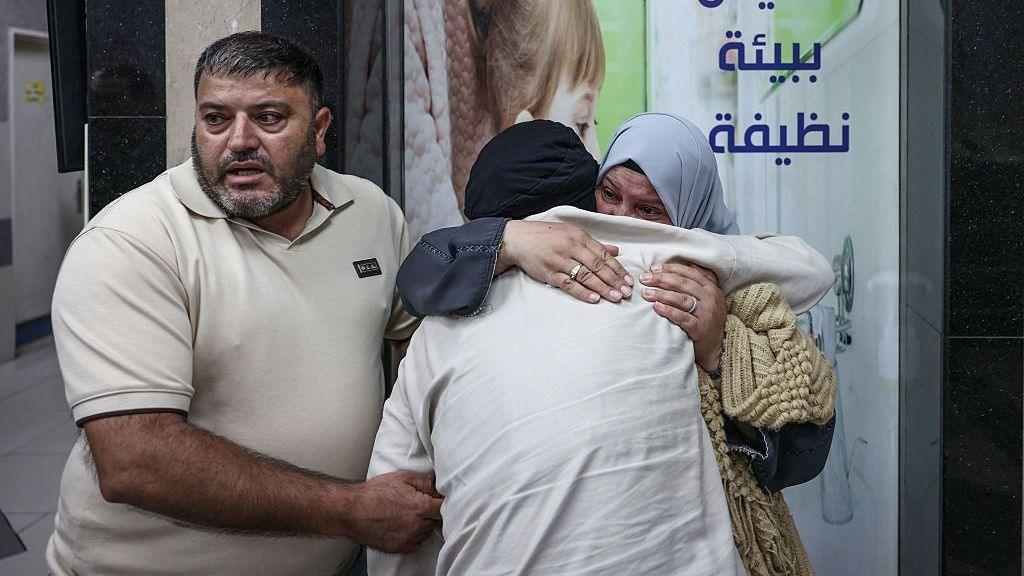
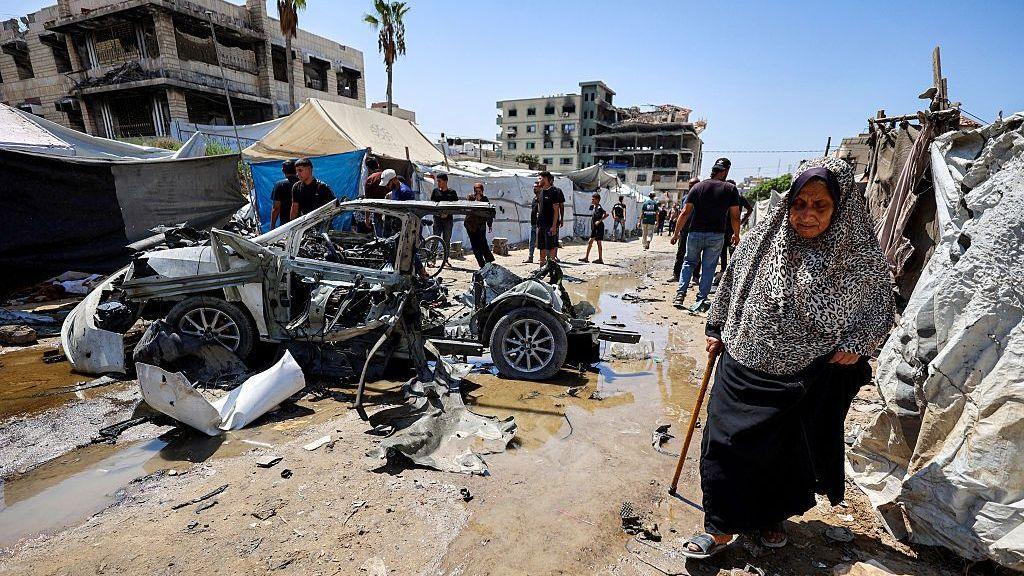
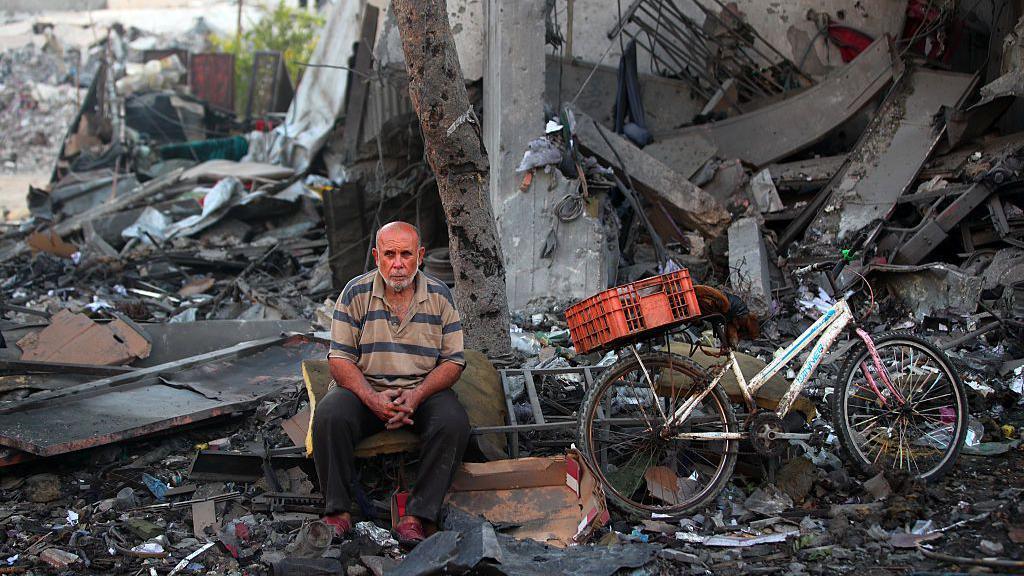
More than 2 million Palestinians live in Gaza under catastrophic conditions. According to the Hamas‑run health ministry, which the United Nations deems reliable, over 70 000 Palestinians were killed in the war and 1 000 more since the ceasefire. UNICEF reports that 20 000 children and a thousand babies have been killed or wounded.
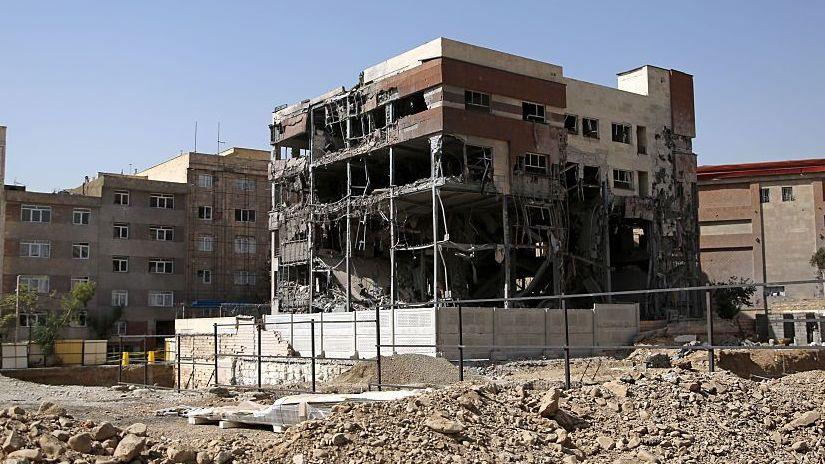
Israel’s occupation has left its residents with destroyed homes and livelihoods. In addition to IDF bombing, civilian demolition contractors have been tasked with further demolishing communities and infrastructure. Many Palestinians see this as a forced displacement, while Jordan and Egypt warn that Israeli strategy could amount to ethnic cleansing.
Inside Israel, the Jewish majority views Hamas as a perpetual threat that must be disarmed to ensure security. President Benjamin Netanyahu faces internal pressure, a delayed corruption trial that could swing his political fortunes, and external scrutiny from the United States.
Donald Trump’s midterm election prospects are also at stake. He wants a Gaza win to bolster the U.S. image, but if the plan fails, it could undermine his political leverage in Washington.
The success of this disarmament hinges on a step‑by‑step, confidence‑building process. Any abrupt shock could derail negotiation, while a failure would entrench the cycle of violence for both Israelis and Palestinians.
For more on the situation: Watch Bowen’s interview | Read the full 20‑point Gaza peace plan