Heatwave forces French winemakers to raise Champagne alcohol levels
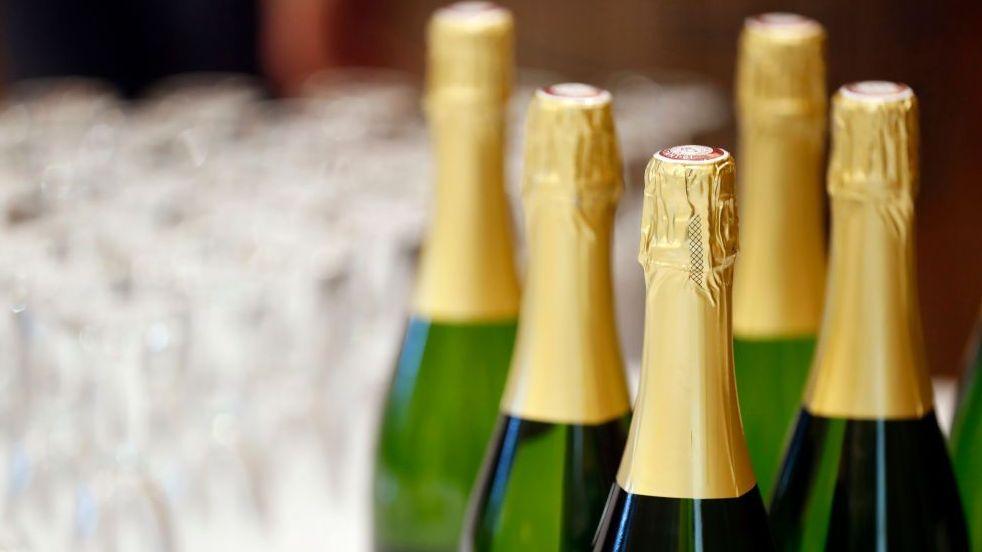
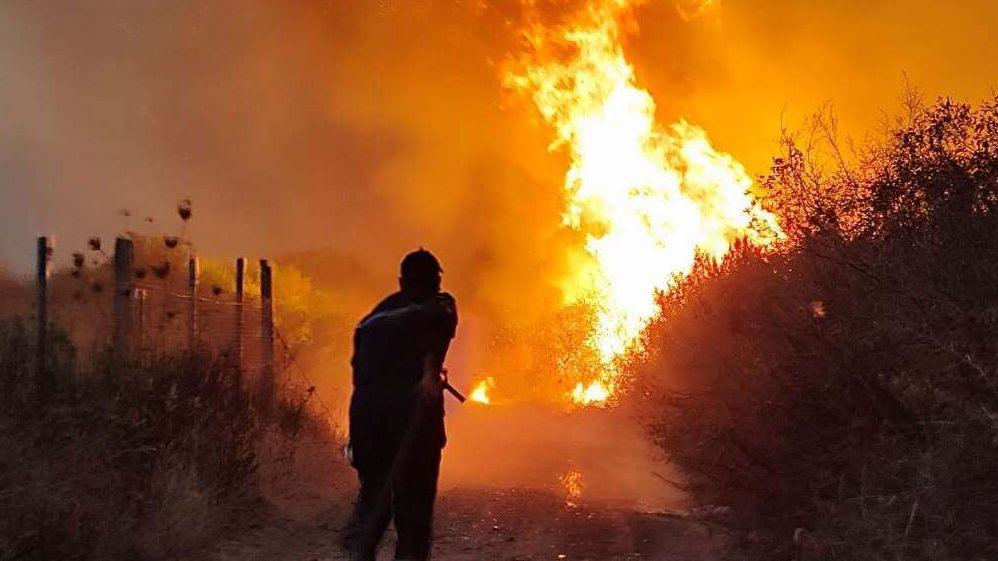
The 2026 Champagne harvest, pushed by an intense summer heatwave, forced growers to lift the regulation cap on alcohol from 13 % to 15 % for a limited number of bottles. The higher sugar content of the grapes, a direct result of scorching temperatures, produced more alcohol during fermentation.
According to a spokesperson for the Comite Champagne, about 13.1 % or 13.2 % of the wines from this harvest exceeded the normal limit. The association therefore granted a temporary, exception‑only increase to 15 % for that year.

The first grapes were harvested in early August, and the crop reached a record‑early harvest mid‑month, marking a historic shift for the Champagne region. These conditions underscore the broader climatic changes affecting Europe, where temperatures are rising twice as fast as the global average.
"This summer’s weather will probably become the norm in 10‑15 years," said Maxime Toubart, co‑chair of the Comite Champagne, echoing concerns over future heatwaves affecting viticulture.
Stéphane Vignon, a producer in Verzenay, described the trend as “the Mediterranean climate moving north” and warned that while this may not happen every year, it will become a recurring pattern.
Wine columnist Jane Anson cautioned that a higher‑strength Champagne might not win consumer hearts, noting a growing preference for lower‑alcohol wines in the marketplace.
The 2026 vintage is expected to be released only by 2028, given the mandatory 15‑month ageing for Champagne, meaning consumers will see the results later in the decade.