The continuing heavy rainfall has turned Nepal's rugged highways into thick, impassable mud, trapping aid convoys and threatening the lifeline of emergency services.
In the eastern province, a convoy of relief vehicles carrying medical kits and food supplies stalled on a stretch that once served as a corridor for rescue operations. Local civil service teams have scrambled to divert squads onto secondary roads, but these routes are equally muddy and lack adequate infrastructure to support heavy vehicles.
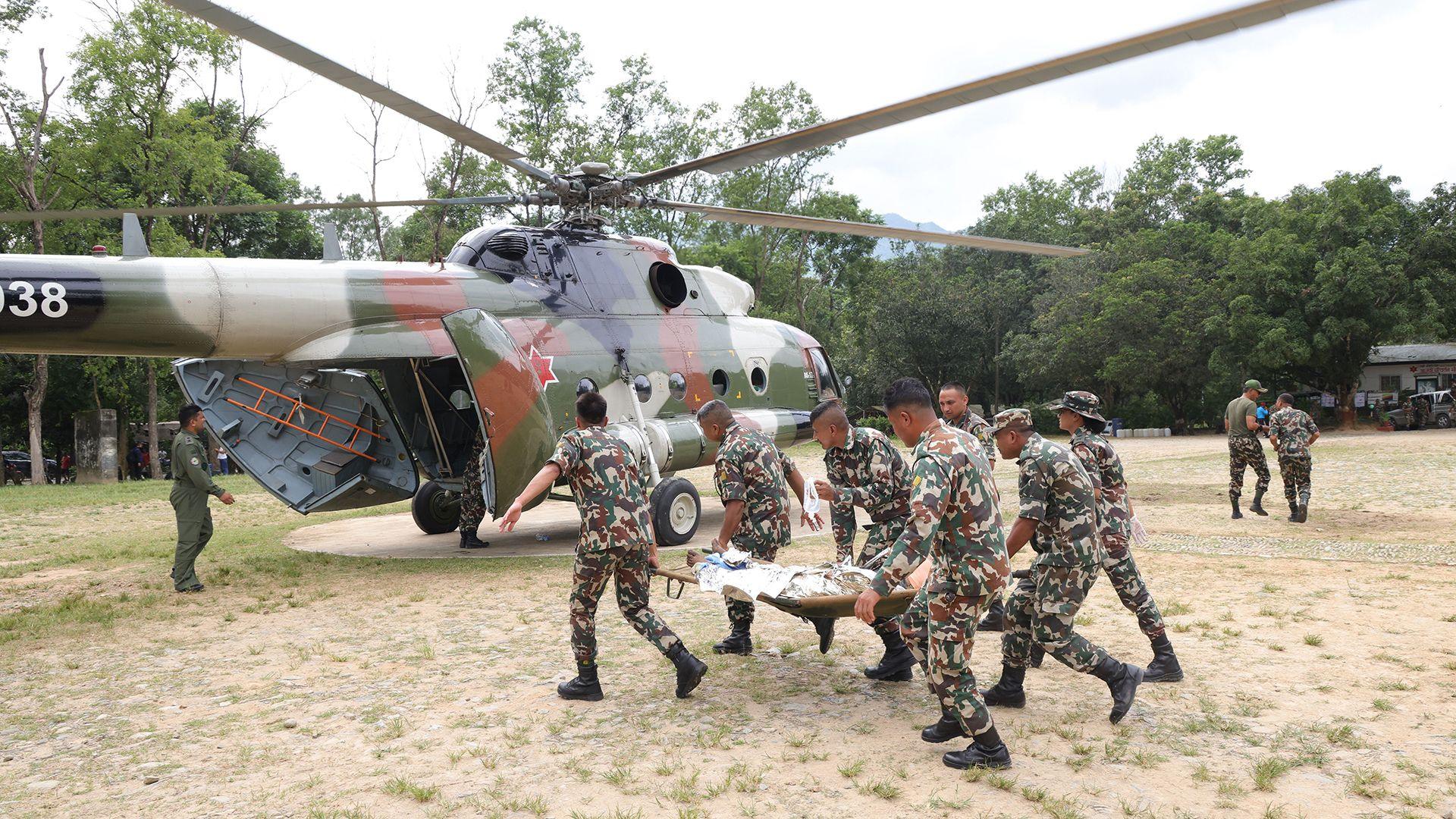
The stalling of the convoy has highlighted the vulnerability of the region's emergency response network under extreme weather conditions. While volunteers have begun hand‑carrying supplies into flooded villages, the delay could cost precious time for patients in need of urgent medical attention.
Authorities warn that further rainfall is expected, potentially worsening the accessibility crisis. Community leaders urge neighboring regions to establish contingency plans and use boats or makeshift bridges to bypass the mud‑filled roads.
The incident underscores the necessity of investing in resilient infrastructure and adaptive disaster response strategies that can withstand unpredictable weather patterns, ensuring that aid reaches those most in need even when roads are shrouded in mud.