
In brief
Yemen’s Houthi fighters have announced a series of attacks on shipping in the Red Sea, pushing vessels to detour around the Bab El Mandeb Strait. Their actions, inspired by an ongoing rise in US-Iran hostilities and Saudi‑Iran rivalries, risk choking the world's major maritime trade corridor. The strikes come amid a broader backdrop of regional instability, with Iran‑backed forces targeting Gulf states and the US seeking to secure maritime routes. If the strait is closed or its traffic severely limited, global energy and goods flows could be disrupted, raising commodity prices and tightening supply chains. A lasting diplomatic solution is necessary to prevent a spiral of violence and economic fallout.
The Houthi rebel group in Yemen has announced renewed attacks on vessels in the Red Sea, a move that could force merchant ships to reverse course and avoid the world’s narrowest shipping lane—the Bab El Mandeb Strait. This development, occurring as US‑Iran tensions swell and the Saudi government negotiates a new nuclear‑technology partnership, adds a fresh layer of danger to the already volatile Middle East.
Background: Yemeni Houthi Rise
The Houthi movement, a Shia‑aligned tribal coalition centred on Saada, seized Yemen’s capital in 2014 amid the Arab Spring and has since held most of the north and west of the country, including the port town of Hodeidah. In 2015 Saudi Arabia launched a large‑scale military campaign against them, hoping to restore Yemen’s ousted government. The Houthis have defied that pressure, maintaining a foothold that now runs along the coast adjacent to the Red Sea.
Impact on Shipping at Bab El Mandeb
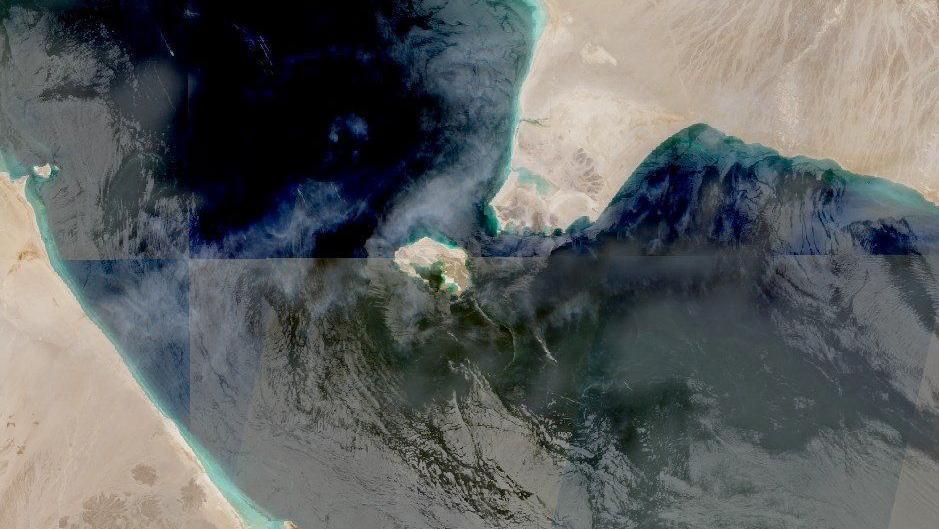
The Bab El Mandeb is a strategic waterway connecting the southern Red Sea to the Indian Ocean; it is the gateway for vessels from Europe to Asia. Recent Houthi claims of hostile intent have caused several tankers to U‑turn, diverting their routes into safer waters. While the Gulf Oil pipeline has partially offset shortages of Saudi exports, the threat of close-range attacks on shipping in the strait could still choke the flow of oil, fertilizers and other goods.
Geopolitical Tension Intensifies
The Houthi’s expansion of maritime threats coincides with persistent air strikes by the United States against Iranian coastal installations. Iran’s support for the Houthis and the US’s pledge to address the Gulf’s security concerns together create a triangle of hostility in the region. Saudi Arabia, meanwhile, has been working to distance itself from the Iran‑US conflict and to maintain its shipping lanes.
Economic Domino Effect
The Mariana trade route is a vital artery; any extended closure or significant shipping delays could drive up global energy prices and increase costs for food and chemical exports. The strait’s strategic importance means that even a temporary bottleneck disrupts supply chains, raising volatility in commodity markets worldwide.
Conclusion: Toward a Calm Solution
While the Houthis have called for a maritime embargo on Saudi shipping, the broader picture points to a need for diplomatic engagement. A negotiated settlement between the US and Iran, coupled with an agreement on safe passage in the Red Sea, is essential for preventing further escalation, protecting global trade, and preserving economic stability in the region.
