
In brief
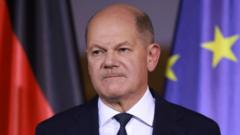
Chancellor Olaf Scholz's ruling coalition faced a dramatic breakup following the dismissal of Finance Minister Christian Lindner, throwing Germany's economic future into uncertainty as the country gears up for snap elections.
The political landscape in Germany has erupted into chaos following Chancellor Olaf Scholz's decision to terminate Finance Minister Christian Lindner, a significant figure within the ruling coalition. The incident has left the government in shambles, as Scholz now heads a minority administration with no clear majority in parliament, prompting fears about the effectiveness of governance during a critical juncture for the nation—the stalling economy.The coalition's dysfunction reached new heights after Scholz publicly criticized Lindner, accusing him of eroding trust and prioritizing party politics over national concerns. This rift has sparked widespread worry amongst EU leaders, especially with the shadow of potential political upheaval following the upcoming U.S. elections looming over discussions of foreign support, particularly for Ukraine.As opposition parties join the chorus for immediate snap elections, Scholz's attempts to navigate this tumultuous phase include a proposed vote of confidence aimed at shoring up support. However, Friedrich Merz, the leader of the Conservative party and a rival to Scholz, calls for urgent elections, citing dire needs for effective governance during crucial EU negotiations.Compounding these challenges is the ideological split within the coalition that drove the latest conflicts over economic management strategies. Scholz seeks to prioritize investments in infrastructure and climate initiatives, while Lindner's party advocates for austerity measures and reduced public spending. The contrasting visions have proven irreconcilable, leading to a broader crisis of confidence in the current leadership.As the country braces for unprecedented electoral challenges, the fallout from this coalition collapse casts a long shadow over Germany's political and economic stability, raising critical questions about the future readiness of the German government to address pressing domestic and international issues. With anti-establishment sentiments on the rise and urgent policy decisions looming, the next chapter in Germany's political saga remains fraught with uncertainty.


