Hundreds Arrested Over French Wildfires: Who Is to Blame?
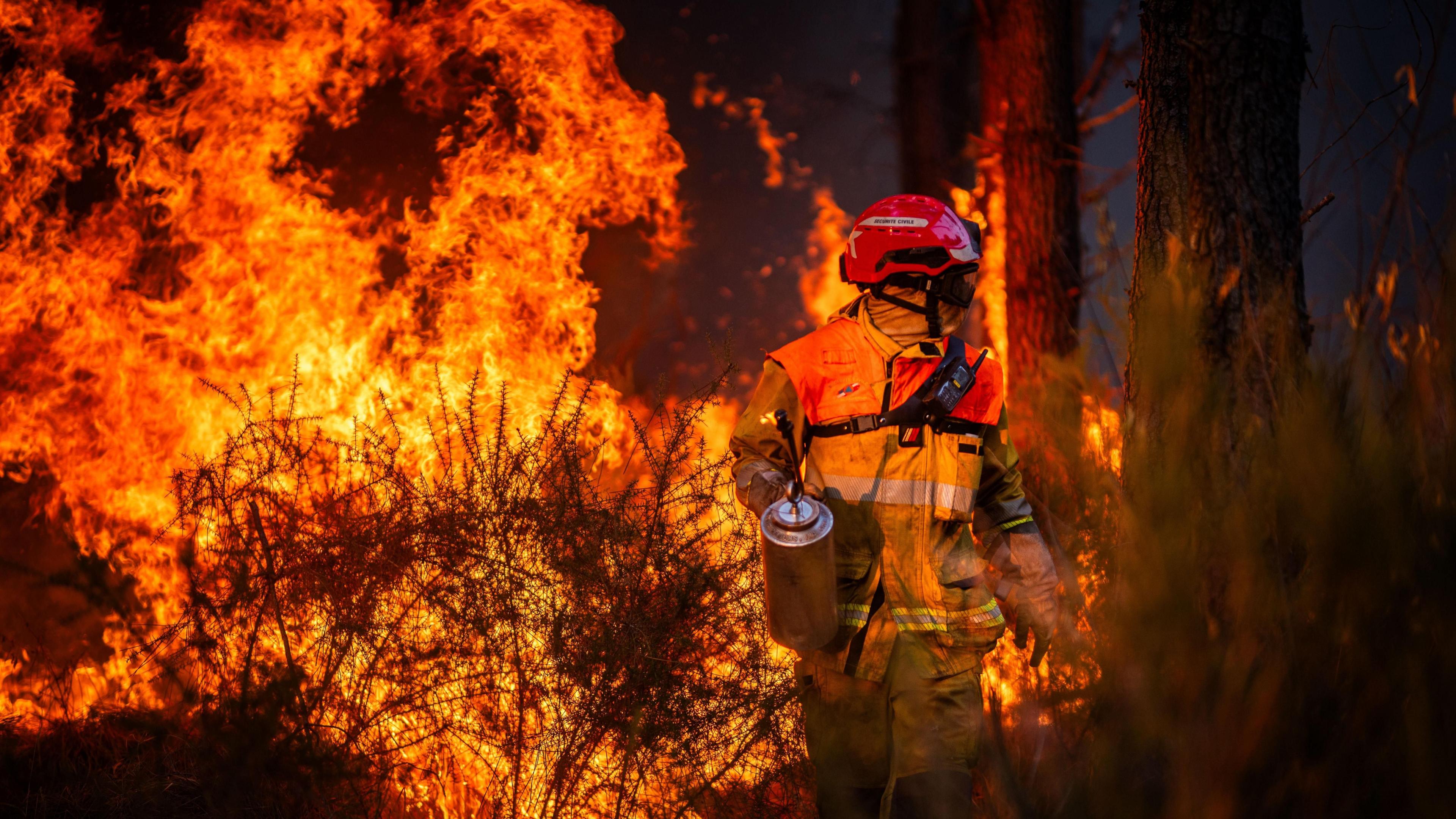
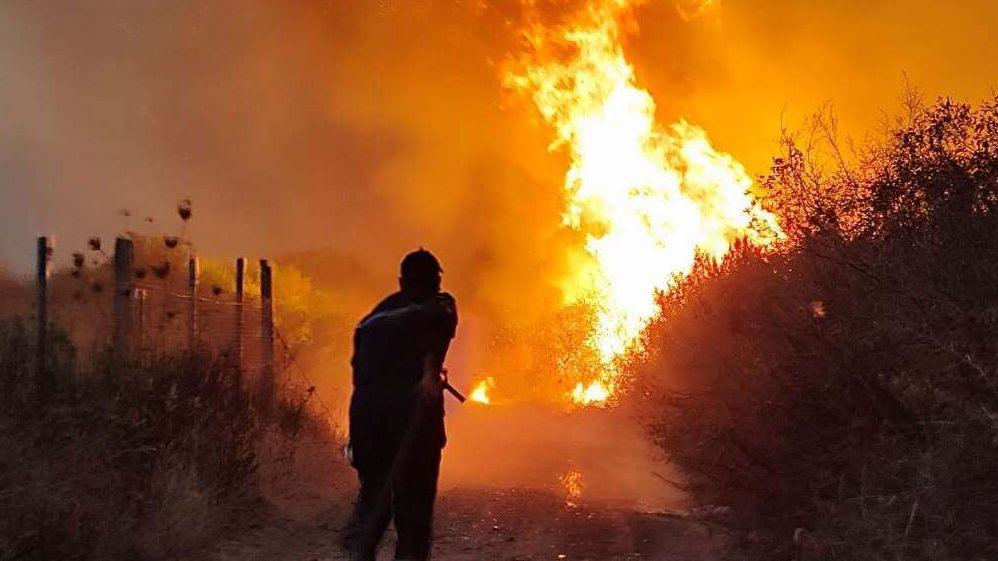
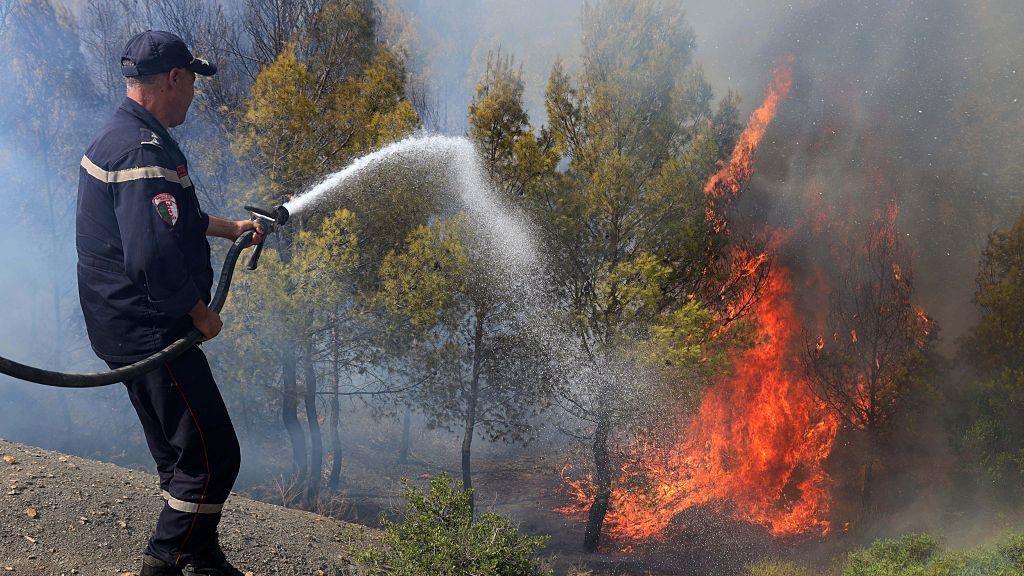
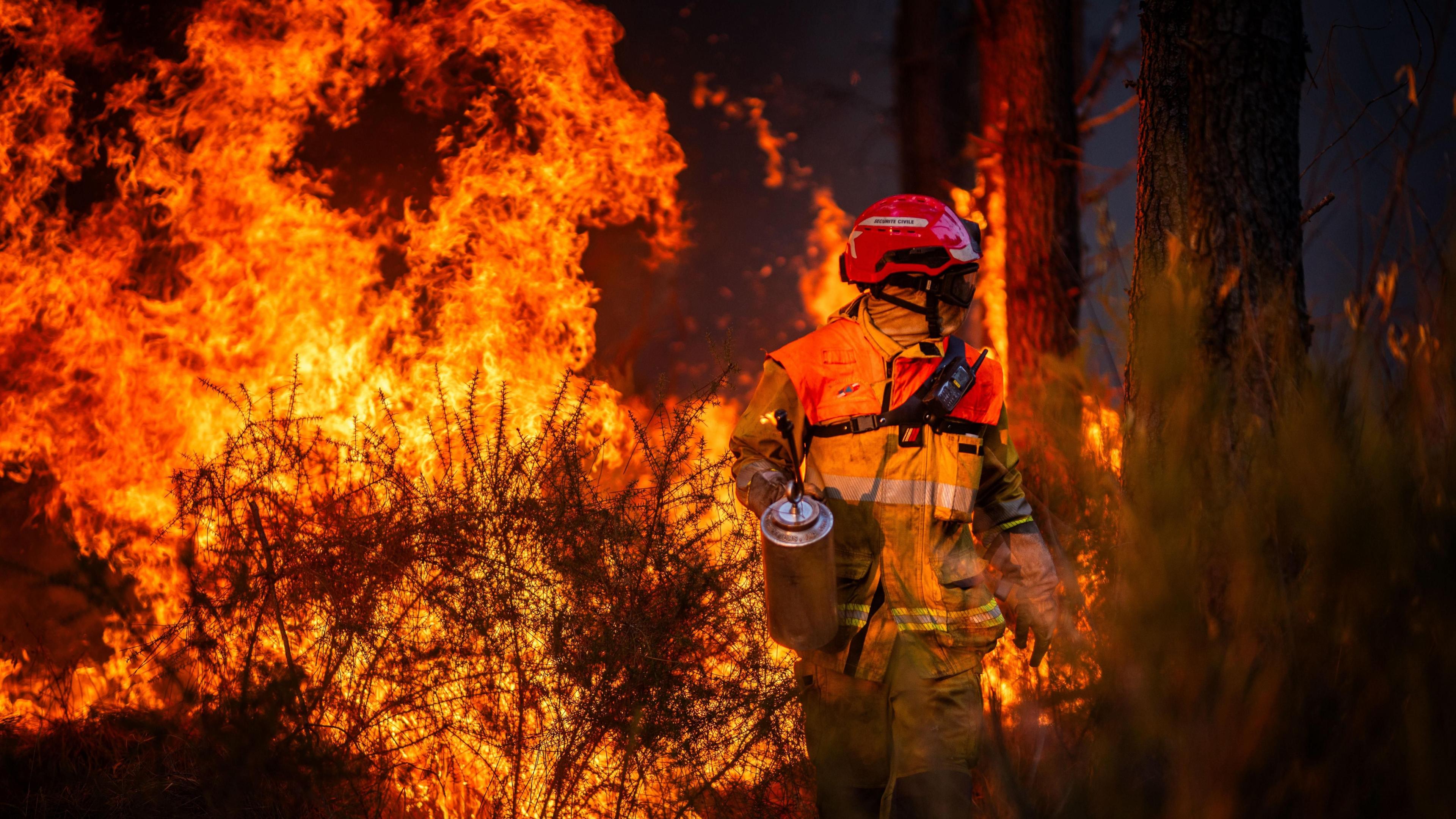
After wildfires caused more damage in France this year than at any time since World War Two, many are left asking a single question: Why?
Climate change, propelled by continued burning of fossil fuels, has pushed temperatures higher and prolonged droughts. When temperatures stay above 30ºC and humidity falls below 30%, even a cigarette butt can ignite vast tracts of forest.
Nearly nine out of ten recorded fires are attributed to human activity—whether accidental or deliberate. In response, Interior Minister Palin announced 420 arrests, including 166 minors, accused of starting or contributing to the blazes. Several suspects face prison terms and hefty fines.
Notable cases include a 23‑year‑old who allegedly started ten fires in the Var region, facing 15 years in prison and a 150,000 € fine, and a man sentenced to three years for igniting three fires in the Vosges forest. Prosecutors say even the smallest spark can start a wildfire under present weather conditions.
However, many of the prosecutions are seen as excessive. A homeless individual and an autistic person were jailed over cigarette butts; a firefighter was charged for allegedly setting a fire. Lawyer Muriel Gestas warns that many convictions will likely fall through the cracks.
Le Monde questions whether the police have thoroughly examined each case, pointing out the brief time frame between arsons and arrests. The lack of details on charges, intent, and comparative statistics makes it hard to assess the proportionality of the responses.
Prosecutor Renaud Gaudeul explains that under current conditions, any act that endangers lives—such as tossing a cigarette or lighting a barbecue—must be prosecutable. “It only takes a tiny spark to start a fire here,” he said.
Ecologists note the growing risk of arson. A study finds most fires are accidental, risen from construction mishaps, faulty equipment, and careless barbecues. Smoke from cigarettes, a “30‑rule” phenomenon, can ignite when temperature is at least 30°C, humidity under 30%, wind below 30 km/h, and about 30% of the butt remains unburnt. Drought conditions intensify this risk.
President Emmanuel Macron stresses that criticisms should not distract from urgent actions: “We will have to replant and rebuild a different kind of forest because we must adapt to the structural conditions of climate change.” He calls for national unity while environmental damages, homes, tourism and air quality remain threatened.
As France braces for another heatwave in the coming months, the country faces mounting questions about preparedness, rural safety, and the appropriate balance between public security and individual rights.