
In brief
As the 2024 presidential election heats up, Vice President Kamala Harris has pivoted from a hopeful campaign tone to a more alarmist stance against Donald Trump, whom she characterizes as seeking "unchecked power."
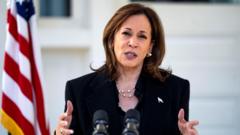
In this frenetic political landscape, Harris delivered sharp remarks in front of the vice-presidential residence, targeting her Republican rival, Donald Trump. She described him as "increasingly unhinged and unstable," referencing critical statements made by John Kelly, Trump’s former Chief of Staff, who identified Trump as fitting a "general definition of fascists." Harris elaborated that Trump aims to use "the military as his personal militia" for personal and political retribution. In response, the Trump campaign quickly rebuffed her claims, with spokesman Steven Cheung asserting that Harris was desperate and struggling, stating, "she is flailing, and her campaign is in shambles." Candidates often resort to negative campaigning in the final push of close races to energize their base and disrupt their opponent’s operations. Harris's shift in tone marks a departure from her initial optimistic approach at the campaign's outset. While she previously warned about the dangers of a Trump presidency, she generally sidestepped the incendiary rhetoric that President Joe Biden regularly employed. Political strategist Matt Bennett noted that Harris's current strategy seeks to amplify Kelly's critiques strategically, thereby broadening voter awareness of Trump's potential threats to democracy. Harris's remarks are especially focused on appealing to independent voters and moderate Republicans in key battleground areas, aiming to draw in disenchanted Republicans who are hesitant to support Trump again. The suburbs surrounding urban centers in states like Pennsylvania, Michigan, Wisconsin, and Arizona are crucial, as they typically house well-educated professionals whose allegiance to Republicans could be swayed due to doubts about Trump's character and policies. Although some independents, like 20-year-old Nebraska voter Devynn DeVelasco, express openness to supporting Harris, she highlights the fatigue surrounding persistent allegations against Trump, suggesting that such claims may not resonate anew. On the opposing side, Republican strategist Denise Grace Gitsham posits that voters who dislike Trump already lean towards other candidates based on policy rather than personality. As both Harris and Trump ramp up their verbal attacks, the stakes grow higher. Harris made several dire warnings regarding the implications of a Trump re-election, specifically concerning rights and policies pivotal to voters. Looking ahead, she is scheduled to rally in Texas, where she emphasizes the state's significance in the debate over abortion rights, followed by an event in Washington, D.C., signaling a robust campaign effort as they near the election.Trump has countered with his own critiques, labeling Harris as "lazy" and "stupid," attributing her success to her identity rather than merit, while also warning of dire consequences if Harris emerges victorious. The back-and-forth has sharpened as both candidates seek to secure their respective bases and sway moderates, with the outcome of this intense election cycle remaining to be seen. Harris's calculated approach towards appealing to anti-Trump sentiments may be pivotal in influencing voter turnout on Election Day amid a deeply divided political landscape.


