
In brief
The Department of Homeland Security has announced a $20 million purchase of the Generated Low Output Voltage Emitter, a glove that can deliver up to 380 volts of electricity to suspects. While DHS says the device will augment its existing tools, critics argue it could be used to inflict excessive force, especially on vulnerable populations. Civil‑rights organisations including the ACLU have condemned the move, citing past deadly incidents involving ICE agents. The gloves, which can fire up to 30 pulses per second, include a microprocessor that logs each activation and require every user to be trained and recertified every two years. The procurement raises fundamental questions about accountability, legality and public safety in immigration enforcement.
The Department of Homeland Security announced it intends to spend up to $20 million on the Generated Low Output Voltage Emitter (GLOVE), a pair of gloves that can deliver up to 380 volts of electricity to a suspect’s skin. The device can fire up to 30 pulses per second and records each activation via a built‑in microprocessor.
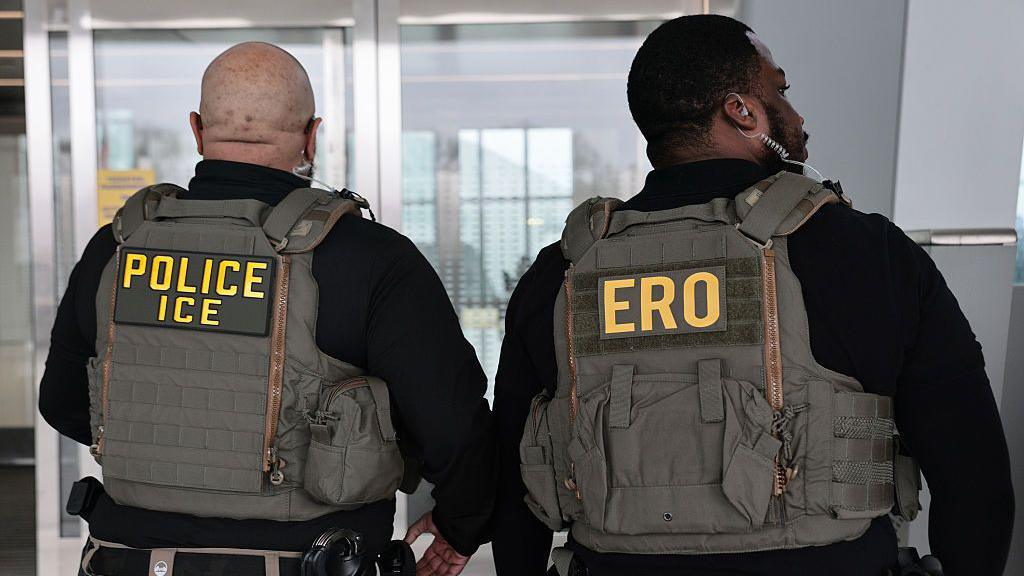
According to the DHS note, the gloves will be issued to agents in Homeland Security Investigations (HSI) and Enforcement Removal Operations (ERO), which monitor transnational crime and process deportations. DHS says the equipment is designed to supplement existing tools “in accordance with all applicable law enforcement policies and standards.”
Despite the official assurances, the Americans Civil Liberties Union and other advocacy groups warn the gloves could enable silent, covert violence. “Giving immigration agents a concealed means of delivering terrible pain is a recipe for more harm to the public and less accountability,” said Jenn Rolnick Borchetta, deputy director of policing at the ACLU.
The GLOVE manual advises against use on elderly people, small children, pregnant women and the severely handicapped, and states that a second officer must restrain the subject during activation. Users must complete training and be recertified every two years, and must weigh the risk/benefit before each use.
This move comes amid growing scrutiny of ICE’s enforcement tactics. The agency has faced criticism after fatal shooting incidents, including the death of Mexican national Lorenzo Salgado Araujo in Texas and the killing of Colombian national Johan Sebastián Durán Guerrero in Maine. Critics argue that such incidents already reveal a culture of excessive force, and that the introduction of an electric‑shock glove could exacerbate the problem.
The procurement, which could be finalized as a no‑bid contract within a week, raises important questions about transparency, accountability and public safety. Citizens are calling for stricter oversight, independent investigations, and a clear legal framework before the gloves are deployed in the field.



