In brief
Sea ice loss in East Greenland has unlocked new feeding grounds for large whales, with surveys recording a rapid rise from zero sightings in 2006 to 150 in 2024. Researchers used ship‑based, aerial and satellite tracking data to confirm that the three species consume an estimated 800,000 tonnes of fish and krill during the summer. While the whales may thrive, species such as narwhals and belugas face habitat competition. Published in Frontiers in Marine Science, the study highlights how climate change reshapes marine ecosystems and raises management concerns for a wildlife‑and‑hunting region.
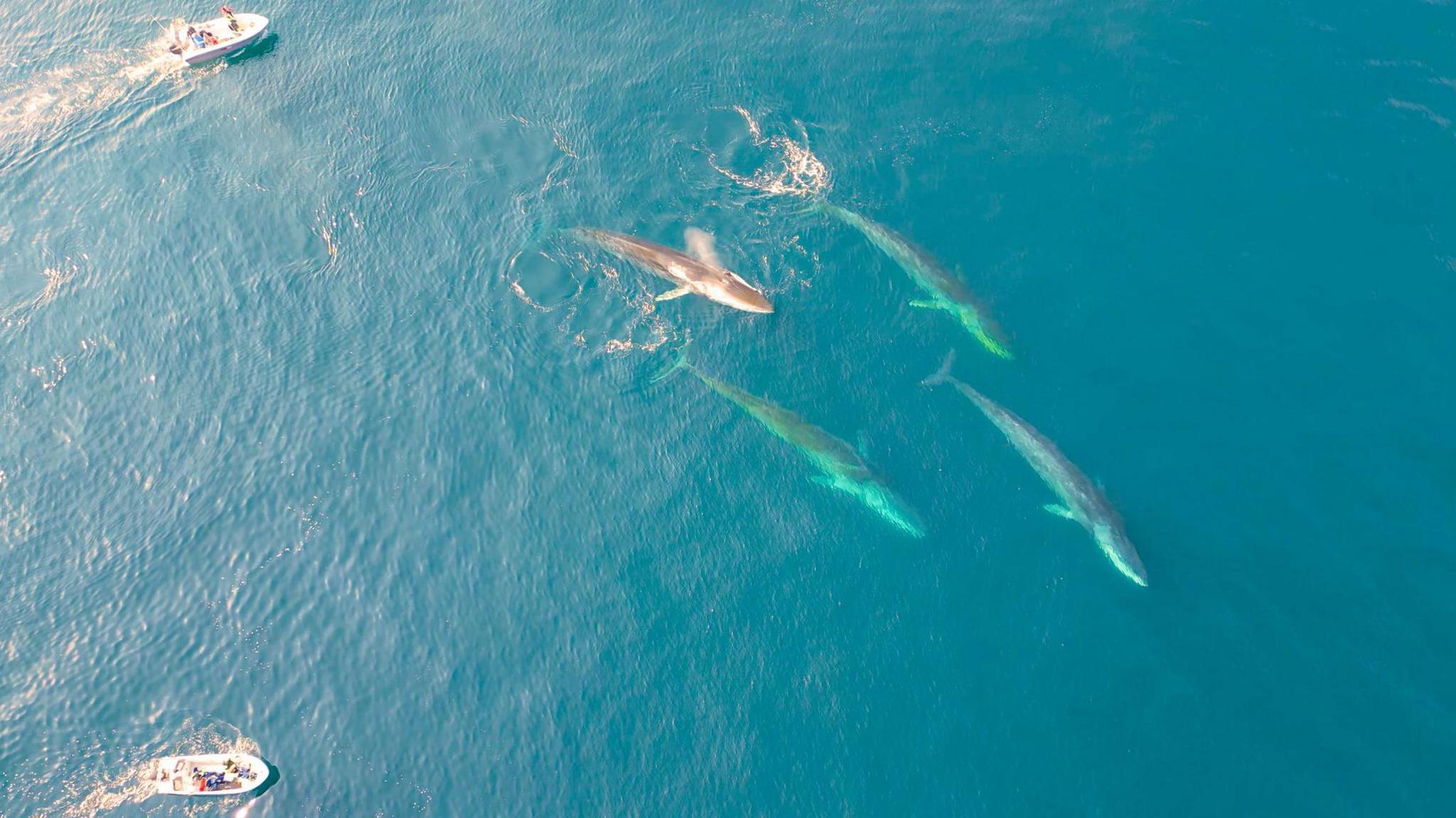
Sea ice that once sealed the East Greenland coast from large whales has retreated, allowing humpbacks, minke and fin whales to venture into previously inaccessible waters. A decades‑long study combining ship‑based, aerial and satellite surveys confirms the shift.
The first whales seen by researchers in 2006 rose to seven in 2007, climbing to 150 sightings in 2024. Satellite tags and tradition accounts from local hunters support that the whales now spend summer months feeding in the newly open seas.
Scientists describe the change as a major ecological regime shift, estimating that humpback, fin and minke whales consumed at least 800,000 tonnes of fish and krill during the 2024 feeding season. The movement follows warming waters and a shift in food resources into East Greenland.
While the whales appear to benefit, other Arctic species such as narwhals and belugas are losing habitat, potentially facing competition for resources. The study, published in Frontiers in Marine Science, underlines the mixed impact of climate change on marine life and the need for careful sea‑management policies.