Iceland Faces Tight Referendum: Will It Reopen EU Accession Talks?
On Saturday, Iceland’s electorate cast their ballots in a referendum that may set the direction of the country’s future economic and security policy. The key question is whether Iceland should resume negotiations for membership of the European Union – a process paused back in 2013 after the country’s historic decision to halt talks.
What the Vote Means
A Yes vote does not guarantee immediate entry. Instead, it signals a willingness to negotiate a comprehensive accession treaty – an agreement that, if approved by a second referendum and Iceland’s parliament, would join the customs union and ultimately the euro zone. A No vote leaves the door open for future negotiations but preserves current sovereignty arrangements.
Key Issues at Stake
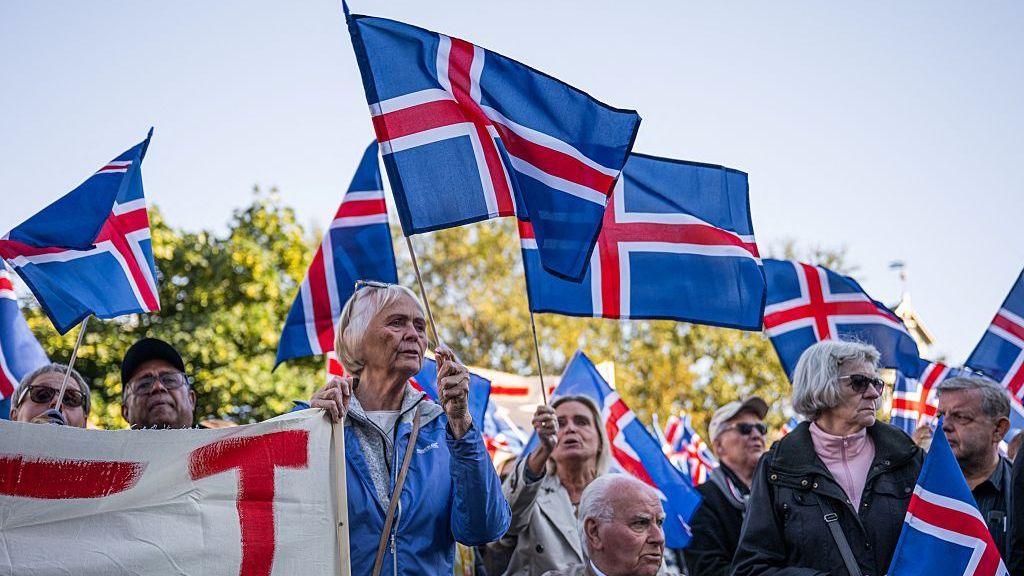
The most heated debate centers on fisheries. Under EU rules, Iceland would need to integrate its catching quota within the Common Fisheries Policy, a move that could reduce exclusive control over the rich fishing grounds that generate roughly 40% of national exports. The No campaign argues that the Icelandic sea bases would be placed under Brussels’ jurisdiction, a line that proponents vow would be a catastrophic loss of autonomy.
Economically, the Yes side claims that closer ties would reduce high interest rates and high living costs, citing a 5.6% inflation rate and 8% borrowing rates that burden citizens. The No side stresses that the political and procedural hurdles of integration, such as constitutional amendments, make the decision a dangerous gamble.
Security and Geopolitical Dimensions
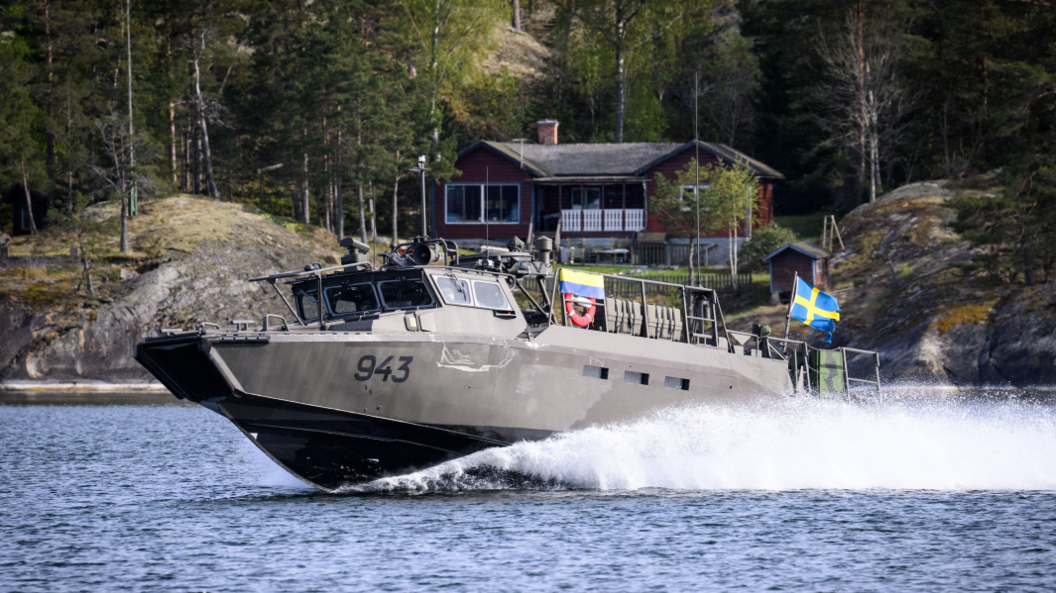
Iceland remains a founding member of NATO, but without a national defence force it relies heavily on the United States under a 1951 defence agreement. The No campaign points out that EU membership will not replace this defence partnership or compensate for the loss of security autonomy. Recent naval incidents near Iceland’s waters, and the U.S. President’s interest in Greenland, have heighted concerns over external control that many Icelanders see as indivisible from sovereignty.
Campaign Voices
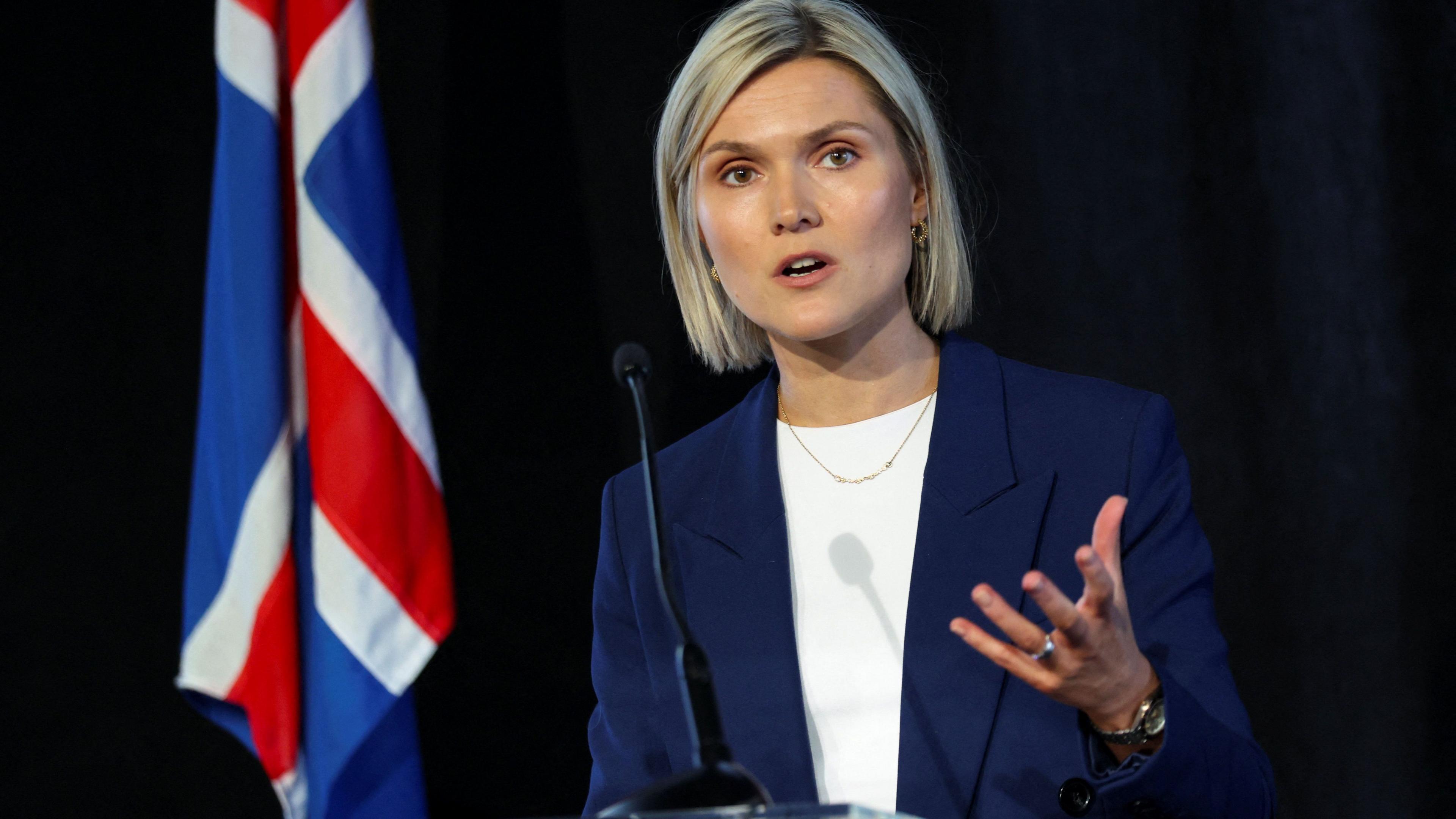
Prime Minister Kristrún Frostadóttir, leading the Yes side, framed the vote as an opportunity for risk‑reduction and economic recovery, stressing that Iceland has already ganged all rule‑sets within the EU’s single market and Schengen border‑free zone. She emphasised that a No vote would be respected and would not preclude future talks.
Opposition leader Guðrún Hafsteinsdóttir, at the head of the No coalition, focused on the notion that the referendum primarily tests whether Icelanders want to cede policy power—particularly over fisheries, agriculture, and natural resources—to Brussels. She insisted that “the decision is about returning decision‑making powers to a foreign city.”
Vote Outcome
The result will be announced early Sunday, after voting concluded at 22:00 GMT. With a 51.6% lead for the No side in the latest poll, the split remains one of the narrowest in Iceland’s democratic history. In a country of fewer than 400,000 citizens, a single thousand‑vote swing could influence the outcome.
Beyond the immediate outcome, the referendum signals a broader debate about Iceland’s identity: whether its future should be oriented toward deeper integration with the European project or the preservation of historic independence and control over natural resources.