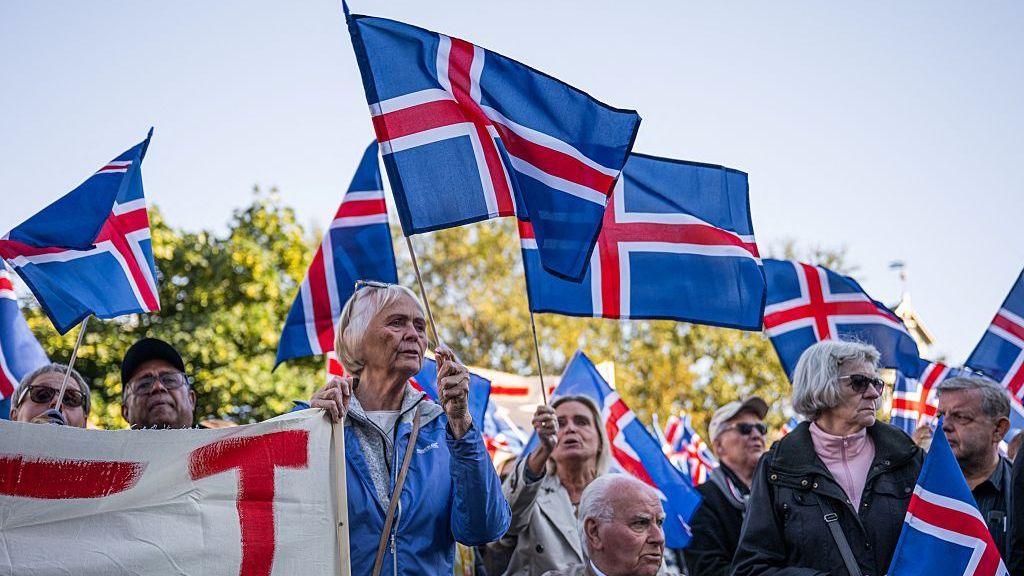
Iceland Faces Tight Vote on EU Accession
Iceland is holding a referendum to decide whether to restart negotiations for European Union membership, thrusting the issue of sovereignty, fisheries and security into the spotlight. Polls show a razor‑thin margin, with the No campaign currently leading at about 51.6 %.
What the Vote Is About
The ballot question is: "Should Iceland resume accession negotiations with the European Union?" Even though the country already enjoys access to the EU’s single market and Schengen zone through the European Economic Area, a formal membership would integrate Iceland into the customs union and, eventually, the euro.
Talks had been halted in 2013 but 27 of 35 negotiation chapters had already started and 11 were provisionally complete. A Yes vote would signal a move toward a deeper partnership; the final adoption of an EU treaty would still require a second referendum, parliamentary approval, and constitutional amendments, and must be signed off by all EU member states.
Key Issues Under Debate
Fisheries dominate the debate. Iceland’s marine sector accounts for nearly 40 % of its exports, and the nation has historically defended its fishing rights – famously winning the Cod Wars with the UK. The EU’s Common Fisheries Policy threatens wider sharing of maritime waters, leading many to fear a loss of control. Experts argue that Iceland could negotiate an exemption, but the possibility remains the biggest obstacle to any agreement.
Economically, Iceland boasts the fifth highest GDP per capita in the world, yet interest rates sit at 8 % and inflation around 5.6 %. Pro‑EU supporters claim EU membership could help lower rates, bolster trade and ease financial pressures.
Security Concerns
Despite being a founding member of NATO, Iceland maintains no standing army and relies on allied forces for defence. The U.S. has a bilateral defence agreement since 1951, and Iceland’s security is considered largely a partnership of NATO and the U.S. Constitution.
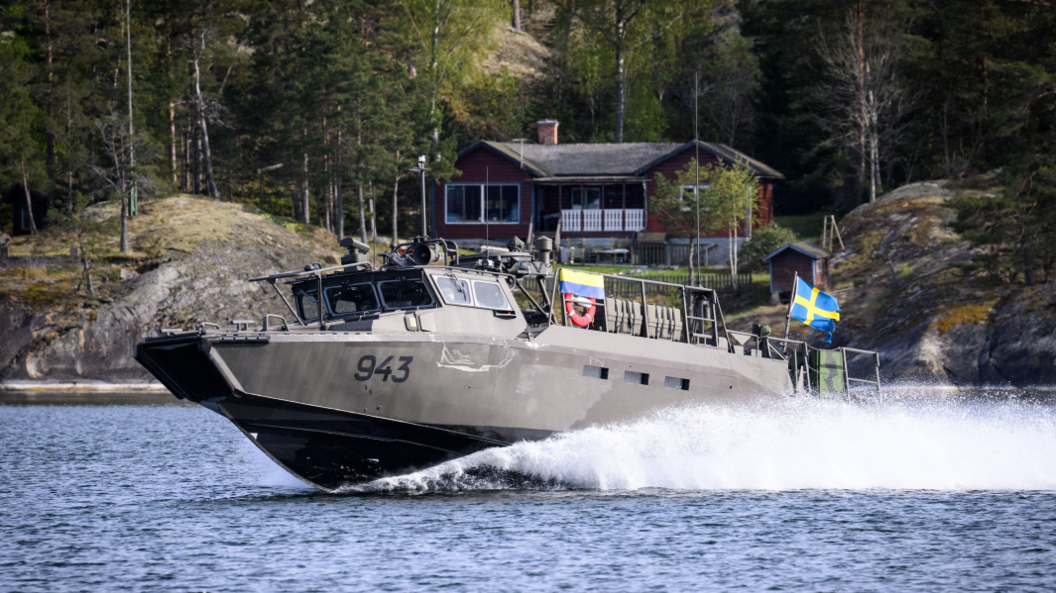
In addition, the recent Russian naval activity near the island and the US President’s confusion over Greenland and Iceland have heightened concerns about maritime security. A recent EU‑Iceland security partnership offers a shared defence framework and emphasises a values‑based anchor for Iceland’s future.
The Campaigns in Focus
Prime Minister Kristrún Frostadóttir leads the Yes campaign, arguing that EU membership would reduce risks and deepen integration. Leading the No side is Guðrún Hafsteinsdóttir, chair of the opposition Independence Party, who stresses that the referendum centres on transferring decision‑making powers for fisheries, agriculture and natural resources to Brussels.
Both sides participated in a televised debate: the Prime Minister emphasized the already‑well‑integrated relationship with the EU and pledged that a No vote would be respected, while the opposition leader portrayed the vote as one of sovereignty and resource control.
Although geopolitics influenced the government’s decision to expedite talks, most commentators note that the campaign has largely steered the conversation away from defence and into economic and sovereignty issues.

Voting runs from 09:00 to 22:00 GMT on Saturday, with results expected early Sunday. Over a fifth of voters have already cast ballots during early voting, indicating a highly engaged electorate. The outcome will determine whether Iceland takes the next step toward full EU membership or opts to maintain its current position as an EEA partner.