India’s Exam Leak Crisis: Will Digital Tests End the Scandal?
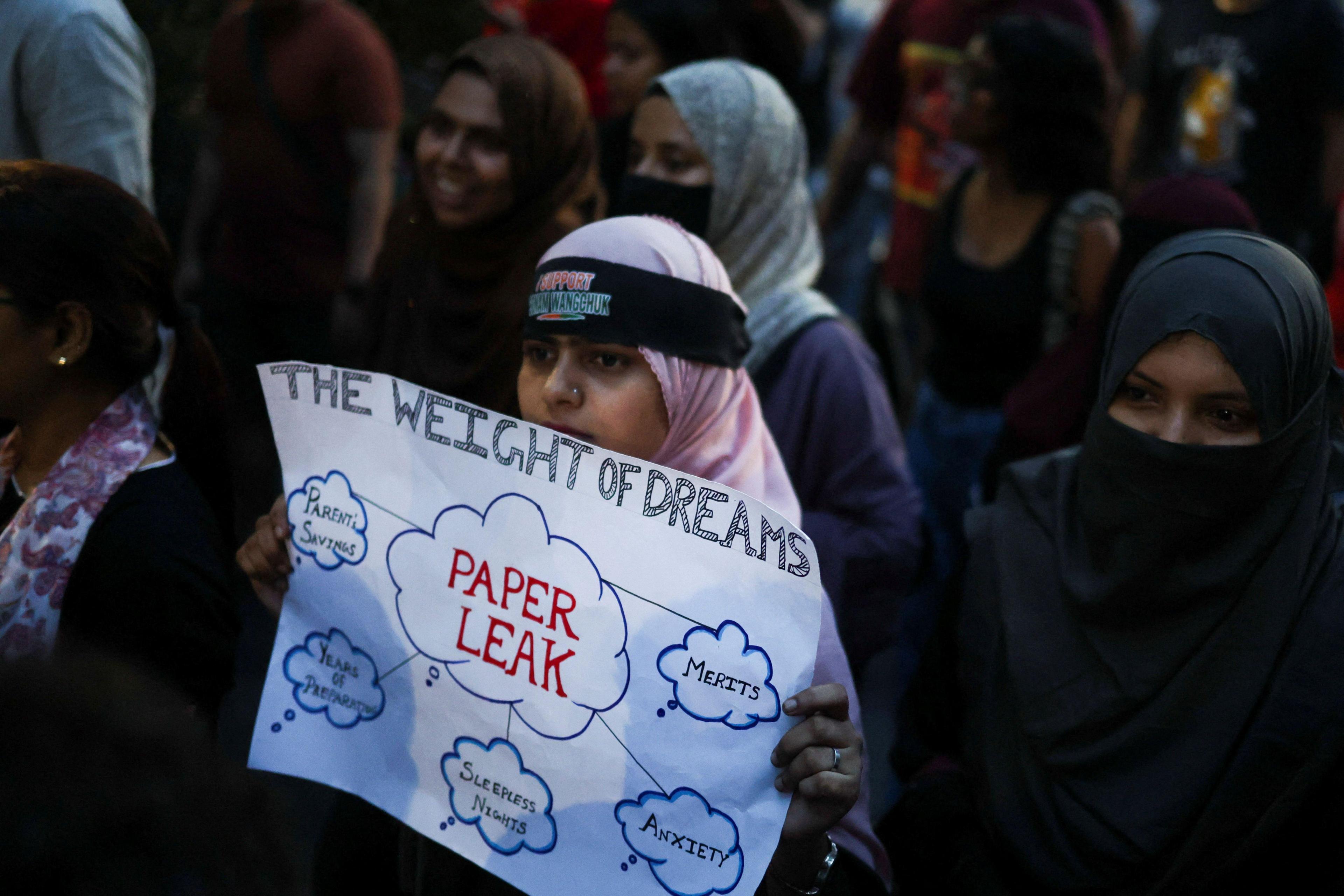
Every July, thousands of parents and students march to Parliament demanding the resignation of ministers after NEET paper leaks tarnish the credibility of India’s most coveted entrance exam. The scandal has hurt more than educational policy; it has claimed lives, with families attributing the tragic suicides of over twenty students to the crisis.
The Supreme Court has acknowledged that computer‑based testing (CBT) can enhance security, but it cautioned that technology alone cannot eliminate the systemic distrust that underpins the leakage problem. This echoes the concerns of a director at IIT Madras, who argues that the real vulnerability lies in the people who design and monitor papers, not in the paper itself.
CBT would sidestep key points where breaches occur – the printing, transport and storage of millions of paper copies – by making exams wholly digital. Yet India can currently seat only about three hundred thousand candidates in one CBT session, far short of the 2.2 million who sit NEET in a single day. Moving to CBT therefore requires either massive infrastructure investment or dividing the exam into multiple sessions.
Experts also warn that digital exams can expose students to new inequities: those with better access to technology and coaching can outperform peers who rely on weaker resources. Technical failures such as hardware malfunctions can further disrupt the test experience.
Beyond the exam format, the fundamental issue remains that a single high‑stakes test offers a huge incentive for cheating. A balanced solution would involve tighter governance – stricter audits, clear accountability, and multiple equivalent papers – as well as alternative pathways into higher education that dilute the weight of a single entrance test.
With the next season of exams looming in December, the task force’s recommendations will be judged not only by how many tests move online but, more importantly, by whether students can once again trust that the system is fair and transparent. Only a comprehensive overhaul that blends technology, governance, and equitable access can hope to end the exam leak crisis.