In brief
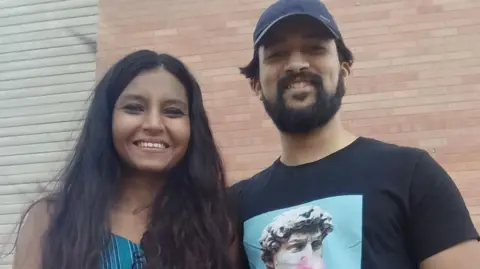
An Indian couple studying in the US, Aditya Prakash and Urmi Bhattacheryya, received a $200,000 settlement from the University of Colorado, Boulder, after accusing the institution of racial discrimination. Their legal battle began after an incident where Prakash was harassed for microwaving palak paneer, resulting in financial and academic repercussions for both students.
A dispute that began over heating a dish in a microwave has culminated in a landmark settlement for two Indian students who faced significant discrimination at a U.S. university.
Aditya Prakash and his fiancée Urmi Bhattacheryya have secured a $200,000 settlement from the University of Colorado, Boulder after filing a civil rights lawsuit alleging a series of microaggressions and retaliatory actions following the microwave incident.
The trouble began when Prakash, a PhD student, heated palak paneer—a traditional Indian dish—in a campus microwave. A staff member allegedly objected to the smell, sparking a series of discriminatory actions against the couple, including loss of research funding and teaching roles.
In a statement, the university acknowledged the lawsuit's gravity but refrained from commenting specifically on the allegations due to privacy concerns. They emphasized their commitment to maintaining an inclusive environment for all students and staff.
For Prakash, the lawsuit was not merely about financial recompense but about standing against discrimination tied to cultural identity. He emphasized that the actions reflected systemic biases faced by many ethnic communities regarding food.
This incident has stirred conversations on social media in India, with many sharing their similar experiences of food racism abroad. Additionally, the couple highlighted that discrimination over food is prevalent domestically in India as well, especially against marginalized groups.
The legal battle concluded in September 2025 with the university denying any liability yet agreeing to settle to avoid a lengthy trial. The terms stipulate that the students will receive their degrees but cannot pursue further studies at the university.
Reflecting on their experiences, Prakash recounted past incidents of discrimination tied to his heritage, expressing a poignant awareness of how food and cultural identity significantly influence acceptance in various societies.