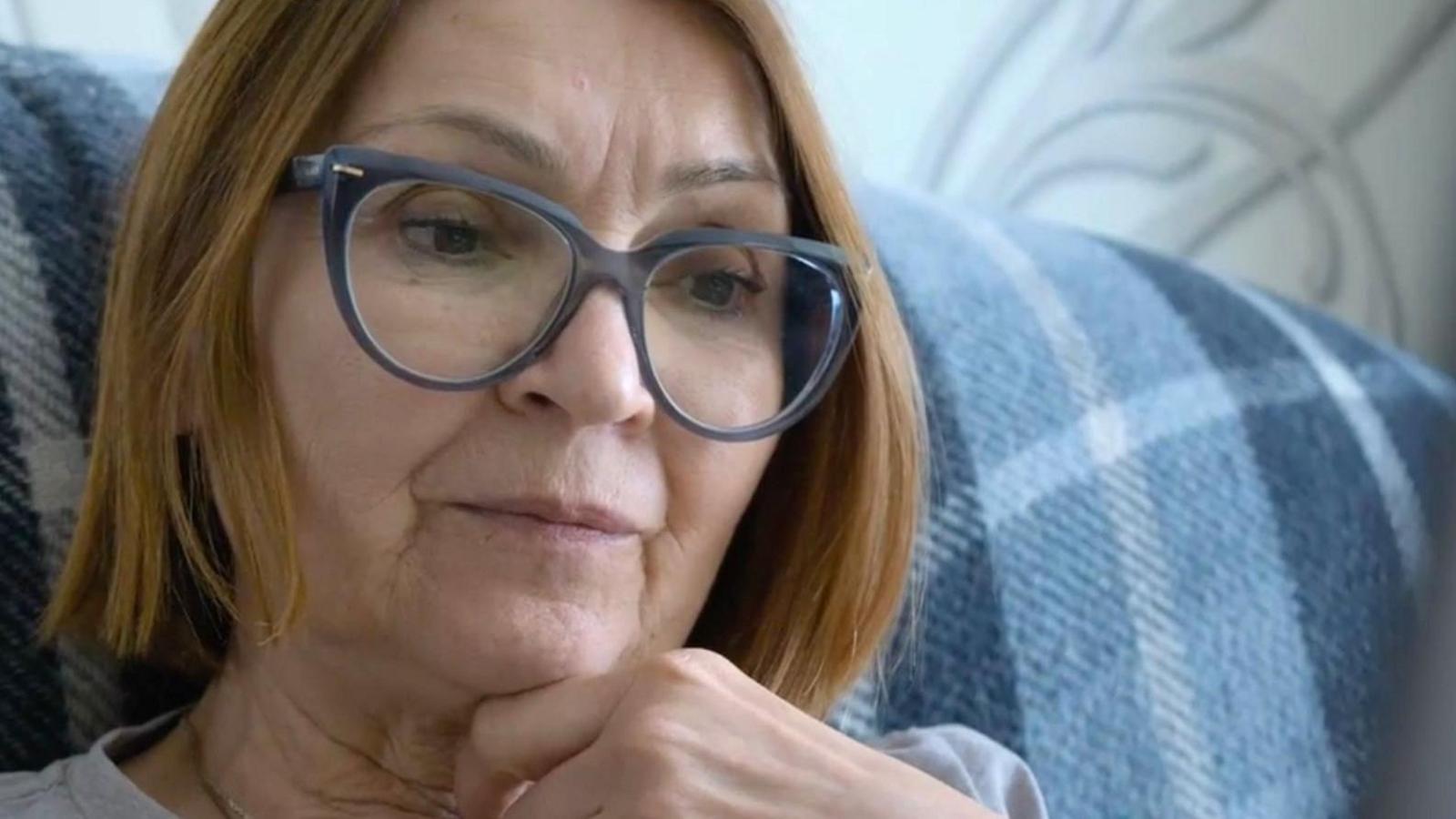
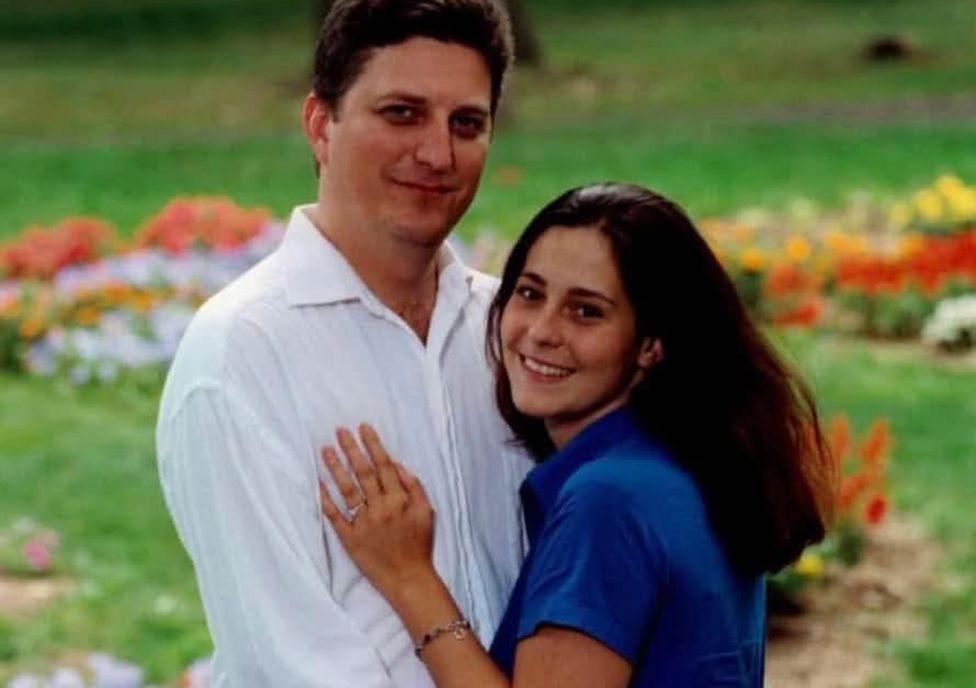
The BBC’s investigative team, in partnership with Ukrainian open‑source investigators Bohdan Kosokhatko and Vladyslav Chyryk, has identified the men behind some of the most brutal detention centres in Russian‑occupied Ukraine. During a 2022 prisoner exchange, the 64‑year‑old former safety engineer Liudmyla Huseinova was freed after suffering three years of captivity in the Izolyatsia detention centre, a former factory turned horrorscapes of violence.
According to Liudmyla, soldiers—among them former Ukrainian traffic policeman Yurii Temerbek— seized her and forced her into the back of a vehicle. Two weeks later, she recounts an assault by a male guard, who violently threatened her and forced her to consume food mixed with soil, illustrating the systematic cruelty revealed by the UN’s Office of the High Commissioner for Human Rights.
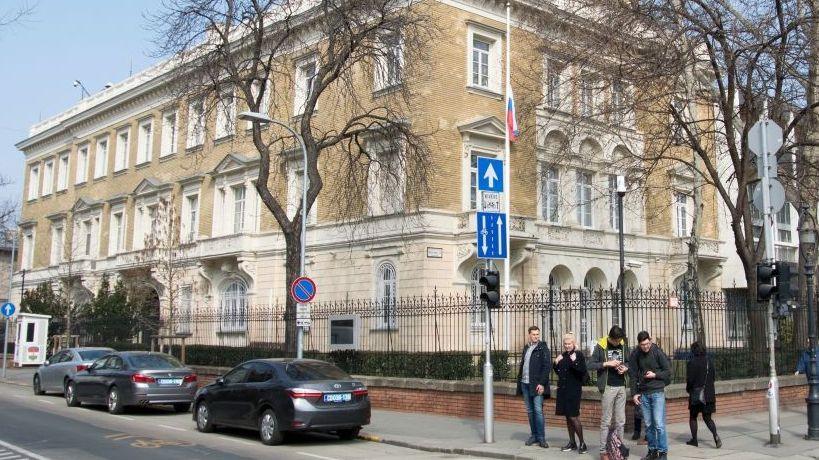
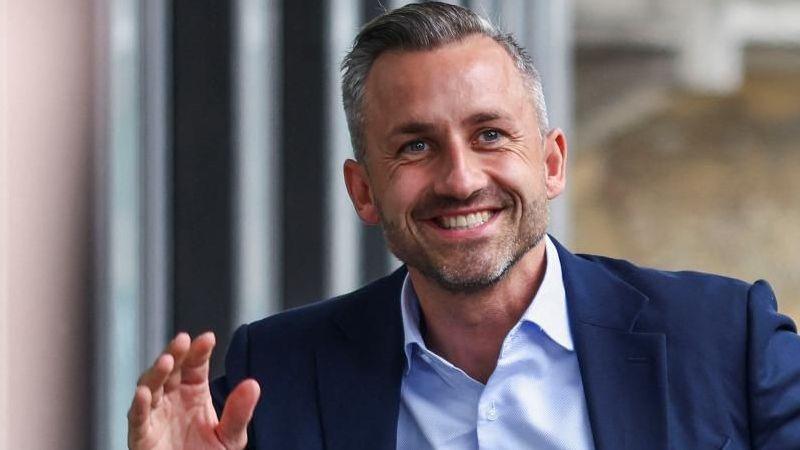
The BBC article also identifies Russian‑acquired Ukrainian police officer Ruslan Yeriomichev, known locally as “Yermak,” and Andrey Spivak, a former Omsk policeman who ran a Kherson detention centre. These men are still freely living in Russia and former occupied territories, unpunished for alleged abuse of civilians during the conflict.
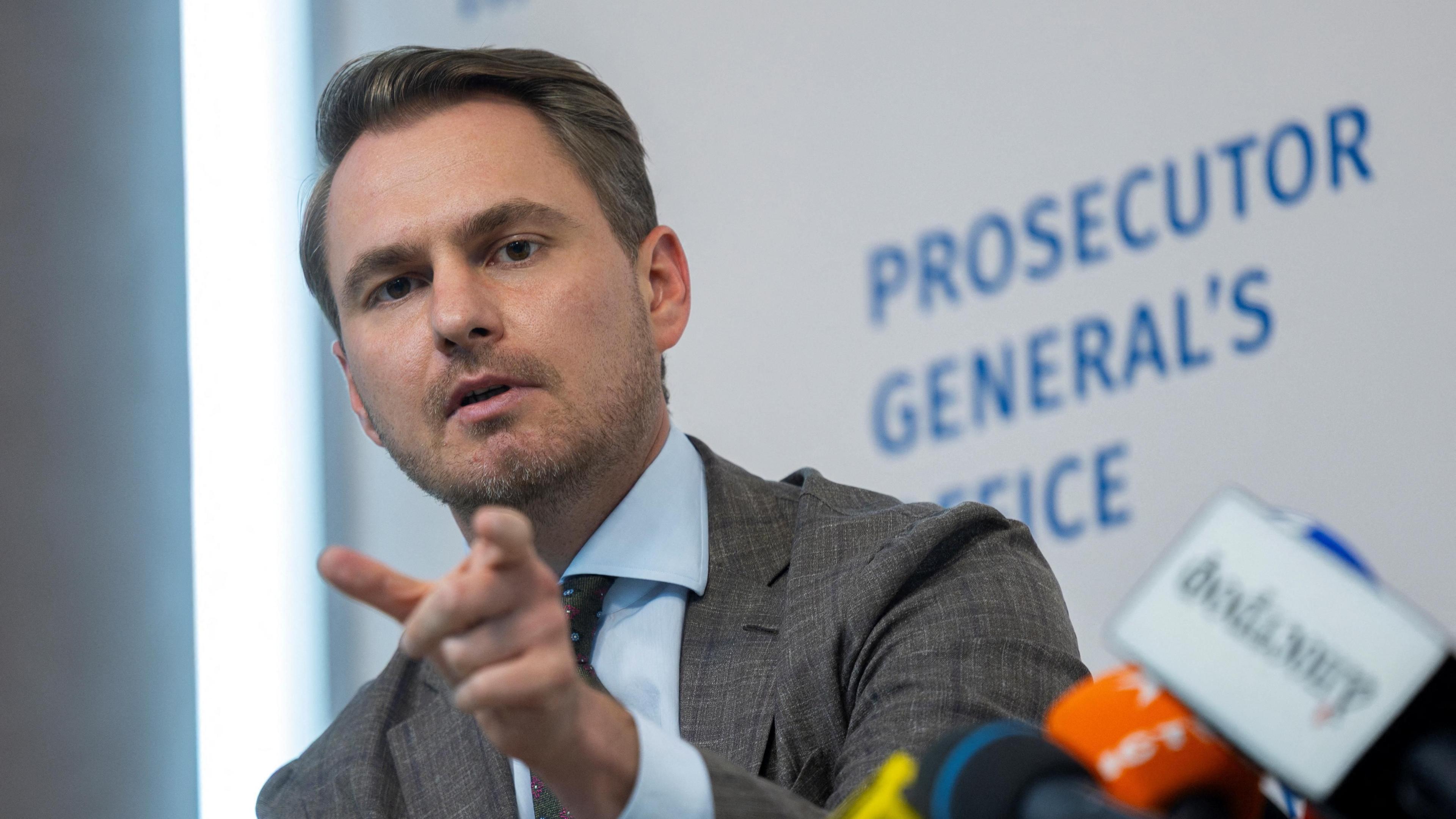
The report cites 93 detainment sites in occupied Ukraine and 102 in Russia, characterised as “unofficial” in many cases, thereby describing an extensive under‑the‐radar system that has evaded international scrutiny. Since 2022, Ukrainian prosecutors have charged 85 individuals for conflict‑related sexual violence, with 30 receiving prison sentences in absentia.
Liudmyla now works with an organisation that supports detained women and coordinates a secret network to send supplies to those still captive. She insists on legal accountability rather than revenge: “Justice means the decree that I can not only be found guilty but punished according to law.”