Inside Tupac’s Murder Trial: Witnesses Recount the Chaos of 1996
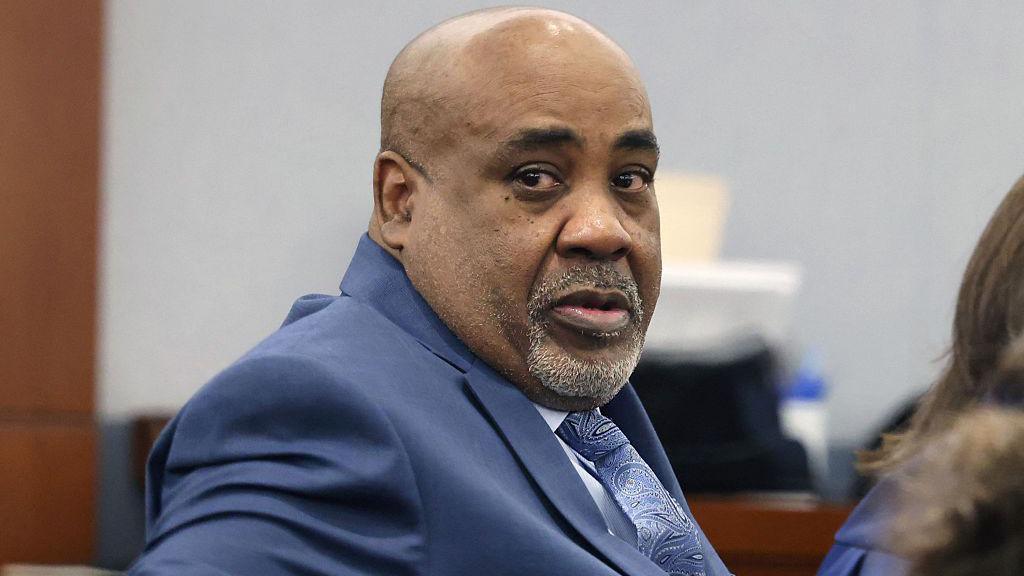
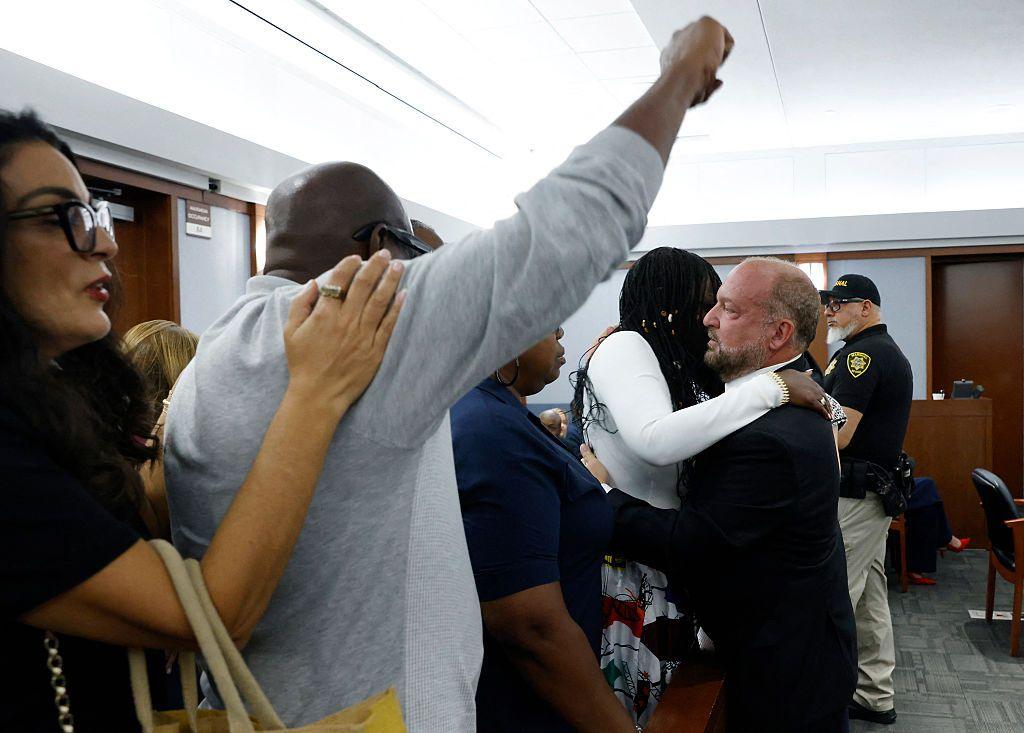
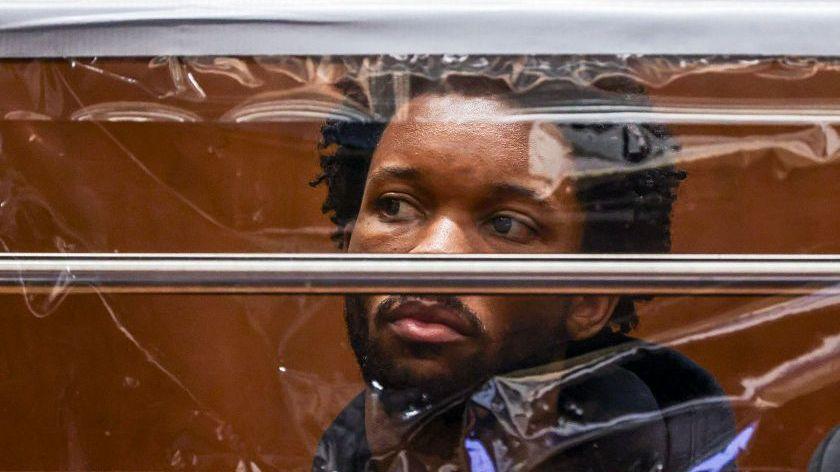
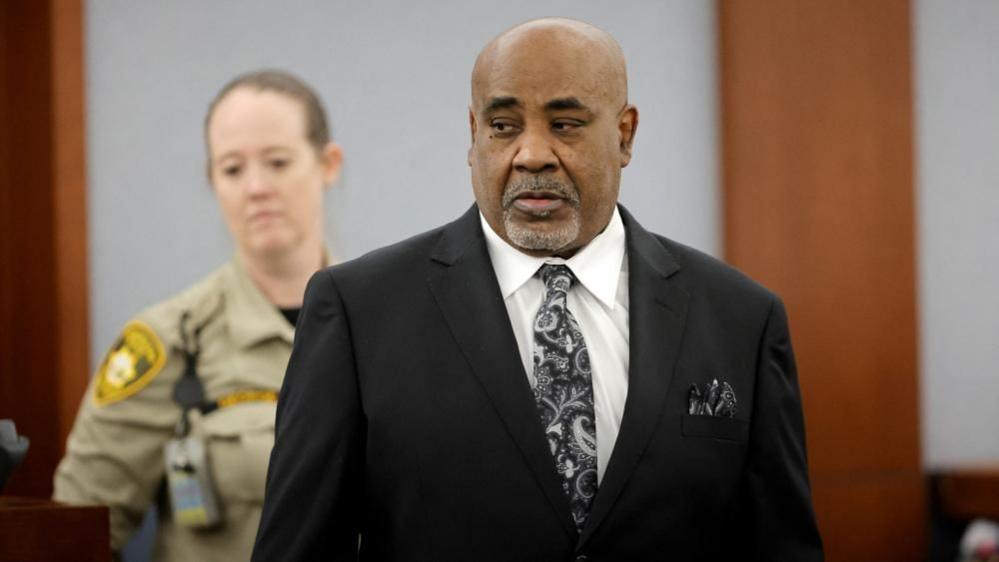
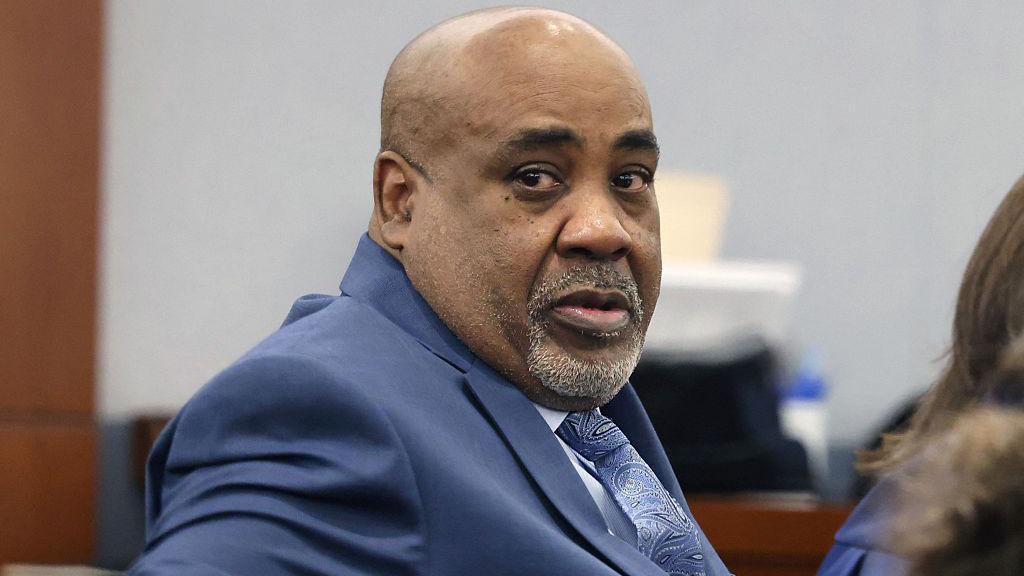
In the opening day of the trial that finally touches on the 30‑year‑old murder of famed rapper Tupac Shakur, prosecutors portrayed former gang leader Duane "Keffe D" Davis as a revenge‑driven strategist, not the actual shooter.
The courtroom’s narrative brings the jurors back to a gritty Las Vegas Strip night, when rival East‑side and West‑side rap factions clashed and gangs held sway. Police distrust of the city’s youth culture left the investigation stalled until Davis’s 2019 memoir hinted that he had directed the attack.
Davis – 63 – is charged with murder but maintains his innocence, and his lawyers argue the memoir is fiction. Yet a judge deemed it admissible, forcing the defense to confront 30‑year‑old testimony and claims of bias.
Prosecutors cite a May 1996 argument in which Davis allegedly gave a handgun to nephew Orlando Anderson, who allegedly fired into Shakur’s getaway car hours after the rapper was beaten. The prosecution’s opening statement heavily stresses that Davis orchestrated the drive‑by, even though he never fired the gun.
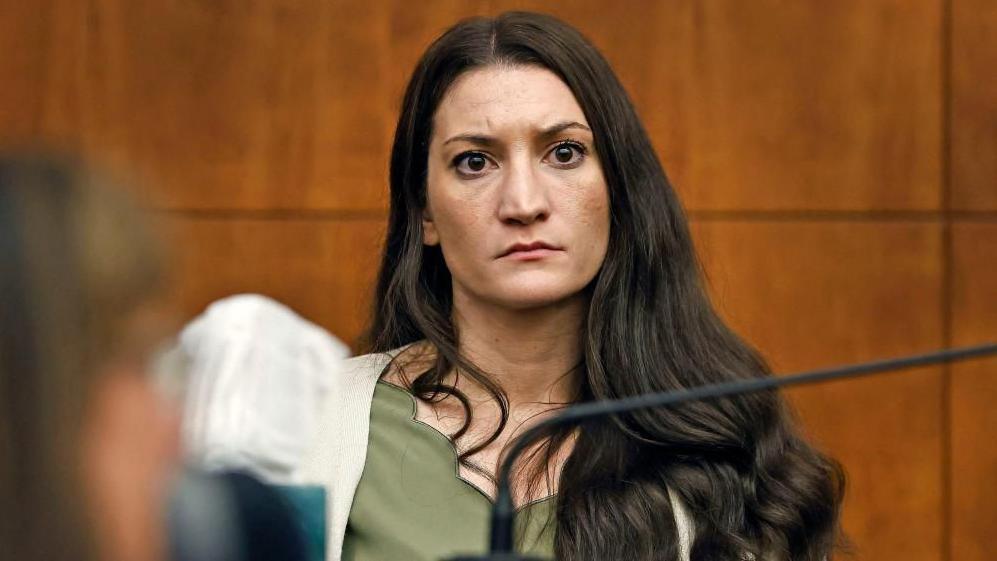
The first witness, former Las Vegas Metropolitan Police Officer Garry Dale, described being in an ambulance with Shakur after the shooting, noting the rapper refused to answer questions about his assailant, remarking, “We’ll take care of it.”
The case is anchored in the broader narrative of East‑vs‑West Coast rivalry and the Bloods‑Crisp turf wars that surged in the mid‑1990s. Black‑community members and Shakur’s entourage feel police mis‑treated them as suspects and missed critical leads.
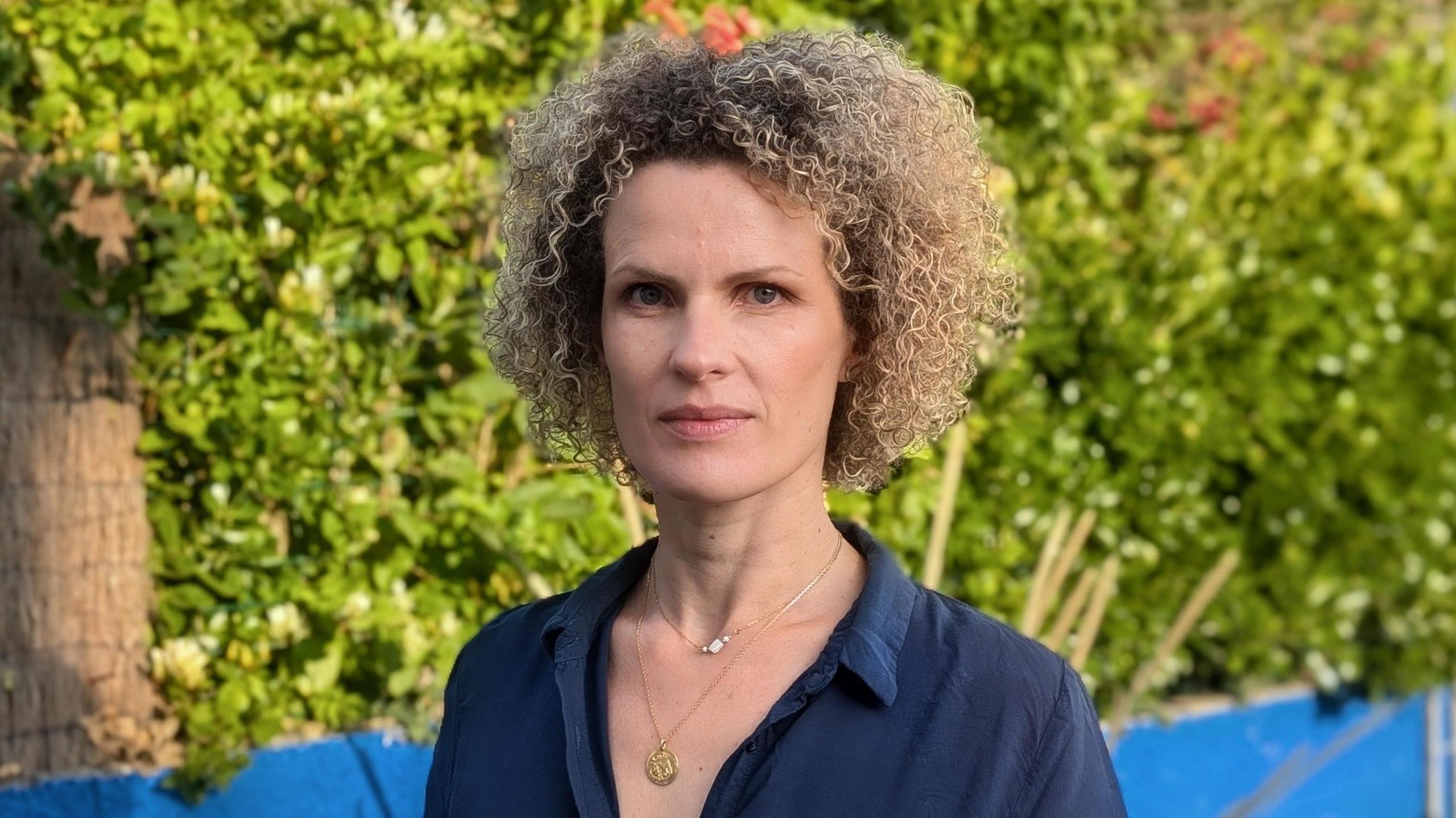
In the weeks ahead, additional expert, investigative and potentially celebrity witnesses are slated, shedding light on the events that evening – notably how a white Cadillac carrying three men, including Anderson, convinced a driver to alter a route, ultimately flipping around the street to confront Shakur and Death Row Records co‑founder Suge Knight. Meanwhile, Ingrid Stokes, who was on the road that night, claims the moment the gunshots rang her life “went all hell broke loose.”
Through the trial’s high‑profile proceedings, the courtroom will highlight the failure of law‑enforcement to investigate the crime, the historical impact of the Shakur death, and the lingering question: Who truly orchestrated the shooting?