Background
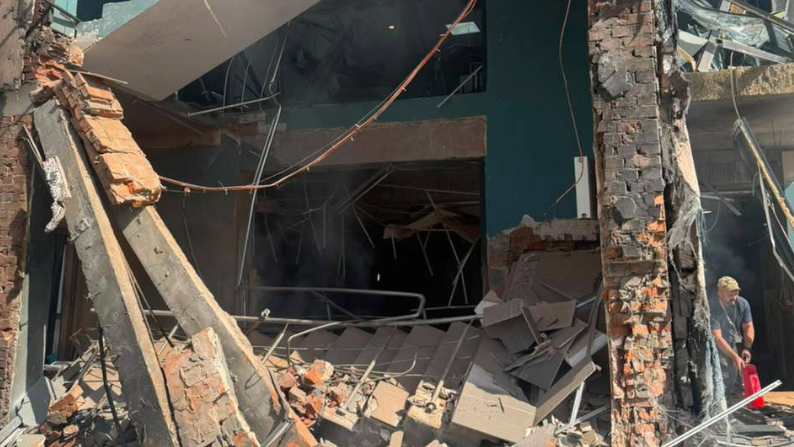
Iran launched multiple ballistic missiles in a surprise attack on American forces in the Middle East on Tuesday. U.S. Central Command reported that the missiles were intercepted and that no U.S. installations or personnel were harmed.
The incident broke a brief lull that had been agreed as part of a negotiations framework aimed at returning U.S. and Iranian negotiators to the conversation table. Tehran has so far not commented on the attack.
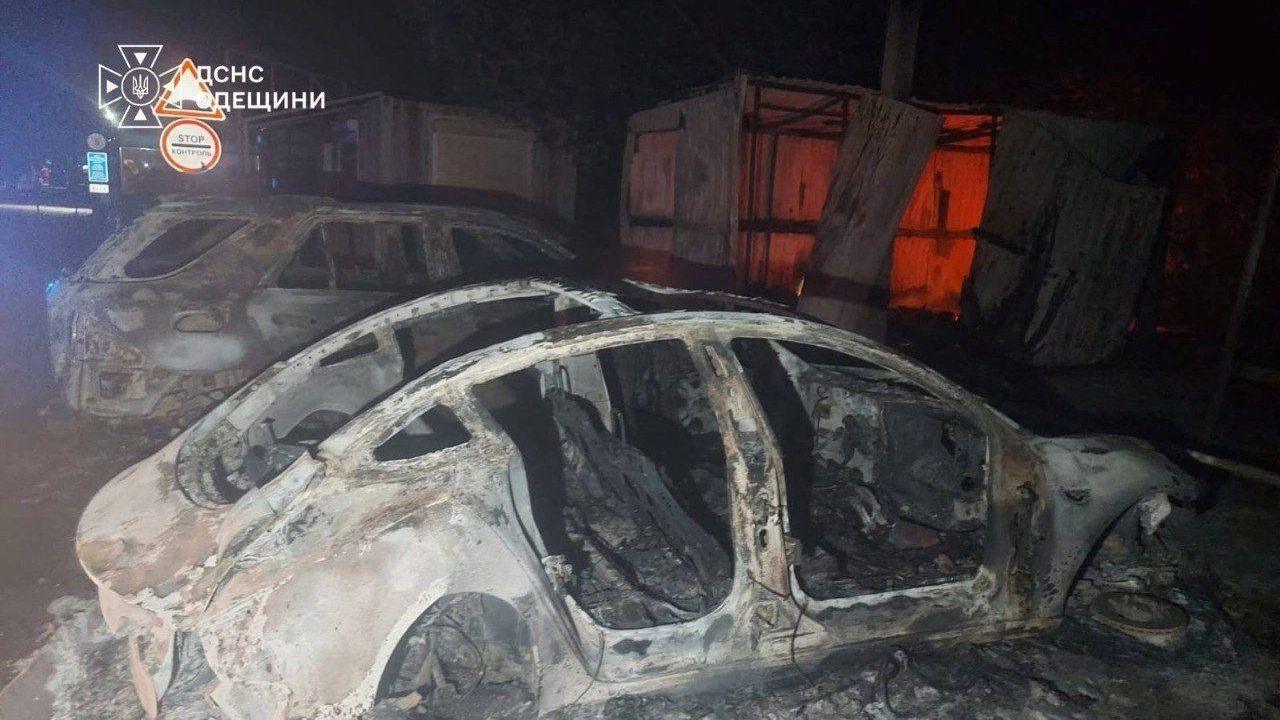
In retaliation, U.S. and Saudi Arabian forces targeted “Iran‑aligned terrorist” sites in eastern Iraq. The strikes were intended to disrupt the logistical and weapon‑production networks of suspected Iranian militia proxies.
Centcom stated that the U.S. response was a “strong reaction to over 30 Iranian Revolutionary Guard Corps‑directed drone attacks in the last 72 hours.” Iran’s military and its proxies, it warned, “must cease these attacks to avoid further U.S. military response.”
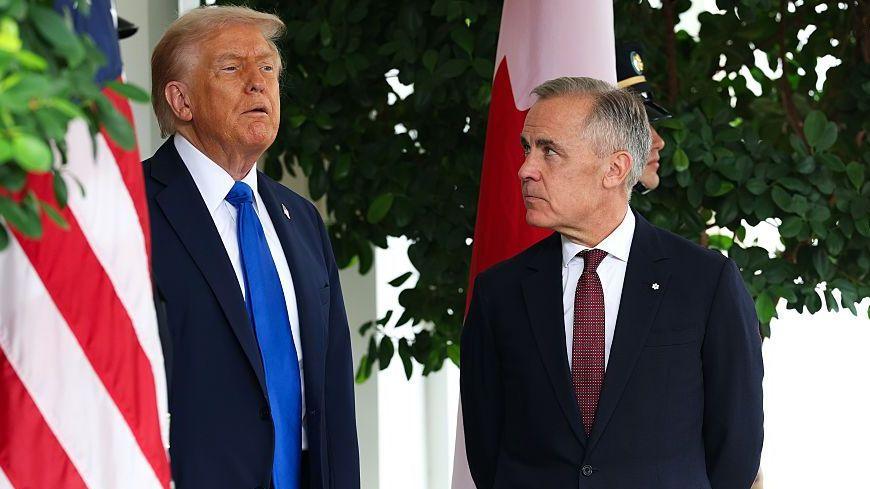
Saudi Arabia confirmed intercepting drones aimed at its eastern petroleum facilities, blaming Iranian‑affiliated militia groups in Iraq for the attacks. The incident coincided with President Donald Trump’s remarks about “very friendly negotiations” with Iran.
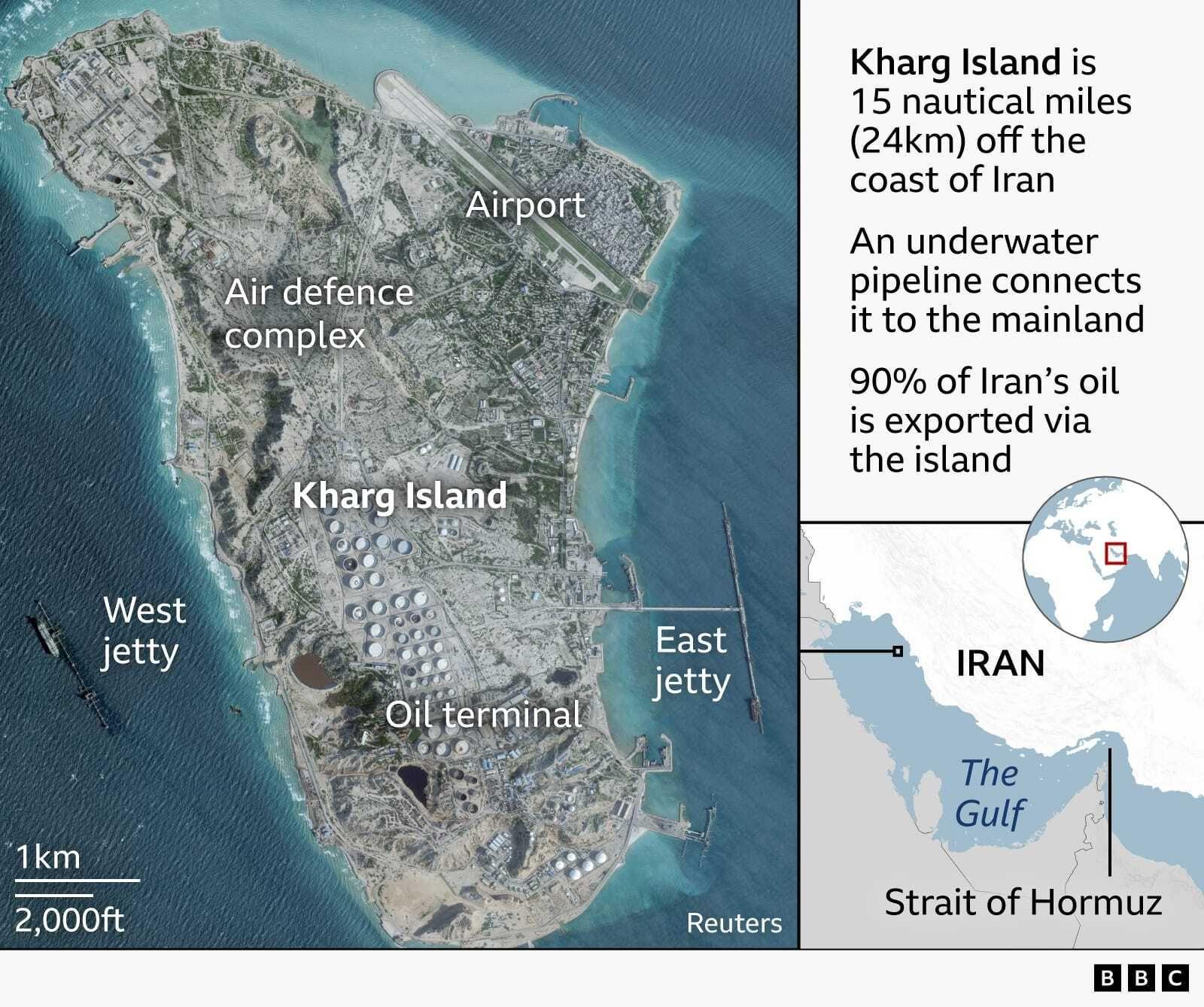
Control of the Strait of Hormuz remains a pivotal sticking point in the talks, a key shipping tunnel that both sides have long claimed rights over. Tehran denies that any talks are even underway.
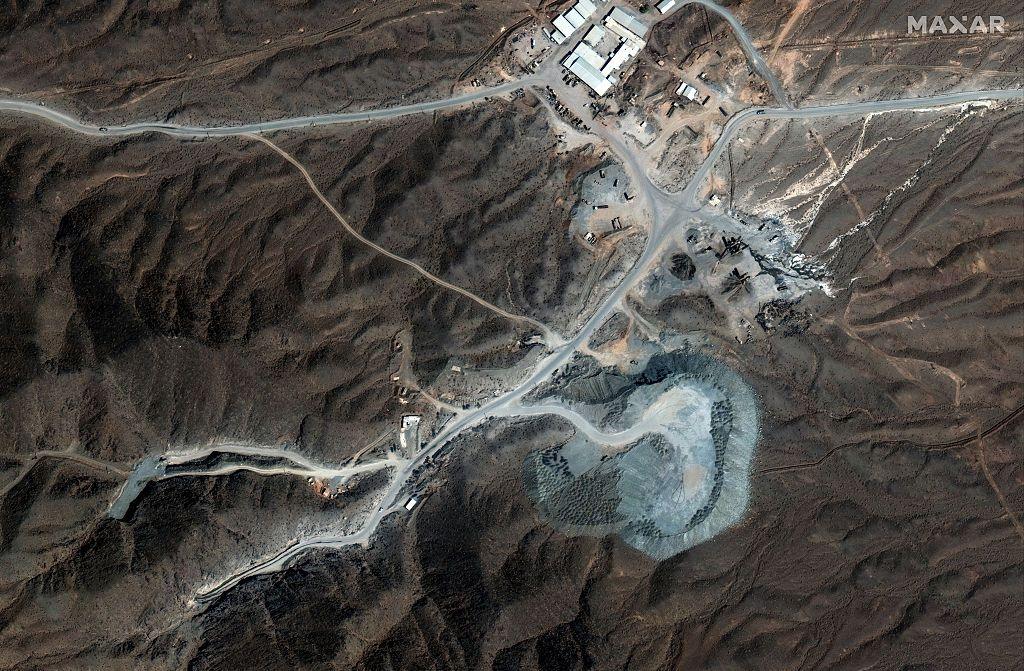
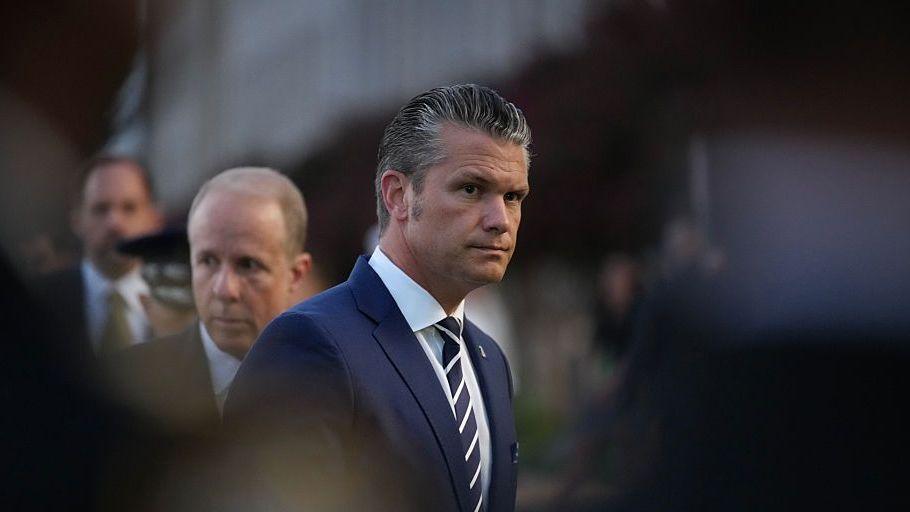
Alongside the military flashpoints, the war has taken a human toll on U.S. personnel. According to Pentagon data, at least 624 U.S. service members have been wounded since the U.S. ordered strikes against Iran in February. Further, 417 of those injuries were related to Operation Epic Fury, the joint U.S.–Israeli offensive targeting Iranian nuclear facilities.
During the same period, Israeli Prime Minister Benjamin Netanyahu visited Washington, meeting President Trump and attending the funeral of U.S. Senator Lindsey Graham, a prominent vocal critic of Iran.
Implications
The renewed hostilities signal a sharp escalation that risks pulling regional powers deeper into conflict. With leaders on both sides citing diplomatic hopes, the international community watches closely for any shift that could either widen the war or move toward a negotiated settlement.