Iran Holds Its Ground After Trump Rejects Proposal
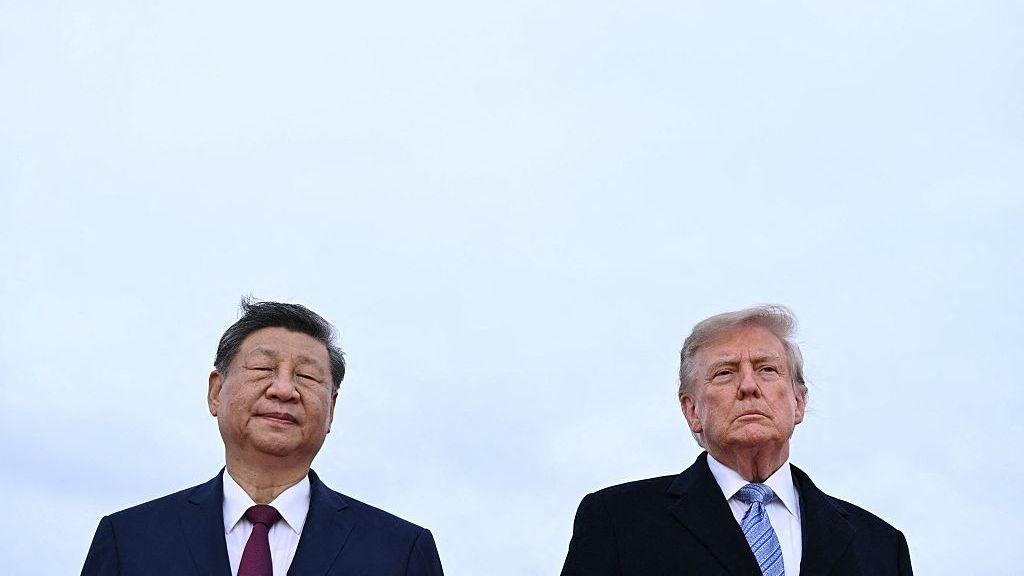
Iran has said it will wait for an official U.S. response after President Donald Trump dismissed a proposal to restart commercial shipping in the Strait of Hormuz within seven days.
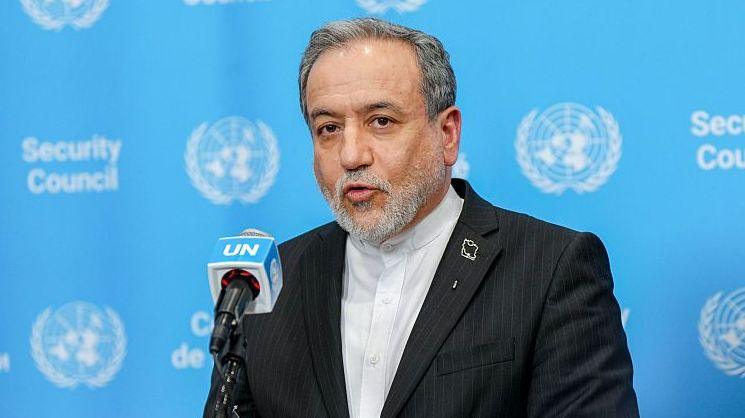
The foreign minister, Abbas Araghchi, confirmed Trump’s rejection via a Telegram post and accused the president of issuing contradictory statements before the decision.
Earlier today, Trump said the Tehran offer was “not acceptable”, contending that Iran would miss out on vital oil commerce if a deal was not made immediately – “they’re losing so badly,” he added.
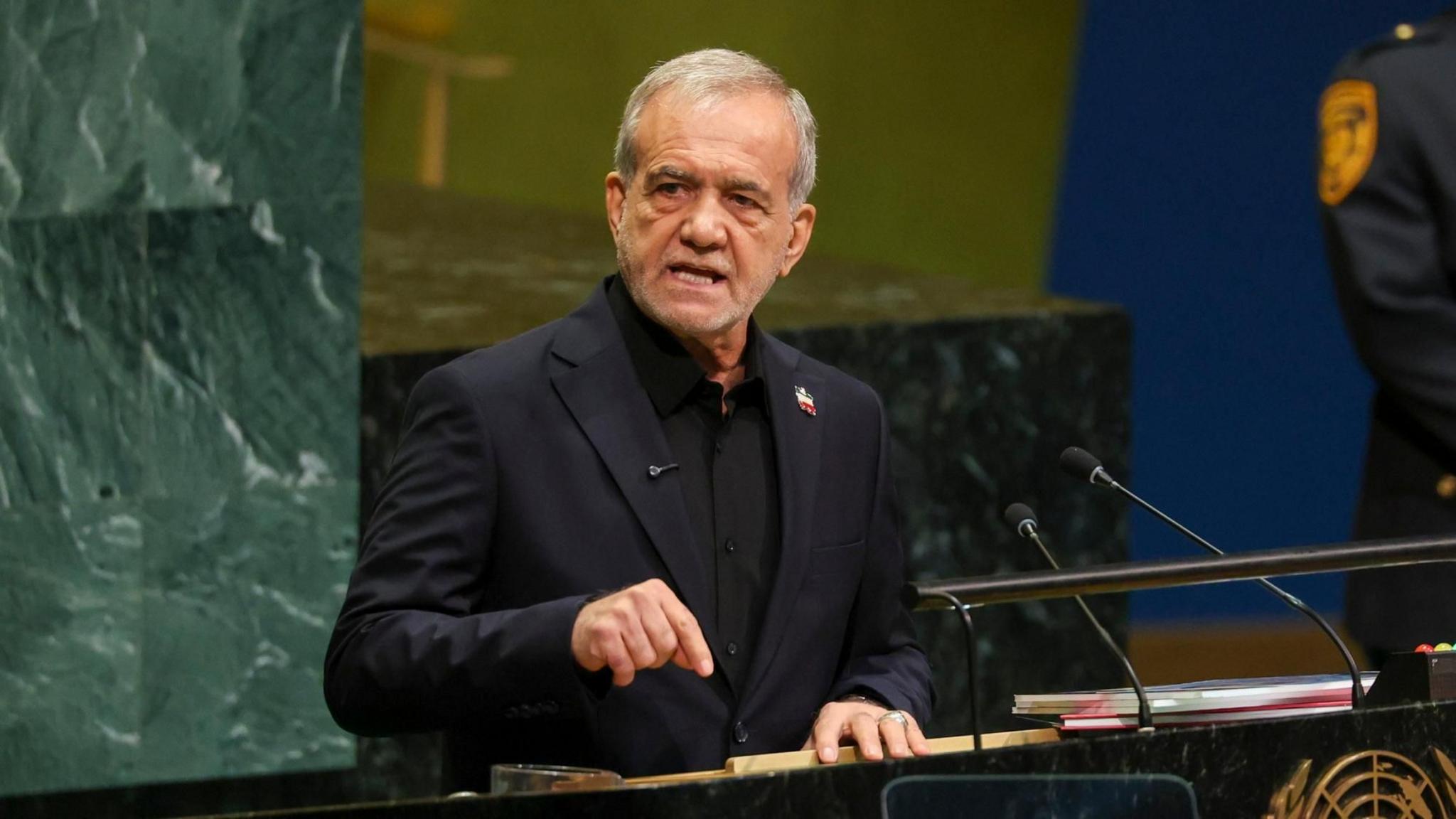
Araghchi told reporters at the UN that the conditions for reopening the strait were the same as those in the memorandum of understanding signed with the U.S. in June, which Tehran has cited as the baseline for negotiations.
Iran has repeatedly called for a full resumption of traffic through the strait and an end to hostilities during recent U.N. General Assembly talks in New York.
The strait, the world’s gas and oil artery, has been effectively locked down since February’s escalation, depriving a significant share of global energy supplies.
Trump’s stance
“I’m rejecting their deal,” Trump said on Saturday, claiming the U.S. already has “total control” over the waterway, citing massive oil volumes that flow daily.
Araghchi responded that Trump “has made many good statements, as well as many contradictory ones, which unfortunately we hear frequently.” He added that Iran was awaiting a definitive view from U.S. mediators.
Mediation by Oman
Oman, which has been attempting to act as a neutral intermediary, urged all parties to continue open dialogue to restore navigation. Oman’s foreign minister, Sayyid Badr bin Hamad bin Hamood Albusaidi, called for cooperation with Oman in safeguarding the strait.
U.S. diplomatic reaction
U.S. ambassador to NATO Matthew Whitaker backed the Trump refusal, describing Iran’s offer as “half‑measures” and “illusory”. Whitaker affirmed Trump’s right to reject the proposal.
Economic pressure on Tehran
Treasury Secretary Scott Bessent warned that intensified U.S. sanctions are bearing down on Iran, citing the suspension of Iranian airline flights by Turkey, Oman, and the UAE, as well as the halt of banking transactions by institutions in those states.
The administration refers to the crackdown as “Operation Economic Outcast”, aiming to force Tehran to cease attacks on vessels in the Strait. Economists question its effectiveness, noting that large trading partners such as China continue to buy Iranian oil despite U.S. pressure.