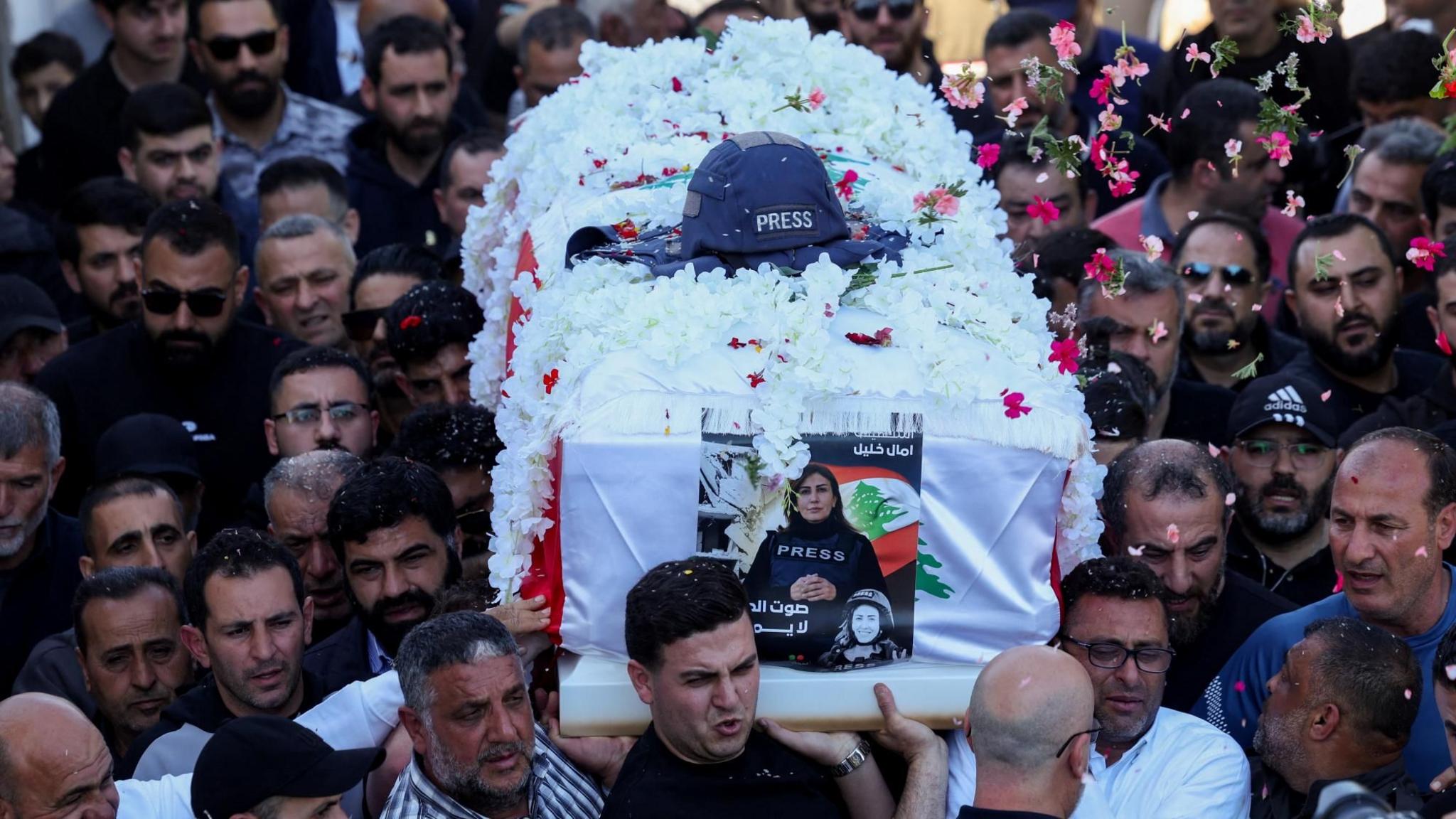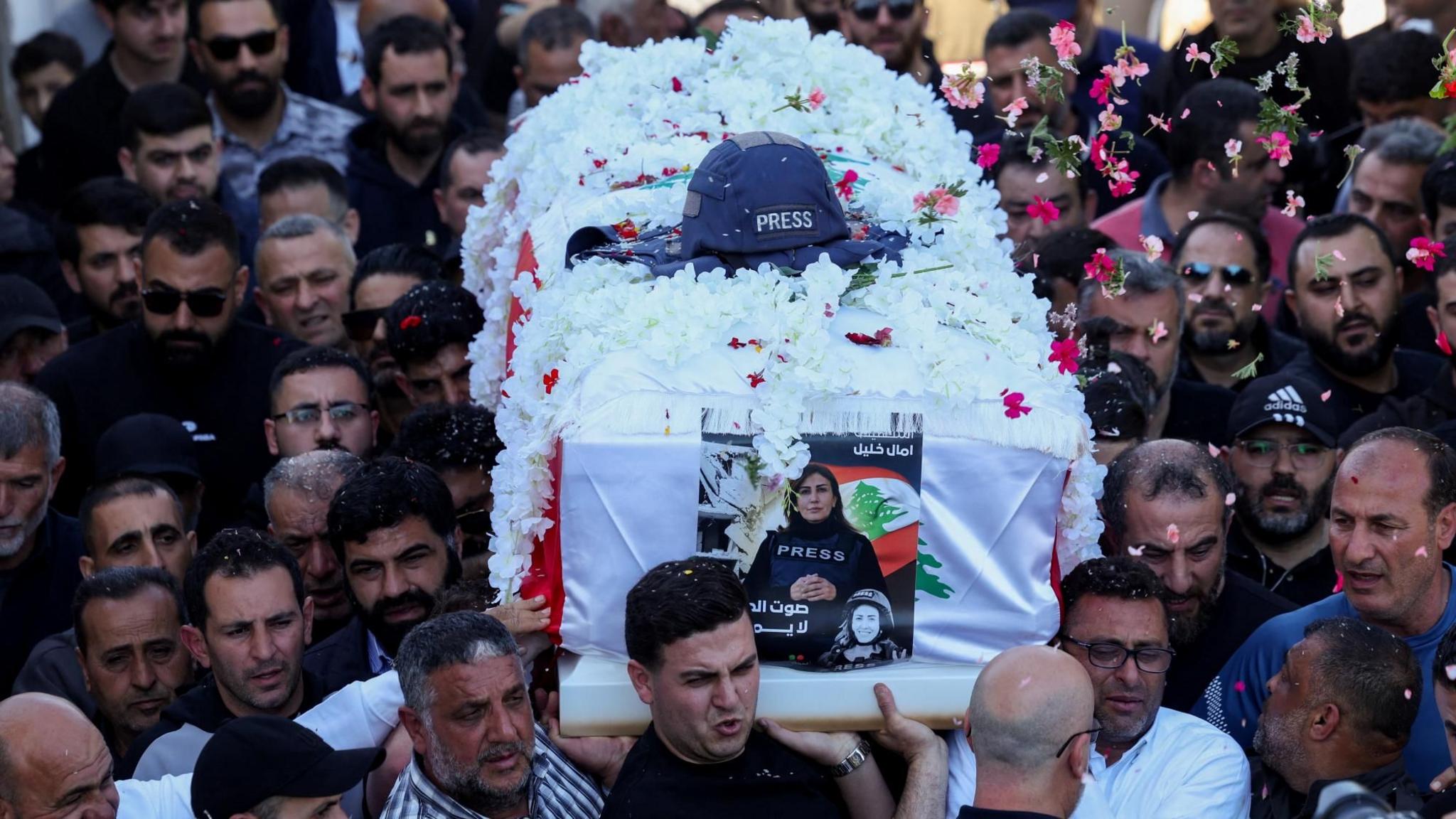
A Lebanese reporter was killed by an Israeli airstrike in southern Lebanon on 22 April while covering a news story. Human Rights Watch and Amnesty International say the hit on journalist Amal Khalil constitutes a war crime and demand a full investigation.
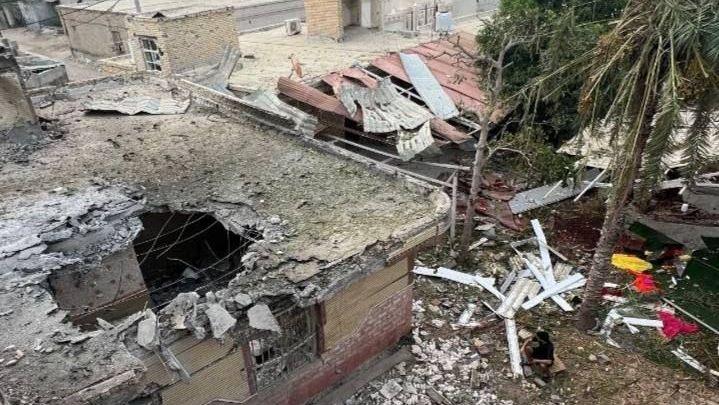
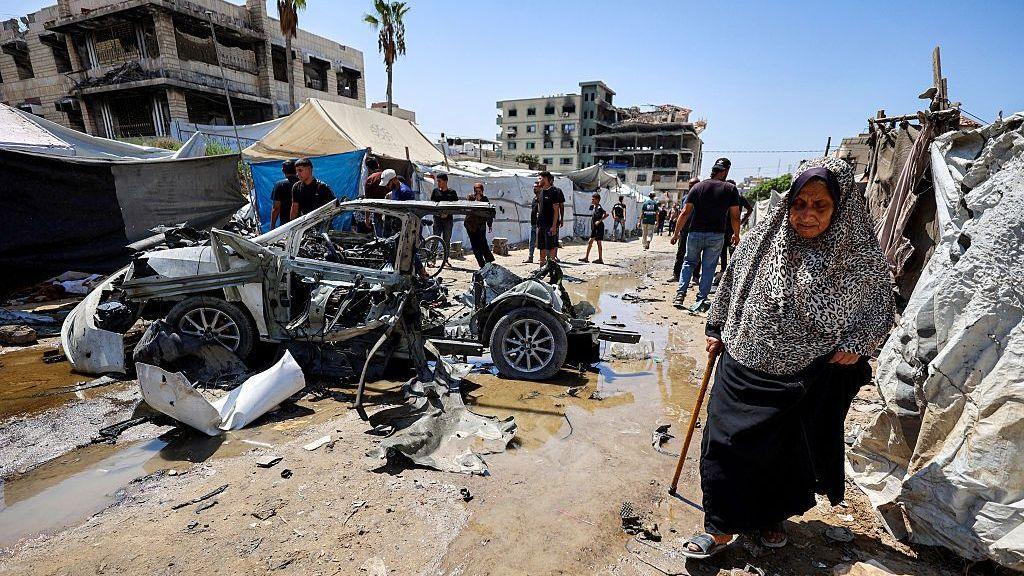
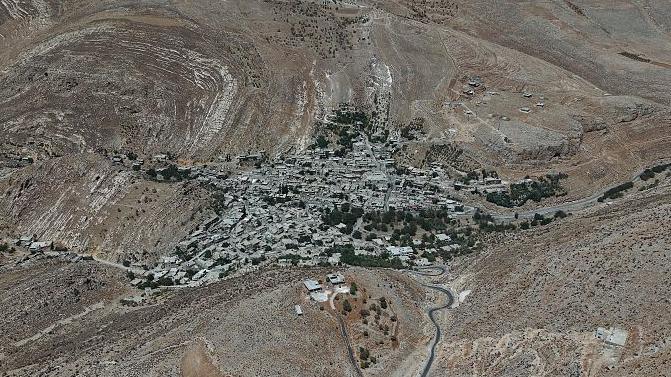
Both organisations cited footage and eyewitness claims to show that the strike hit civilian targets in the town of al‑Tiri, rather than legitimate military objectives. The airstrikes came after a first strike hit a car that had been driving past the reporters, injuring two men they knew. A second strike struck the parked car, and a third destroyed the nearby building where the reporters sought shelter.
During the attack Israeli drones hovered close to the reporters, frightening them and threatening further harm. Rescue teams from the Lebanese Red Cross were blocked by a drone‑delivered stun grenade, and paramedics were forced to withdraw, leaving Khalil in critical condition until her body could be recovered hours later.
The Israeli military denied that journalists were a target, stating the operations were aimed at Hezbollah operatives. It said the death of Khalil and injuries to Faraj were part of a broader campaign that had eliminated two Hezbollah members and regretted any civilian harm. However, the human‑rights reports indicate the forces knew or should have known that the individuals were civilians.
Under international humanitarian law, deliberate attacks against civilians are prohibited and can constitute war crimes. The Human Rights Watch report highlights that Israel must accept jurisdiction from the International Criminal Court to address these allegations. Amnesty’s Middle East director called for an independent inquiry and condemned the targeting of civilians who were simply seeking safety during the conflict.
This incident adds to a growing count of media workers killed in the region, underscoring the heightened risks journalists face in conflict zones.