
In brief
The upper house of the Japanese parliament approved a bill that eases succession by allowing the imperial family to adopt male relatives over 15 years old and keeps women’s titles if they marry outside the family. The law does not, however, remove the constitutional prohibition against females becoming emperor, leaving Princess Aiko ineligible. This marked the biggest change to Japan’s imperial succession rules since 1949 and reflects a long‑standing tension between tradition and public pressure for a female monarch. With the amended law, the line of succession could be broadened but the throne will still pass only to male heirs.
The Japanese parliament has approved a bill that relaxes imperial succession rules amid concerns over the dwindling size of the imperial family.
The new law will allow the imperial family to adopt male relatives over the age of 15 and lets female members retain their royal status after marrying commoners, a change from the previous requirement that they give up their titles.
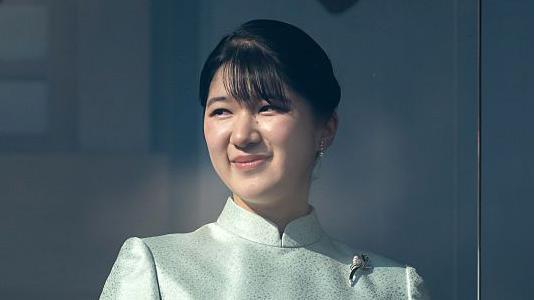
However, the law does not lift the constitutional ban preventing women from ascending the throne. Princess Aiko, the only child of the current emperor, remains ineligible to become monarch.
With the amendment, the line of succession could expand by admitting descendants of former imperial branches, but the throne will still pass only to male heirs. The bill represents the first major overhaul of the Imperial House Law since 1949.
