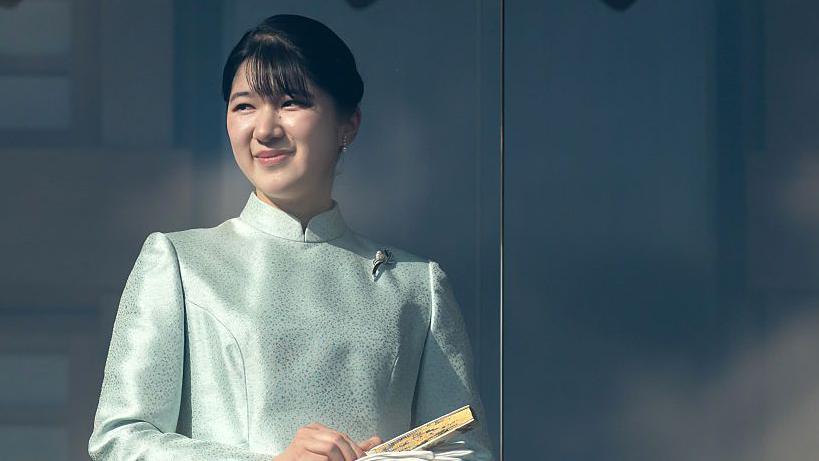
Japan’s upper house has passed a bill that loosens the Imperial House Law by permitting the adoption of distant male relatives and allowing members who marry outside the family to keep their royal status.
The new law does not change the existing ban on female succession, meaning Princess Aiko, the only child of Emperor Naruhito, remains ineligible to ascend the throne.
The bill is the first amendment to the Imperial House Law since 1949 and marks the largest overhaul of Japan’s monarchy in decades. It allows the imperial family to adopt male relatives over 15 from the eleven former imperial branches that were removed after WWII, thereby extending the line of heirs.
Japan’s current line of succession is precarious: 60‑year‑old Fumihito, the emperor’s younger brother, is first in line, followed by his 19‑year‑old son Prince Hisahito and the emperor’s 90‑year‑old uncle. Without a male heir, the lineage would end if Prince Hisahito does not father a son.
Public opinion has shifted. A June survey by Mainichi Shimbun found that more than 70% of respondents supported a female emperor, while a Kyodo News poll reported 83% favoring a woman on the throne. Yet political leaders, including Prime Minister Sanae Takaichi, continue to back the male‑only rule as essential to imperial legitimacy.
Once the bill clears the final legal steps, it will be formally enacted, providing a broader pool of male candidates for succession while keeping the door closed to a female monarch. For now, the future of Japan’s imperial lineage remains firmly male, but the debate over women’s role in the monarchy persists in Japan’s public and political arenas.