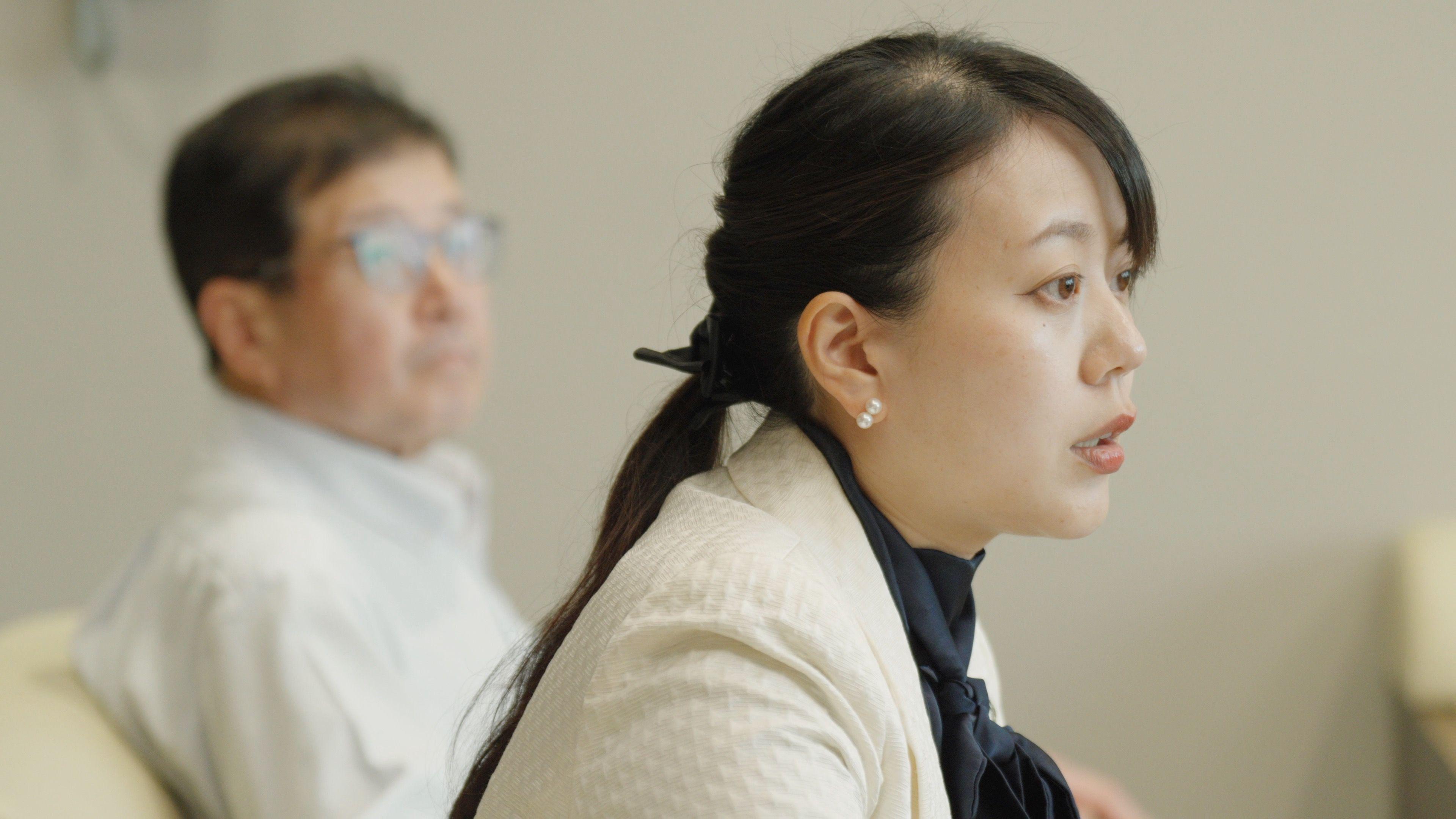
In the quiet town of Yawata, south of Kyoto, Shoko Kawata, aged 35, stunned the nation by announcing a four‑month maternity leave—two months before and after her expected delivery date. She became Japan’s first mayor to take such leave, a move that sparked intense debate across social media and news outlets. The mayor’s decision highlighted a gap in legal provisions for local officials who need time off for childbirth. Despite her supporters organising a smooth transition plan—deputy Shigeto Nose will act as acting mayor during her absence—many netizens questioned the appropriateness of a public official forgoing duties for a private family milestone.
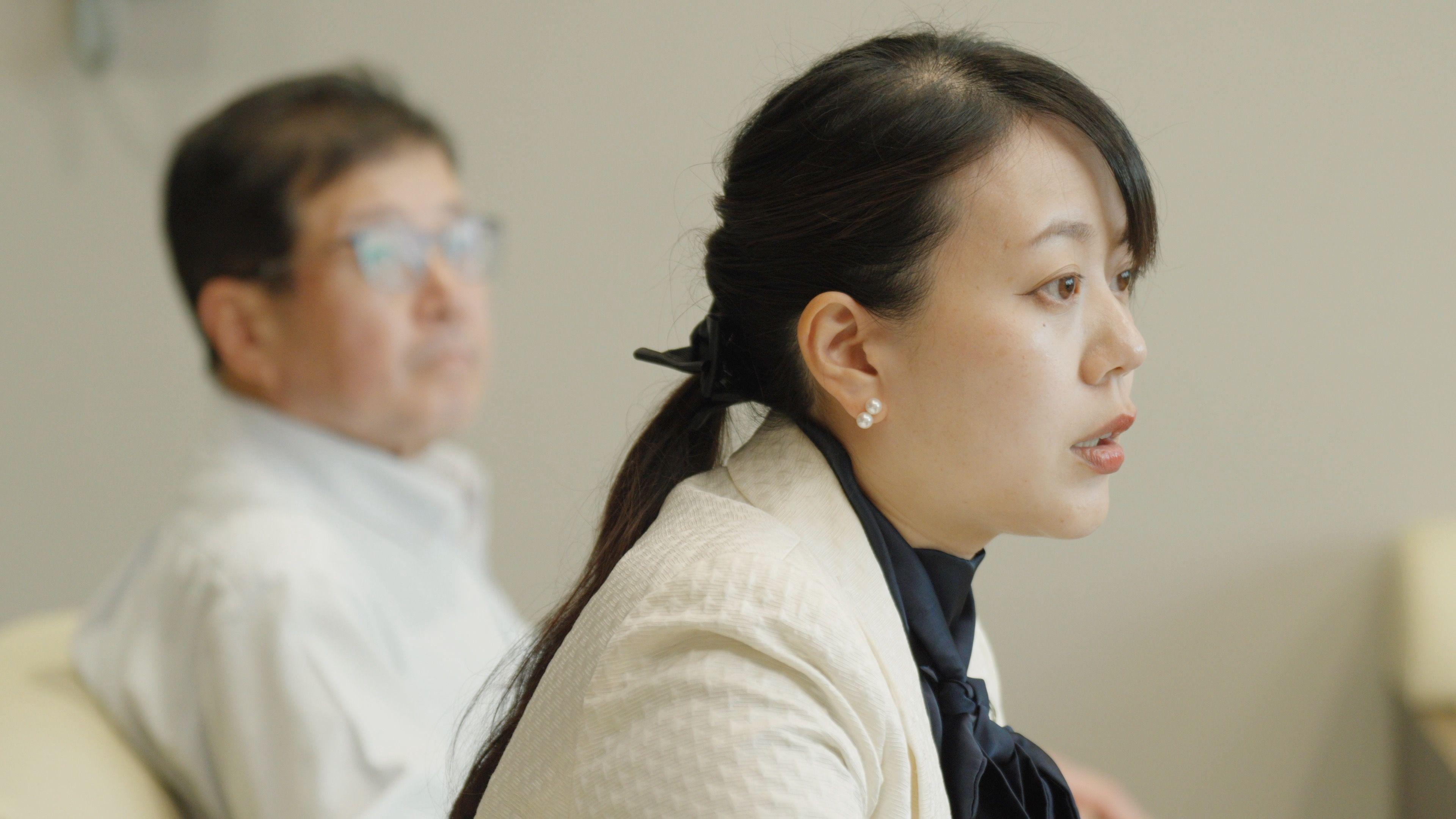
Kawata’s announcement came after a public conference in May, where she outlined a clear schedule and announced that all municipal staff would support the plan, a fact that seemed at odds with the mixed online feedback. Social media platforms like X and YouTube channel videos reflected a spectrum of views: some praised her for prioritising family, while others accused her of irresponsibility or argued that officials should resign if they intend to take an extended leave. In one comment, a user urged that officials with children “should resign”, whereas another suggested a reduction in salary during leave as a fair compromise.
The debate dovetails with broader gender inequality concerns in Japan. A Cabinet Office survey from July 2025 reported that only 4% of municipal leaders are women, and Japan ranked 118th out of 146 countries on the World Economic Forum’s 2025 gender gap index. Yet the country’s political sphere has seen notable female appointments lately, including a female prime minister and the appointment of female leaders at various local levels.
Kawata countered criticism with a straightforward message: “If politicians are to be judged for taking maternity leave, we are effectively barring half the population from public office.” She echoed former mayor Shinji Ishimaru’s call for a constructive discussion so that future maternity leaves do not disrupt municipal governance.
Kawata’s move could pave the way for structural changes, such as formal maternity policies for elected officials, while signalling a shift in societal expectations that women can simultaneously build families and sustain careers in public service. The incident has already prompted calls from various sectors—business leaders, civil society, and policymakers—to revisit workplace policies that accommodate parental responsibilities, seeking a more inclusive future for Japan’s workforce and political landscape.