
In brief
In a 51‑47 Senate vote, former U.S. attorney Jay Clayton was confirmed as the United States Director of National Intelligence, replacing acting director Bill Pulte. Clayton, who oversaw high‑profile cases such as the Maduro drug‑trafficking prosecution, brings a legal background after serving as a former securities regulator. His confirmation follows Trump’s replacement of Pulte, who faced criticism for staffing cuts and political prosecutions. Senators raised concerns over Clayton’s stance on the 2020 election and his willingness to resist political pressure, but his appointment may revive congressional negotiations over Section 702 of the Foreign Intelligence Surveillance Act. The move could strengthen intelligence oversight while addressing federal surveillance‑law renewal.
The U.S. Senate approved former U.S. attorney Jay Clayton as the next Director of National Intelligence (DNI) in a 51‑by‑47 vote, restoring leadership after acting DNI Bill Pulte faced backlash for his lack of intelligence experience and alleged political prosecutions.
Clayton, who previously served as the U.S. attorney for the Southern District of New York, is known for handling high‑profile cases, including the drug‑trafficking prosecution of former Venezuelan president Nicolas Maduro. His appointment follows Trump’s move to replace Pulte, who had overseen a 30 % staffing cut and was implicated in potential political prosecutions.
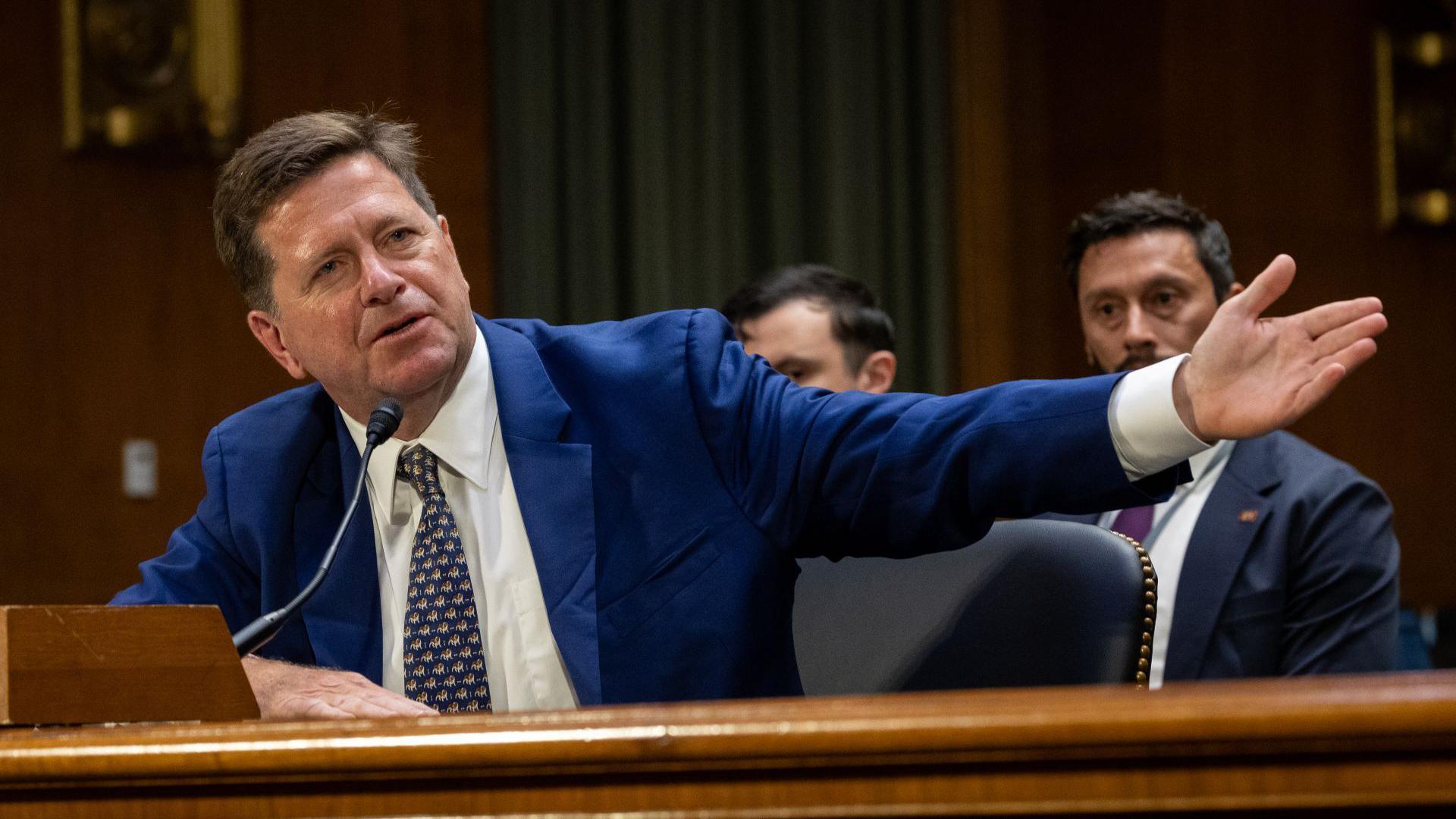
Senators voiced concerns during Clayton’s confirmation hearing. Asked whether President Biden won the 2020 election, Clayton stated he was “certified” as the winner and denied being an election denier, a response that raised bipartisan questions about his sensitivity to former administrations’ claims. Senate Intelligence Committee Vice‑Chair Mark Warner noted reservations about Clayton’s ability to withstand political pressure.
Despite these concerns, the confirmation could advance discussions over Section 702 of the Foreign Intelligence Surveillance Act, allowing U.S. agencies to collect foreign‑targeted communications without individual warrants. Senate Majority Leader John Thune expressed hope that Clayton’s appointment would encourage blocking of further FISA reauthorisation delays.
Clayton’s confirmation marks a shift toward a more conventional intelligence leadership after Tulsi Gabbard’s resignation and Bill Pulte’s contentious interim tenure, potentially restoring stability to the intelligence community amid ongoing scrutiny of executive‑branch influence.

