In brief
A surge of jellyfish in the sea‑water cooling channel at France’s Gravelines nuclear plant has caused EDF to temporarily shut down half of its six units. The incident, part of a pattern of rare jellyfish‑related disruptions at nuclear sites, highlights the unexpected impacts of marine life on energy infrastructure. While two units were closed on Wednesday and Thursday, a third had been shut since early August, and a fourth has been offline for inspection. The five‑megawatt plant, located between Dunkirk and Calais, now operates only partially but remains under close monitoring as jellyfish are driven offshore by local fishermen.
Jellyfish surge has caused a partial shutdown at Gravelines, France’s largest nuclear plant.
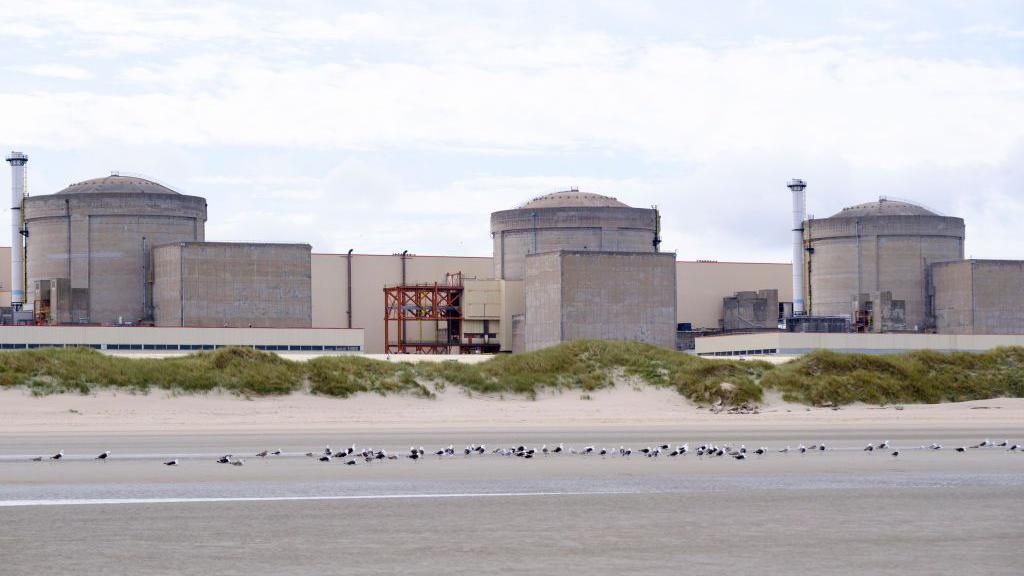
EDF announced that two of the plant’s six spinning units were taken offline on Wednesday and Thursday after a considerable influx of jellyfish clogged its seawater‑cooling filtration system. A third unit, which had been shut since 10 August for the same reason, was still non‑operational, and a fourth unit was closed for routine inspection.
Gravelines, situated between Dunkirk and Calais in the Hauts‑de‑France region, has six 900‑megawatt units. The cooling system relies on a canal that feeds into the North Sea, making the plant vulnerable to marine life entering the chill water supply.
The strange problem is not common. Similar incidents were recorded at Scotland’s Torness plant in 2011 and at Sweden’s Oskarshamn plant in 2013, but jellyfish infiltration is still a rare contingency.
Local experts note that warmer temperatures boost plankton at the surface, attracting more jellyfish to surface waters and eventually back into the cooling channels. EDF has partnered with fishermen to capture and release jellyfish further offshore in an attempt to mitigate future incidents.
While the plant’s grid output has dropped, the French regulator is monitoring the situation closely. The partial shutdown underscores how even low‑impact natural phenomena can disrupt critical energy infrastructure.