
In brief
Nigeria has commenced its first malaria vaccination campaign aimed at reducing the disease's death toll among children. The WHO-approved R21/Matrix-M vaccine, noted for its 75% efficacy, will be integrated with existing prevention strategies.
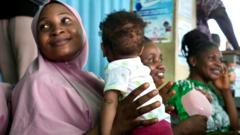
In a significant public health initiative, Nigeria has rolled out a malaria vaccine in a bid to tackle the alarming rates of the disease that plague the nation, which holds the record for the highest number of malaria fatalities globally. The newly introduced vaccine, known as R21/Matrix-M, represents the second malaria vaccine approved by the World Health Organization (WHO) and targets children aged between five and 15 months.Malaria continues to exact a heavy toll on Nigeria, accounting for approximately 27% of global malaria cases and 31% of related deaths, with children under five and pregnant women being particularly vulnerable. The introduction of this vaccine is a step towards alleviating the burden of the disease, which has been responsible for an estimated 580,000 deaths in Africa alone.The vaccine rollout commenced in Bayelsa and Kebbi, the two states hardest hit by malaria, with plans to extend the initiative to other areas across Nigeria by the end of next year. During the launch in Bayelsa, a mother named Happiness Idia-Wilson proudly watched as her 11-month-old son became the first recipient of the vaccine at a public ceremony. She expressed her commitment to promoting the vaccination effort among other mothers, emphasizing the importance of protecting children from malaria.Health officials, including Bayelsa’s commissioner for health, Prof Seiyefa Brisibe, have committed to conducting extensive health campaigns in local languages to raise awareness of the vaccine's benefits. Experts articulate that while the R21/Matrix-M vaccine, deemed 75% effective, provides substantial protection, it should be used in conjunction with existing preventive measures such as mosquito nets and insecticides.Dr. Walter Mulombo, WHO representative in Nigeria, expressed confidence that the vaccination initiative, complemented by conventional preventive tools, will significantly reduce malaria's impact in the region and work towards the ambitious goal of achieving a malaria-free Africa.The financial implications of malaria on Nigeria are staggering, with estimates suggesting that the disease costs the country around $1.1 billion annually due to healthcare expenditures and lost productivity. The R21/Matrix-M vaccine, developed by the Jenner Institute at Oxford University, requires three doses to be administered within four weeks, followed by a booster shot after one year.Earlier this year, similar initiatives were launched in Ivory Coast and the Democratic Republic of Congo, while countries such as Ghana, Kenya, and Malawi have been trialing a different malaria vaccine, RTS,S. Nigeria was not part of the subsequent roll-out of this vaccine as organized by WHO in twelve African nations.

