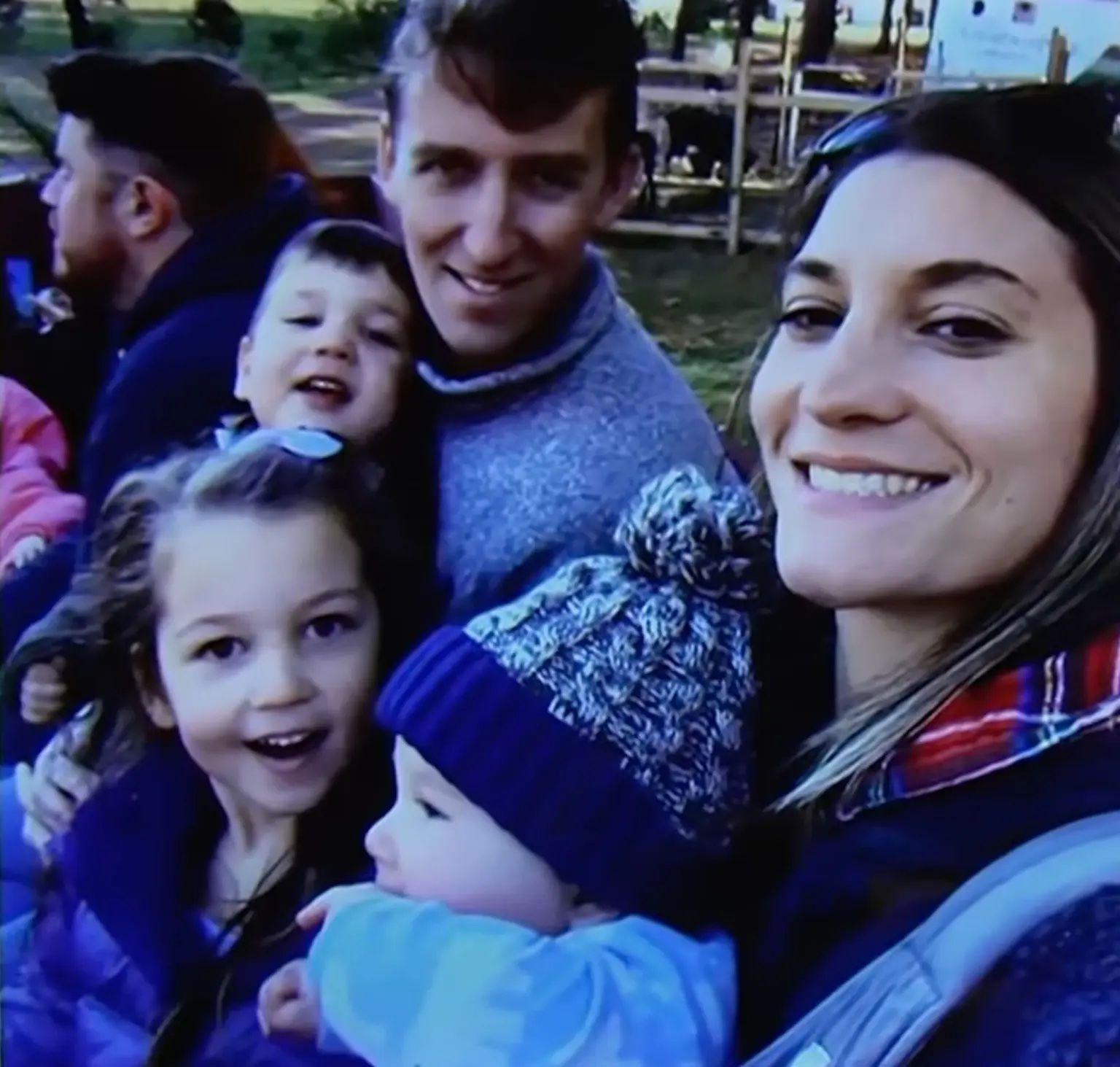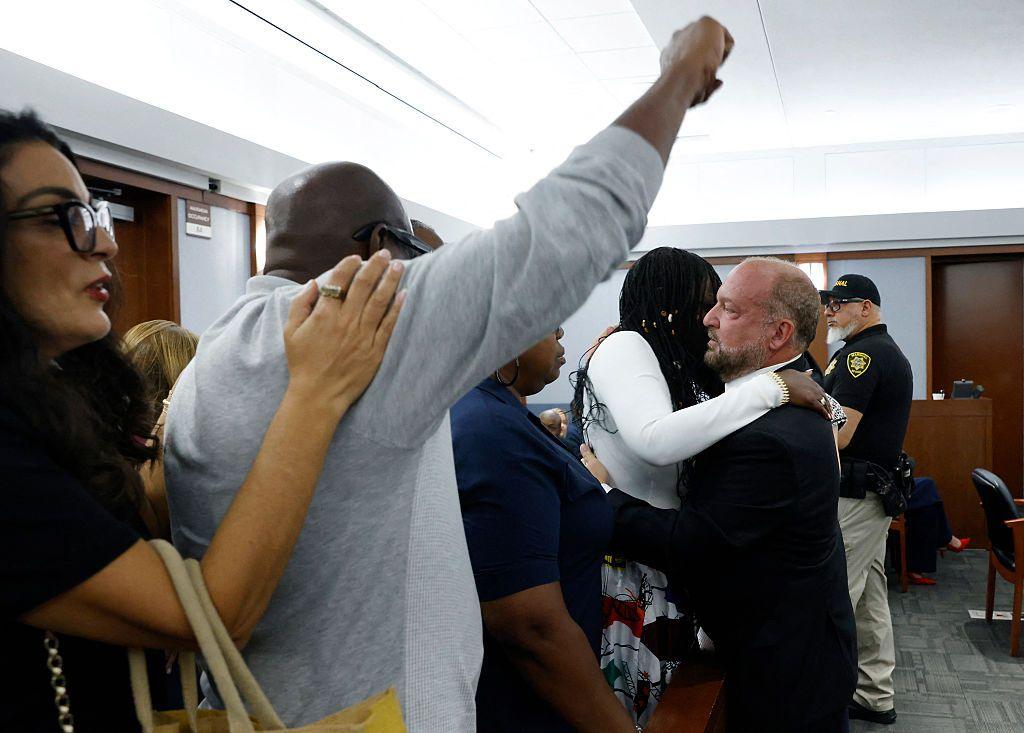
Lindsay Clancy, a 36‑year‑old former nurse, was convicted of intentionally killing her three children in the basement of their Massachusetts home in 2023. Although she has admitted murdering them, her legal team argues that a severe postpartum psychosis prevented her from distinguishing right from wrong.
In a court session that has captivated U.S. audiences, the jury—comprising nine women and three men—now deliberates among five distinct verdict options. Each choice carries its own legal weight and potential sentence.
1. Not Guilty
A not‑guilty verdict would release Clancy, but the prosecution considers it improbable given the evidence presented.
2. Not Guilty by Reason of Insanity
Clancy’s defense leans on an insanity plea, arguing that a command hallucination—“the voice telling her to kill”—made her incapable of intentional homicide. In Massachusetts, the burden lies on the prosecution to prove the defendant’s criminal responsibility beyond a reasonable doubt.
3. First‑Degree Murder
Conviction for first‑degree murder—an intentional, premeditated killing—would trigger a life sentence without the possibility of parole. This is the most severe outcome the jury can consider.
4. Second‑Degree Murder
Second‑degree murder capsizes the premeditation clause, demanding only that the killing be done with malice or extreme recklessness. A life sentence with the potential for parole follows this verdict.
5. Manslaughter
Manslaughter, a lesser charge defined by an unintentional or negligent act, can lead to a maximum of 20 years per count. It reflects a jury belief that the deaths were not intentional but stemmed from a split‑second lapse.
Clancy’s trial illustrates the delicate balance between legal culpability and mental health considerations. The jury will ultimately decide whether her actions were criminally intentional, impulsive, or driven by psychiatric trauma.