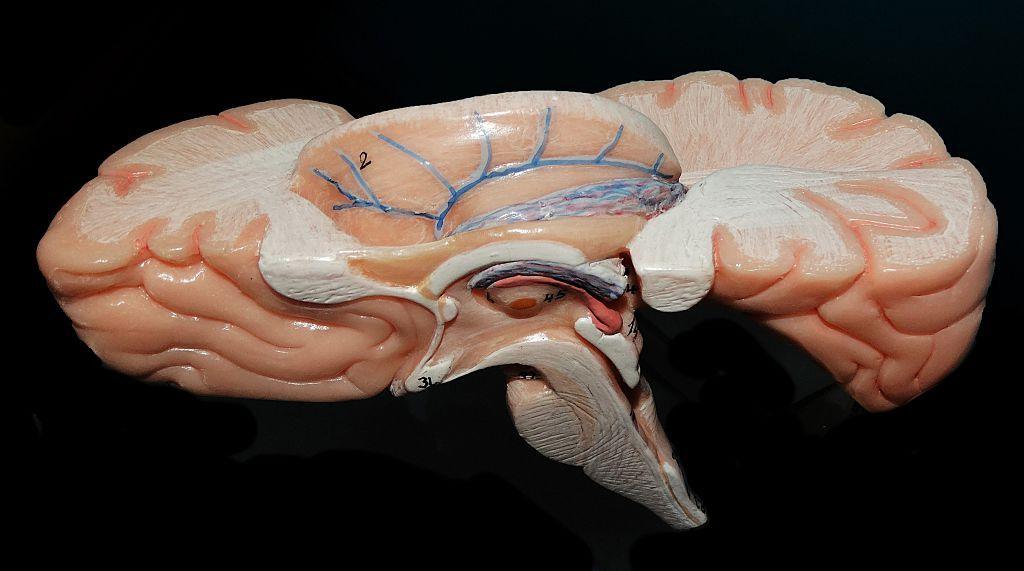
Dr. Leor Zmigrod, a neuroscientist at Cambridge University, delves into the complexities of ideology in her latest book, "The Ideological Brain: The Radical Science of Flexible Thinking." As political divisions grow sharper and more pronounced, Zmigrod offers a scientific perspective on how our brain wiring influences our perceptions and shares insights into why some individuals adopt rigid ideologies.
According to Zmigrod, ideology transcends mere stories; it serves as a structured narrative that dictates how the world operates and prescribes specific thoughts and actions. This rigidity, she asserts, can numb direct experiences, diminishing our capacity to adapt, critically assess evidence, and engage with differing viewpoints.
While some might find solace in the defined structure that ideologies provide, Zmigrod emphasizes that this phenomenon can be detrimental. By adhering to strict ideological rules, people may neglect nuanced understanding and critical thinking, which she argues are vital for moral living.
Through her research, Zmigrod illustrates that individuals entrenched in ideology often struggle with objectivity, serving as unreliable narrators of their experiences. As she points out, the cognitive ease of following pre-established patterns can overshadow the complexities of real-world interactions. In this sense, "The Ideological Brain" serves as a significant contribution to the understanding of how our brains shape—and sometimes distort—our grasp of reality in polarized times.
According to Zmigrod, ideology transcends mere stories; it serves as a structured narrative that dictates how the world operates and prescribes specific thoughts and actions. This rigidity, she asserts, can numb direct experiences, diminishing our capacity to adapt, critically assess evidence, and engage with differing viewpoints.
While some might find solace in the defined structure that ideologies provide, Zmigrod emphasizes that this phenomenon can be detrimental. By adhering to strict ideological rules, people may neglect nuanced understanding and critical thinking, which she argues are vital for moral living.
Through her research, Zmigrod illustrates that individuals entrenched in ideology often struggle with objectivity, serving as unreliable narrators of their experiences. As she points out, the cognitive ease of following pre-established patterns can overshadow the complexities of real-world interactions. In this sense, "The Ideological Brain" serves as a significant contribution to the understanding of how our brains shape—and sometimes distort—our grasp of reality in polarized times.