
In brief
Lahore faces an unprecedented smog crisis, with air quality indices soaring past hazardous levels. As city life halts, hospitals brace for a wave of respiratory issues, revealing the urgent need for sustainable pollution solutions.
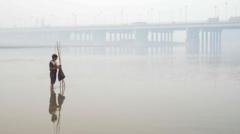
In Lahore, a thick cloud of smog has gripped the city, bringing life to a standstill and endangering the health of its 13 million residents. Experts note the air quality index has repeatedly surpassed 1,000 this month, with anything above 300 categorized as hazardous. The city is witnessing a surge in hospital admissions due to respiratory issues, especially among vulnerable groups like children and the elderly.The severe situation has prompted Pakistani officials to enforce stringent regulations, including a purported “green lockdown” that restricts vehicular movement in heavily polluted areas. Schools are closed, and industries are urged to minimize emissions, but experts argue that these are merely temporary measures. Notably, a recent ruling by the Lahore High Court mandates that markets close nightly by 8 PM, with complete closures on Sundays. Parks and zoos are also shut down until November 17, aiming to reduce public exposure to the toxic air. The problem, however, is expected to worsen, particularly with pollution typically peaking in late November and December, per NASA's predictions.Satellite imagery underscores the smog issue, revealing a nexus of fires—largely from stubble burning in neighboring India and Pakistan—which contributes significantly to the air quality crisis. NASA estimates around 15,500 to 18,500 agricultural fires this year, the highest in recent times. Pakistani authorities contend that nearly 30% of Lahore's pollution originates from India, prompting challenges in cross-border cooperation for effective solutions.In the meantime, Lahore's pollution is largely attributed to its staggering number of vehicles—over five million motorbikes and numerous cars—as well as industrial emissions from coal-fired brick kilns surrounding the city. According to environmental experts, many locations within Lahore have reported AQI readings that exceed 1,900, heightening concerns about public health amid the ongoing crisis.The dire air quality has led to health professionals like Dr. Irfan Malik witnessing an uptick in breathing-related ailments in hospitals. “We have not yet experienced a cold wave this winter, and the surge in respiratory cases is alarming,” he described, emphasizing the urgent need for lasting solutions rather than temporary fixes like school closures.Vulnerable people, such as children, face daily struggles with respiratory problems. Local resident Sadia Kashif expressed her frustrations, stating, “It’s painful to see my children cough and struggle to breathe.” Short-term efforts are being criticized for lacking impact, with calls for long-term strategies to combat this chronic issue.Efforts are in motion for cross-border dialogue on climate challenges, with Punjab Chief Minister Maryam Nawaz seeking cooperation from Indian officials to address the worsening environmental crisis affecting both regions. However, skepticism remains prevalent regarding effective policy implementation from both governments.As contaminants rise, the overarching sentiment emphasizes that both Pakistan and India must take immediate action to address pollution comprehensively. Experts like Abid Omar from the Pakistan’s Air Quality Initiative caution that without significant changes, the pollution levels are likely to continue increasing, severely affecting health and quality of life in densely populated cities like Lahore. Only time will tell if any meaningful progress will be made in the battle for cleaner air and a healthier future.
