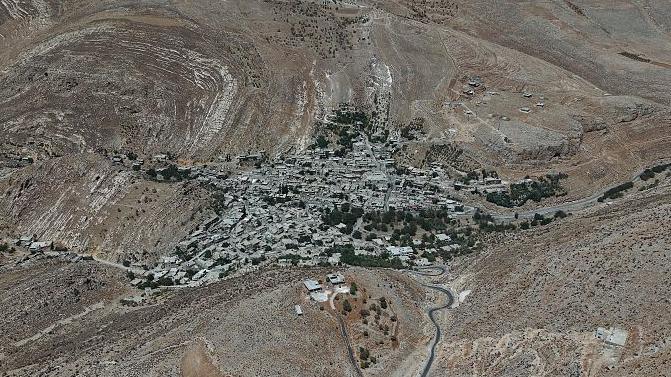
On Thursday, a wave of 30 pioneer families, many accompanied by military escorts, moved into the settlement of Kadim on the hill just outside the Palestinian city of Jenin. The settlers carried trailers filled with bedding, furniture and building material, turning the abandoned site into a new community.
The opening ceremony was attended by senior government officials, including Finance Minister Bezalel Smotrich who declared that the return to Kadim was a “correction” of a “crime” that occurred 21 years ago following the 2005 evacuation. Smotrich used the biblical name for northern West Bank, signalling the symbolic importance of the move to his political base.
Kadim was one of four settlements in the Jenin area that were abandoned in 2005 under the Disengagement Plan, deemed too isolated and costly to maintain by the previous Israeli government. The location had been sealed off by law for two decades until the new government overturned the ban.
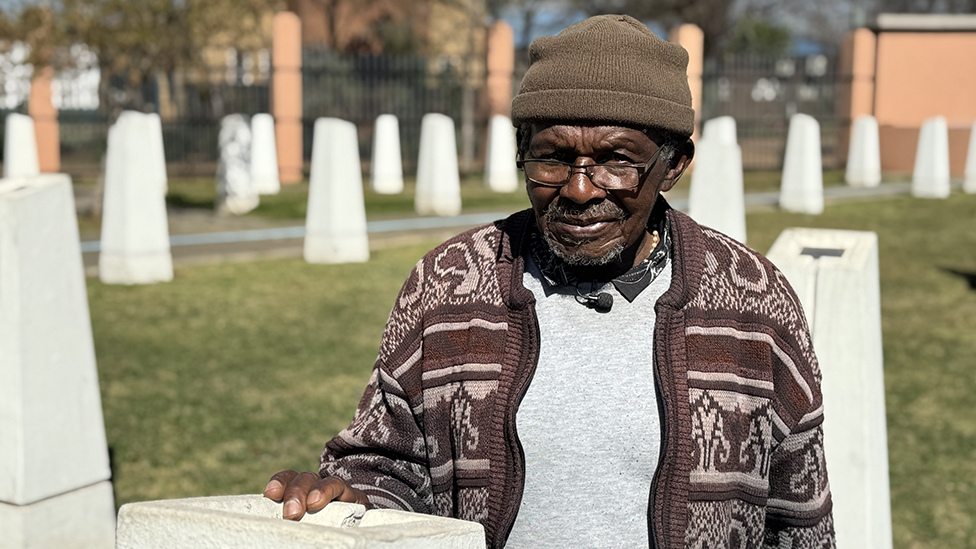
Local Palestinian residents attended the site via a dirt track and reported severe fear. One long‑time farmer recounted how he had witnessed the original construction of Kadim, a period where “we lived together peacefully.” Yet now the new settlers’ presence has caused him to see the area as a territory of “displacement and fear,” citing the demolition of his garden shops and warning against his family’s return.
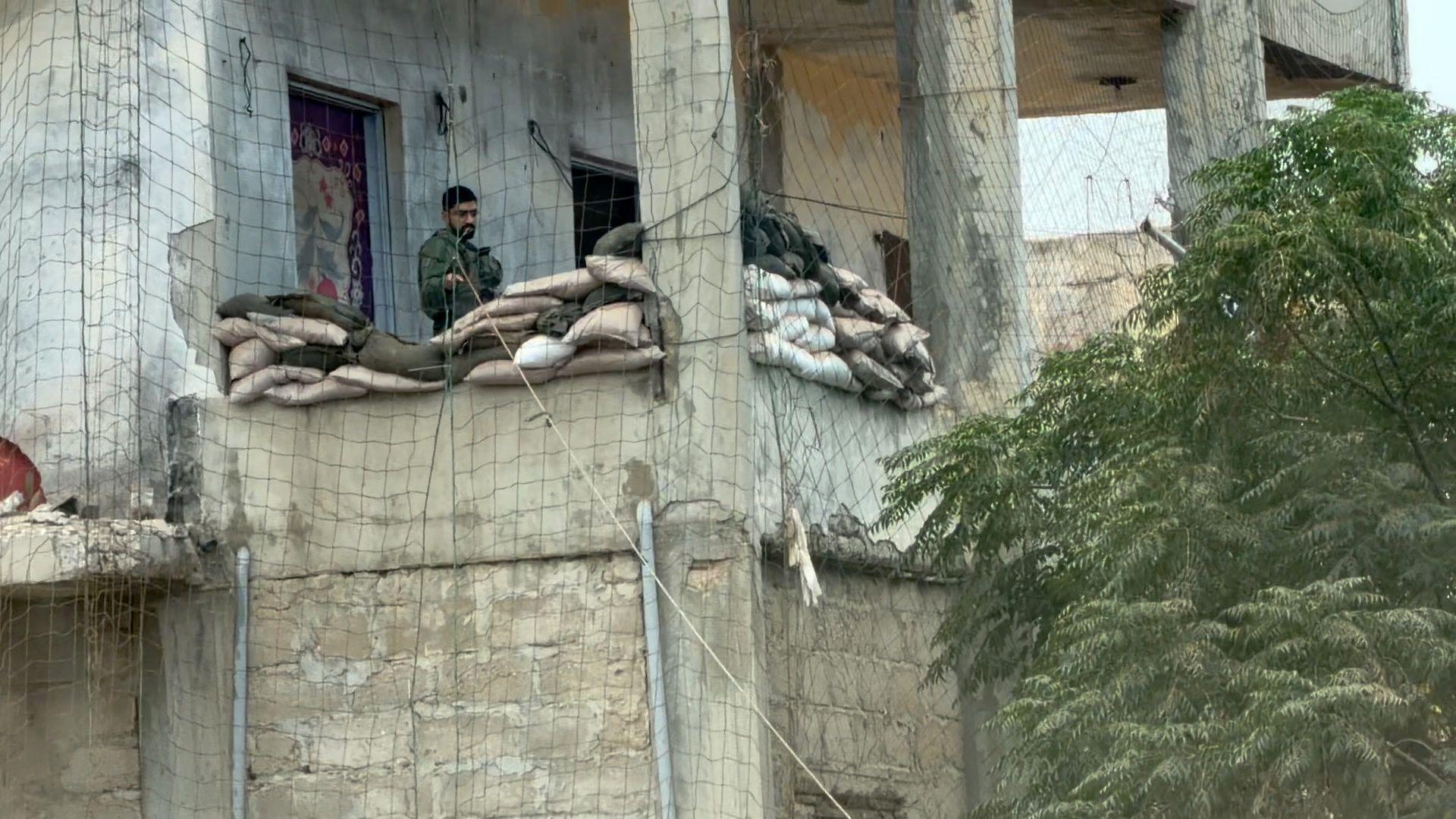
The settlement’s reopening occurs amid a broader strategy of the current Israeli administration to expand the West Bank. Since late 2022, more than 100 new settlements and 19 in the northern West Bank have opened, along with new military outposts and expanded roads that deepen segregation around cities such as Jenin. Treatises from experts note that such expansions flagrantly violate international law, and that under Israeli law many of these outposts receive state support.
Opposing view points argue that the new growth is aimed at enhancing national security. However, neighbors and civil-rights advocates cite the lack of adequate transportation, the continued bulldozing of farmland, and the increasing militarization as signs that the settlement project is a vehicle for further displacement.
As elections approach in October, critics argue that the speed and scale of settlement activity signals an attempt to harden a political advantage, rather than foster peace. Meanwhile, the inhabitants of Jenin seek resolution and preservation of their villages amidst this disruptive wave of policies and conflicts.