In brief
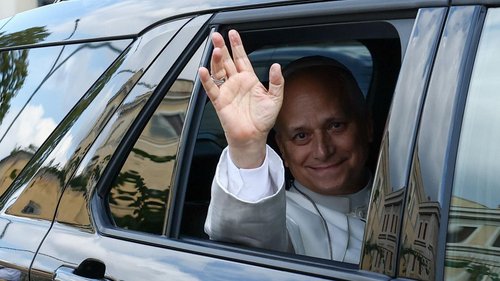
As the Vatican announces the passing of Pope Francis at the age of 88, the world is in a state of mourning, celebrating the legacy of a pontiff who embraced a compassionate and inclusive approach to leadership. Mourners flocked to St. Peter’s Square, emotions running high as tributes from global leaders poured in, underscoring the weight of his influence. East Timor's President José Ramos-Horta termed Francis' death the “greatest loss for humanity” at a time burdened by a lack of insightful and empathetic governance.
A report from the Vatican detailed that Pope Francis suffered a cerebral stroke, which led to a coma and ultimately an “irreversible cardiocirculatory collapse.” Remarkably, he remained dedicated to his responsibilities right up until the day before his demise, despite advice from medical professionals to slow down. While the date for his funeral remains undecided, the Vatican suggested a public viewing could occur as soon as tomorrow. Our Rome bureau chief, Jason Horowitz, encapsulated the essence of Pope Francis, characterizing him as “a pope of surprises.” He noted that while Francis made significant strides in guiding the church toward contemporary issues such as migration, environmental stewardship, and social equality, the global community may most keenly feel the absence of his voice advocating for such critical matters.