Kyushu Earthquake: Aftershocks, Rescues Amid City‑Wide Crisis
A 6.8‑magnitude earthquake struck Japan’s southwestern Kyushu region, unleashing more than a hundred aftershocks, and leaving at least 13 dead. The quake’s shallow epicentre—about 10 km deep—was roughly 20 km south of Kumamoto city.
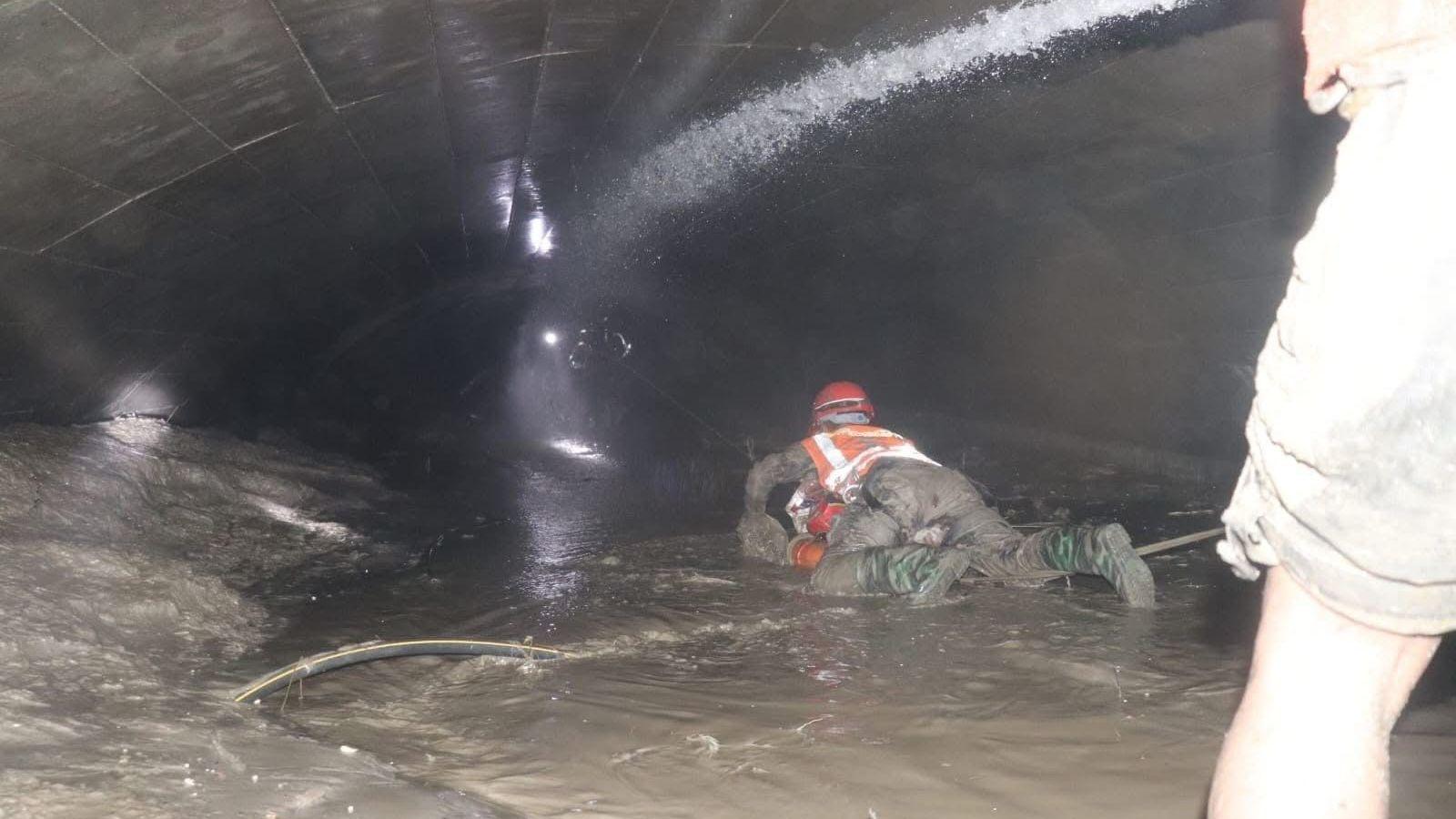
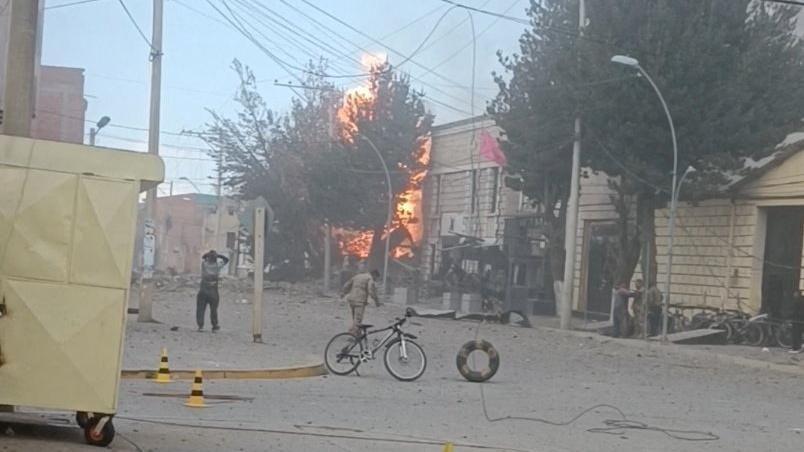
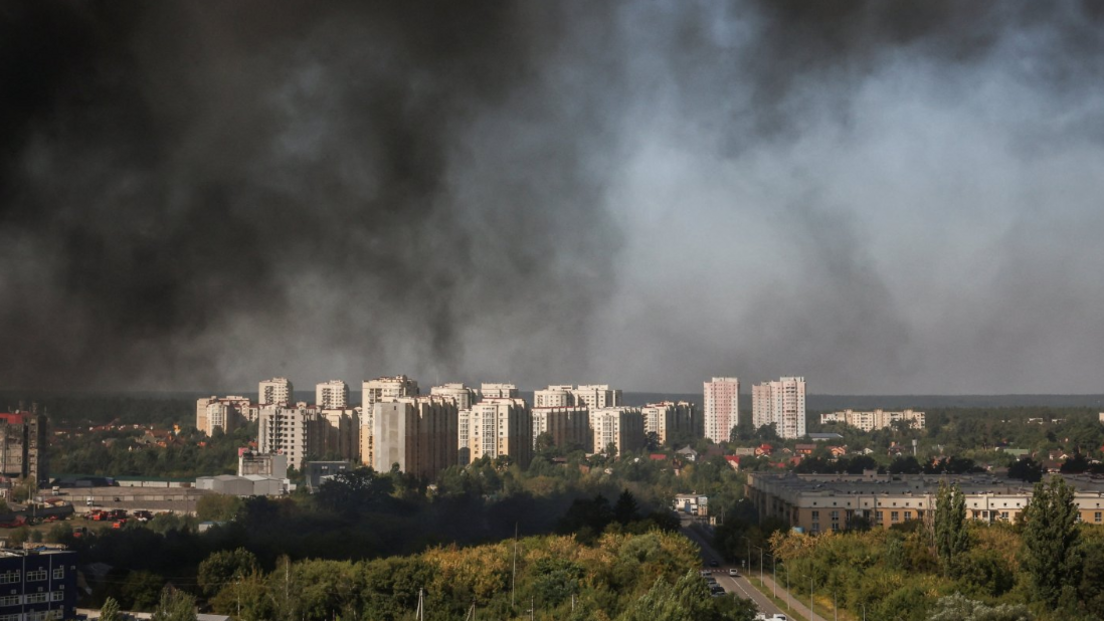
In the disaster’s aftermath, rescue crews are digging through rubble at the Aeon Mall in Kashima town, where an explosion in the first hour after the quake tore out part of the second floor, causing fire and smoke. Three employees have been confirmed dead, while six others are missing. The mall’s owner, Akio Yoshida, expressed his sorrow and pledged to aid the victims.
Prime Minister Sanae Takaichi called for a "race against time" to find survivors, noting that more than 4,600 personnel are deployed and that residents remain at risk of heatstroke, as temperatures reached about 35 °C (95 °F). He urged evacuees to use caution during cleanup. Defence Minister Shinjirō Koizumi announced that roughly 300 air conditioning units would be flown in to help those in the hardest‑hit areas.
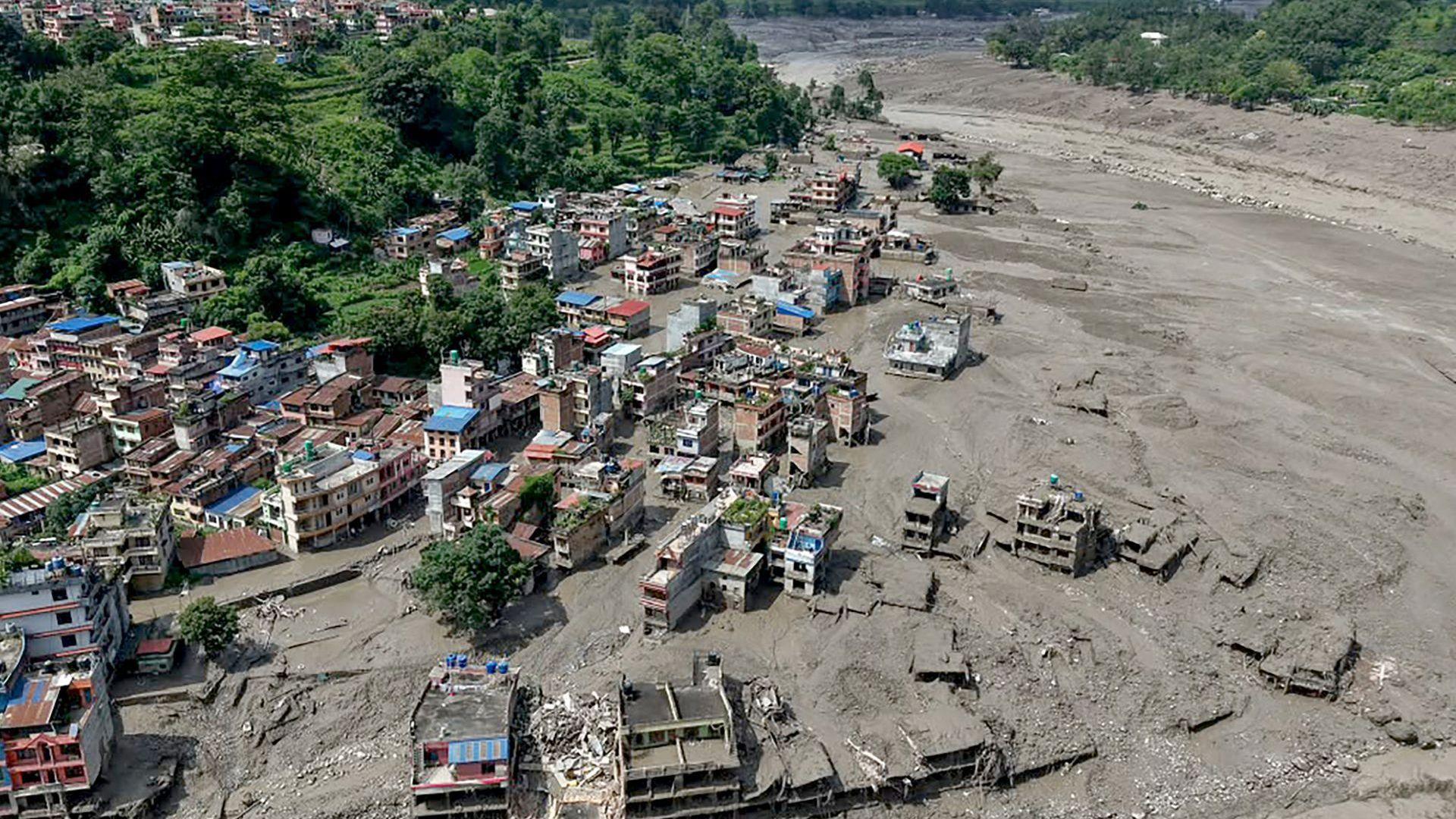
The Japan Meteorological Agency (JMA) warned that the next week could see earthquakes up to magnitude 7, and public broadcasters NHK and the US Geological Survey (USGS) are amplifying alerts. In Yatsushiro City, a factory has suffered heavy damage and resulted in at least two deaths, with nine people unaccounted for. Meanwhile, dozens of buildings across Kumamoto prefecture have collapsed, churches, temples and shopping centres lie in ruins, and train services are suspended.
Residents and tourists alike experienced the quake with sudden, violent shaking. "I thought I would die," recalled 75‑year‑old Hiroko Ogata, who was at her restaurant when the tremor hit. American tourist Chantel Mohar was on a tourist bus, while her family's phones were suddenly jolting with seismic alerts.
In sum, Japan’s Kyushu region is suffering a lengthy emergency, with aftershocks, rescues and potential secondary quakes continuing to test the nation’s preparedness. Relief supplies and medical aid are in progress, but the situation remains precarious.